Why Yesteryear Has Become One Of 2026’s Most Talked-About Novels
- Authored by: Girish Shukla
- Updated Aug 12, 2026, 14:55 IST
‘Yesteryear’ turns a tradwife fantasy into a cultural flashpoint, mixing time travel, satire and internet obsession while asking what happens when curated nostalgia collides with historical reality for readers today.
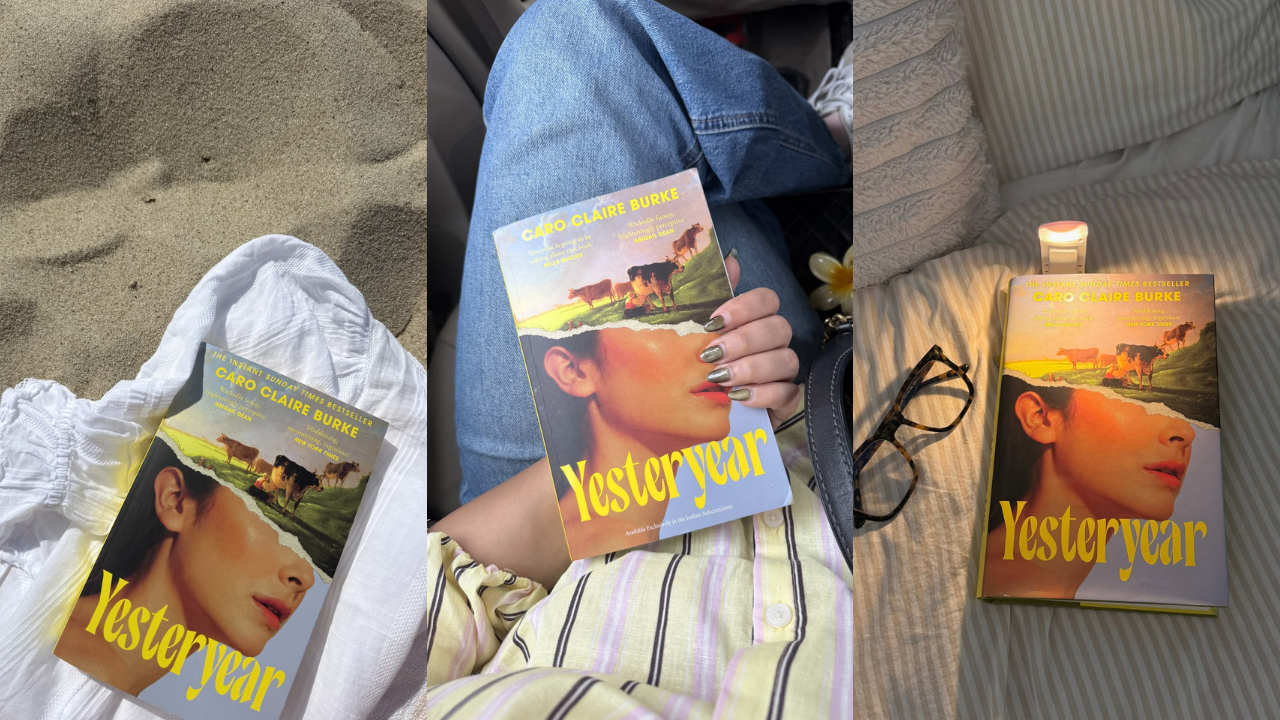
Why Yesteryear Is More Than Just Another Viral Novel (Picture Credit – Pinterest)
A novel about a tradwife influencer waking up in 1855 could easily have been little more than a clever high-concept satire. Caro Claire Burke’s ‘Yesteryear’ became something much harder to dismiss because it arrived while arguments about domesticity, femininity, online performance and nostalgia were already spilling far beyond social media. The book does not merely send a modern woman into the past. It forces her to confront the physical, social and emotional cost of the very life she has been selling as desirable.
A Premise Built For The Current Moment
Natalie has constructed an online empire from raw milk, domestic perfection, traditional femininity and a romanticised vision of the past. Burke then removes the modern conveniences that make that performance possible and forces her protagonist to confront the historical reality she has been selling to millions of followers. The joke is obvious, but the novel’s darker question is more interesting: how much of nostalgia survives once comfort, medicine, legal protection and personal autonomy disappear?
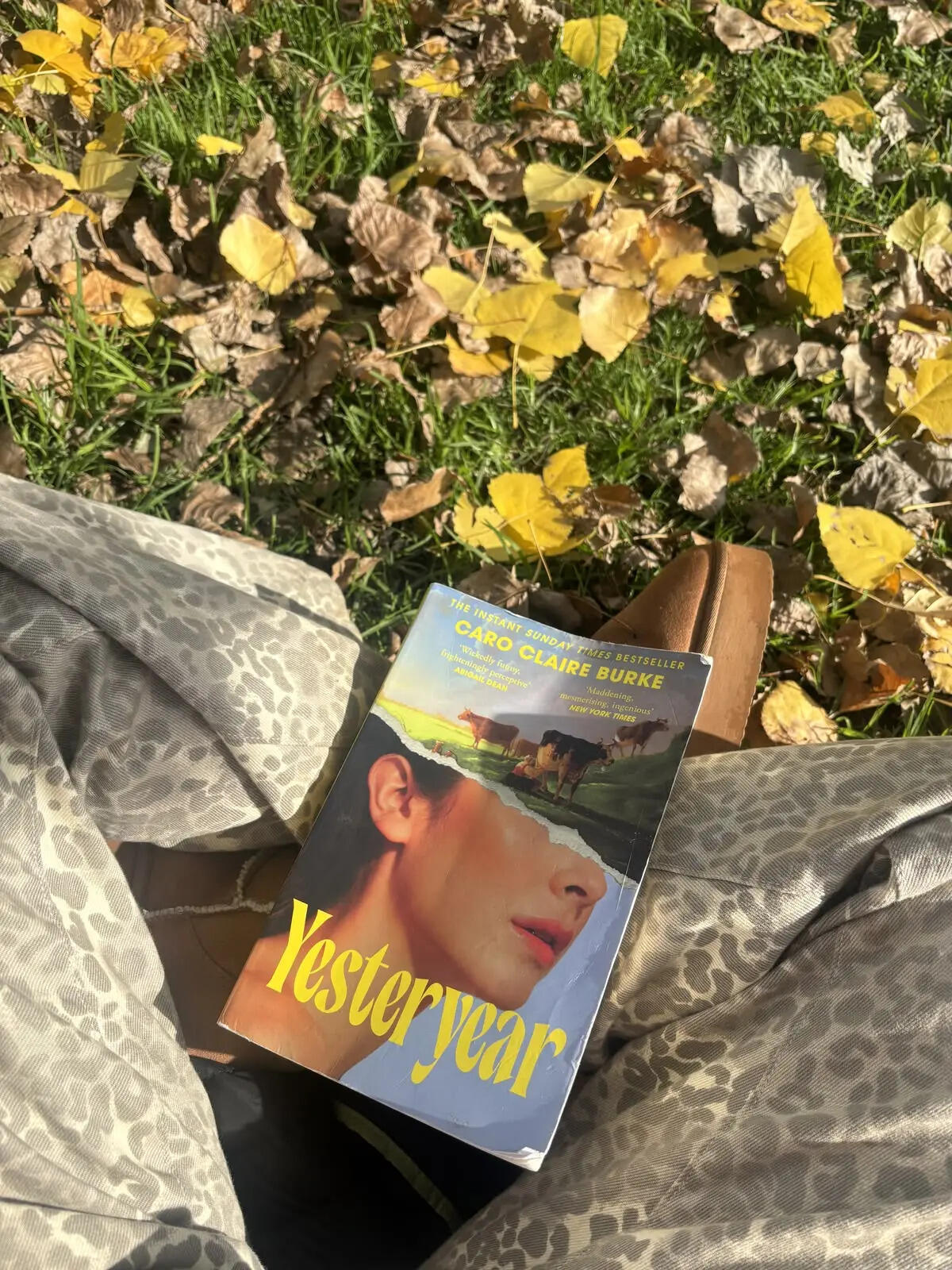
Yesteryear (Picture Credit – Pinterest)
That makes ‘Yesteryear’ unusually well timed. Tradwife culture has moved far beyond a niche social-media aesthetic and into wider conversations about motherhood, gender roles, domestic labour, politics and online identity. Burke has argued that the phenomenon is less an authentic return to the past than a carefully curated performance, often marketed to women exhausted by contemporary expectations. Her novel takes that performance seriously enough to ask what happens when the aesthetic becomes a life.
The Numbers Turned Buzz Into A Phenomenon
The publishing story surrounding ‘Yesteryear’ has been nearly as dramatic as the novel itself. The manuscript reportedly sold after a 12-way publishing auction, while the book has gone on to become a major commercial success and a fixture in bestseller conversations. Its selection as a ‘Good Morning America’ Book Club pick also gave Burke’s debut an unusually large mainstream platform.
Those figures matter because they show that the conversation is not being driven solely by critics or BookTok enthusiasm. ‘Yesteryear’ has crossed from online curiosity into a genuine commercial phenomenon, becoming one of the clearest examples this year of a novel capturing an argument already happening outside literature. The book’s success has also helped fuel a wider publishing rush towards fiction about tradwives and idealised domesticity.
Anne Hathaway Changed The Conversation Again
Hollywood arrived before the literary conversation had even settled. Amazon MGM acquired adaptation rights, with Anne Hathaway attached to star as Natalie and produce through her company Somewhere Pictures. Burke also remains involved with the adaptation, ensuring that the transition from page to screen is closely tied to the world she created.

Anne Hathaway (Picture Credit – Instagram)
The film deal added another layer of fascination because Natalie is exactly the kind of character who invites performance. She is polished, intelligent, manipulative and capable of selling an ideal she may not fully believe herself. Translating that contradiction to screen could make ‘Yesteryear’ even more culturally visible, but it also raises the difficult question of whether the novel’s satire can survive the glamour of a major adaptation.
Readers Cannot Quite Agree On Natalie
Part of the book’s staying power comes from the fact that Natalie is difficult to place neatly inside familiar categories. She can be cruel, calculating and deeply self-serving, yet she is also trapped within expectations she has helped promote. Critics have compared her to figures such as Becky Sharp and Amy Dunne, which captures something essential about Burke’s strategy.
The novel does not ask readers simply to like or condemn her. Instead, it asks what happens when identity becomes a brand and belief becomes content, particularly when millions of people are watching. That discomfort has kept the book alive in conversations long after its initial release.
Why Yesteryear Keeps Growing
The most successful novels often arrive at the precise moment when culture needs a fictional language for something it cannot stop arguing about. ‘Yesteryear‘ has found that moment in the tension between modern exhaustion and nostalgia for supposedly simpler lives. Its achievement is not that it tells readers whether traditional domesticity is good or bad, but that it examines what happens when history is reduced to an aesthetic.
That may be why the book has travelled so far beyond its original premise. Beneath the time travel, satire and social-media spectacle sits a much older literary question about the stories people tell themselves in order to make their lives feel coherent. Yesteryear simply asks what happens when one of those stories becomes real, and there is nowhere left to hide from it.
Latest News


Seasoned Editor and Author with over a decade of experience in literary journalism, author interviews, and publishing trends. Known for curating impac… View More
Original source: https://www.timesnownews.com/lifestyle