Surya Grahan 2026 Today: Will the Total Solar Eclipse Be Visible in India? Check Timing And Sutak Kaal
- Authored by: TN Lifestyle Desk
- Updated Aug 12, 2026, 11:49 IST
The year’s final solar eclipse arrives under a rare planetary alignment, bringing together astronomy, astrology and age-old beliefs. Here’s what the Surya Grahan means for India and what to expect tonight.
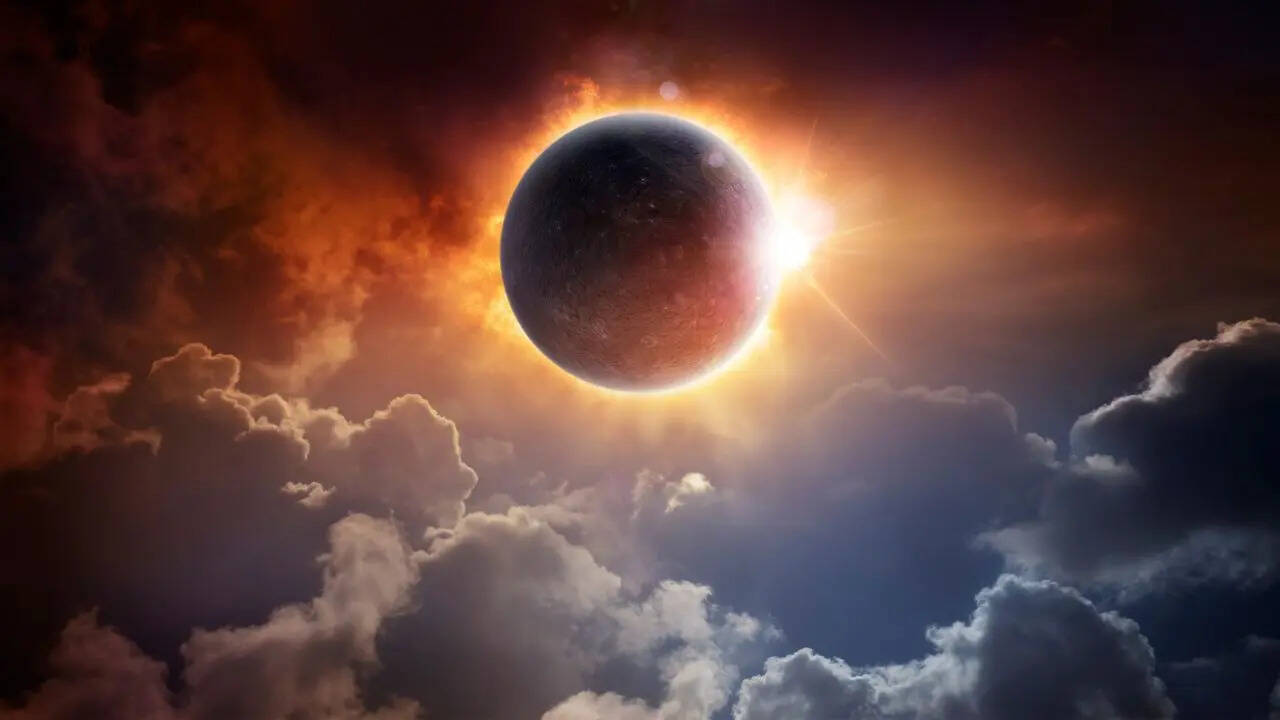
Solar eclipse 2026: The second and final solar eclipse of the year will take place on August 12. (Photo: iStock)
The second and last solar eclipse or surya grahan of 2026 is set to take place tonight. What makes solar eclipse a significant event is that it’s viewed through both science and astrology. In every community and belief system, Sun plays a major role, and hence solar eclipse is important. This time, a total solar eclipse will take place from tonight, August 12, into the early hours of August 13. The eclipse is considered significant from an astrological perspective as well. This time, the eclipse will occur in Cancer and in the Shatabhisha nakshatra. But will this solar eclipse have an impact on India?
What time will surya grahan or solar eclipse begin?
According to Indian Standard Time, the solar eclipse will begin at 9:04 pm tonight. It will reach its maximum phase at 11:16 pm and end at 1:27 am. The eclipse will last for a total of 4 hours and 24 minutes.
What is a total solar eclipse?
A special celestial spectacle will occur at around 10:29 pm tonight, when the Moon will cover nearly 90 per cent of the Sun. However, people in India will not be able to see this phenomenon in the sky.
“A total solar eclipse happens when the Moon passes between the Sun and Earth, completely blocking the face of the Sun. People located in the center of the Moon’s shadow when it hits Earth will experience a total eclipse. The sky will darken, as if it were dawn or dusk,” states NASA.
Will Sutak Kaal be observed in India?
“Certain inauspicious time before Surya Grahan and Chandra Grahan is known as Sutak. According to Hindu beliefs, the Earth atmosphere is contaminated during Sutak and extra precautions should be taken to avoid any harmful side effects due to contamination,” states Drik Panchang.
It also add, “All type of food items either solid or liquid are prohibited during Sutak and Eclipse. Hence one should not eat during twelve hours before Solar Eclipse and during nine hours before Lunar Eclipse till Eclipse is over. However for children, sick and old people food limitation is restricted to only single Prahar or 3 hours.”
This solar eclipse will not be visible in India. According to Hindu scriptures, the effects of an eclipse are considered only in places where it can be seen. Therefore, the Sutak Kaal associated with this eclipse will not be observed in India.
This means temples will not need to close, normal eating and drinking routines can continue, and there will be no need to follow any special restrictions. Pregnant women also do not need to worry about the eclipse.
Special influence of Jupiter and Saturn during the solar eclipse
According to astrologers, at the time of the eclipse, Jupiter, the Devguru, will be in an ascending position in Cancer, while Saturn will remain retrograde in Pisces. This rare planetary alignment is believed to have a significant impact on the country, the world and all zodiac signs.
In astrology, a solar eclipse is considered a major astronomical and astrological event in its own right. On one hand, Jupiter’s rise is seen as a sign of auspiciousness and renewed energy. On the other, Saturn’s retrograde motion is associated with discipline, hard work and caution.
Disclaimer: This article is based on popular beliefs. Times Now is not responsible for the accuracy or completeness of the information and facts provided here.
Latest News


Professionals & enthusiasts who write about lifestyle and health in all their vibrancy.
Original source: https://www.timesnownews.com/delhi
