Why Pakistan Celebrates Independence Day Before India? The Surprising History Behind The One-Day Gap
- Authored by: Simran Sukhnani
- Updated Aug 14, 2026, 13:04 IST
India and Pakistan emerged from the same 1947 Partition, yet celebrate Independence Day on different dates. Here’s the surprising historical, political and administrative reason behind the one-day gap.
Why Pakistan Celebrates Independence Day One Day Before India
The midnight of August 14, 1947 marked the independence of British India into two separate countries, India and Pakistan. The Indian Independence Act marked an end to 200 years of British colonialism and came into being birthing the two nations. “As from the fifteenth day of August, nineteen hundred and forty-seven, two independent Dominions shall be set up in India, to be known respectively as India and Pakistan,” the Act states.
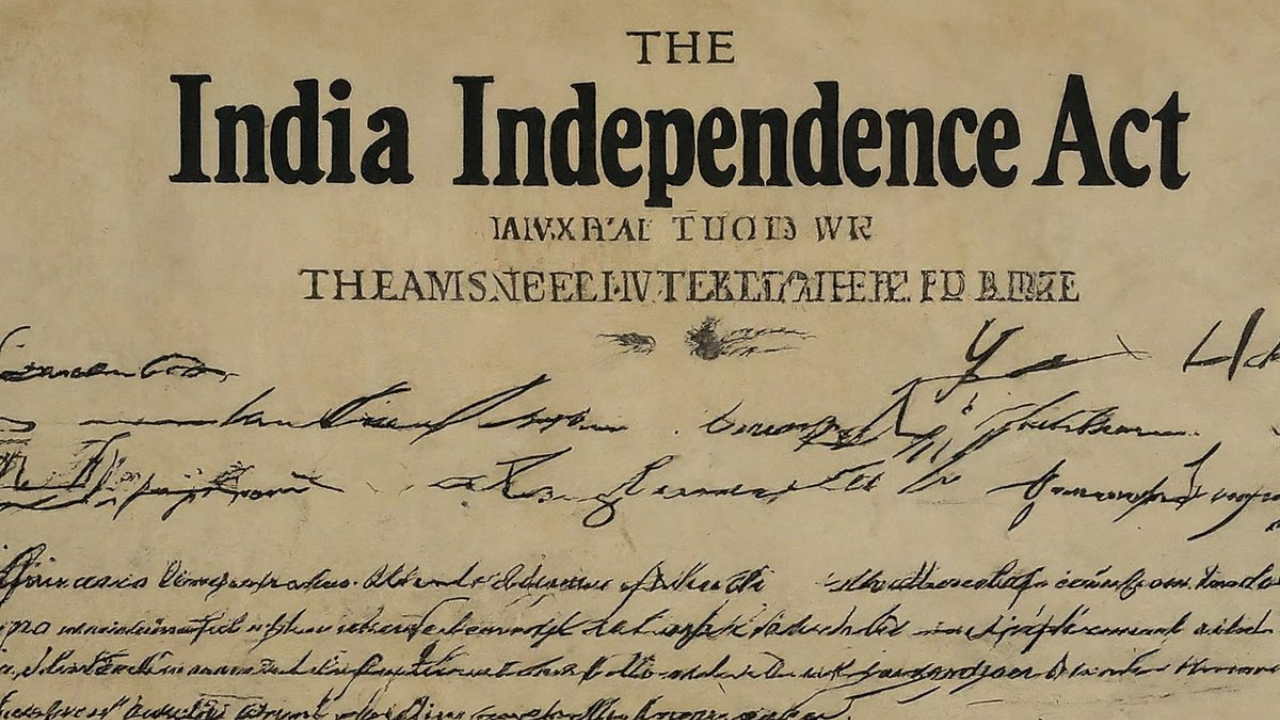
The India Independence Act 1947 (Credits: X)
Why Does Pakistan Celebrate Independence Day On August 14th?
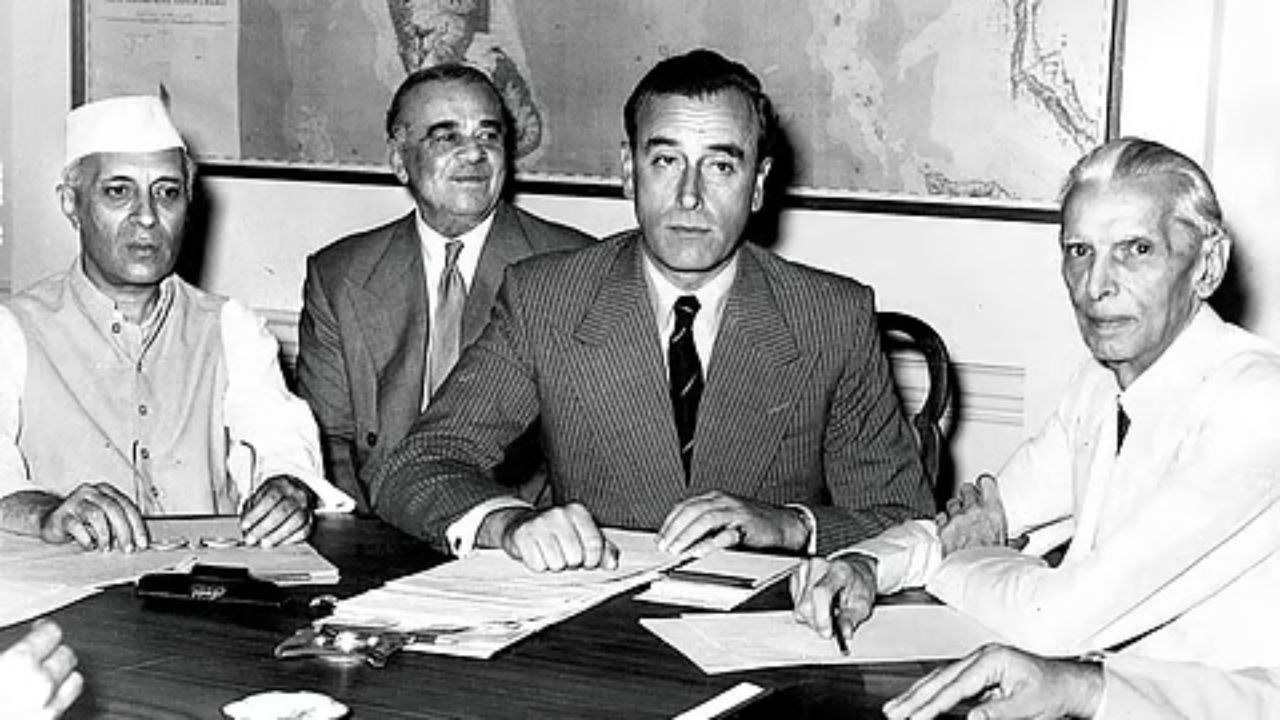
But an interesting thing to notice here is that, Pakistan celebrates its Independence Day one day before India. Our country’s Independence day is celebrated on August 15, meanwhile Pakistan celebrates it on August 14th, a day prior. According to historical records, it all came down to the schedule of Lord Mountbatten, who was the last viceroy of British India. As India decided upon holding the celebrations at the midnight of August 14, it would have not been possible for Lord Mountbatten to attend Pakistan’s event also the same day and hand over the power. Thus, it was agreed upon that the transfer of power of the former capital of Pakistan to the country’s founding father Muhammad Ali Jinnah would happen at the Constituent Assembly on August 14.
Read More: For Gen Z, What Does Freedom Really Mean?
Initially Pakistan also agreed upon celebrating its Independence day on the 15th of August, however, by 1948, Pakistan had shifted its official Independence Day celebrations to August 14. The date also carried religious significance in 1947, as August 14 coincided with the 27th day of Ramadan.
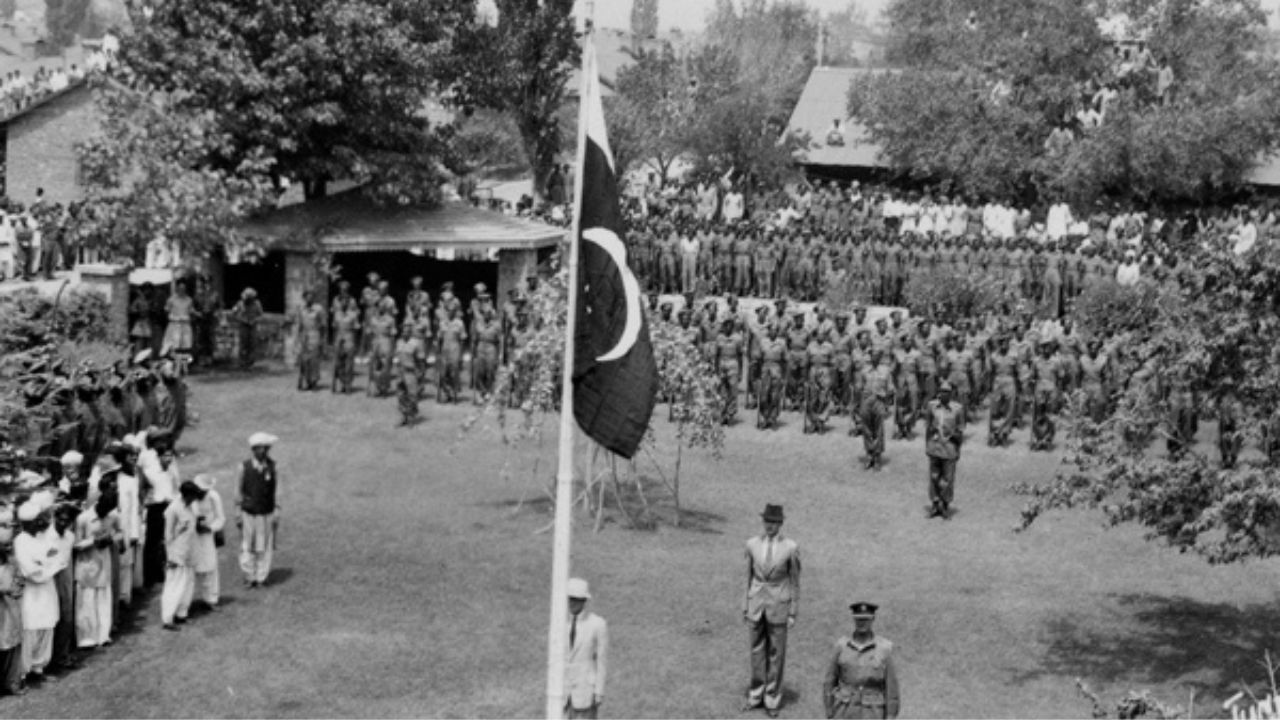
Pakistan Independence Day 1947 (Credits: National Army Museum)
Lord Mountbatten said in his speech in Pakistan, “Tomorrow the government of the new dominion of Pakistan will rest in your hands. Tomorrow two new sovereign states will take their place in the Commonwealth. Not young nations, but the heirs to old and proud civilisations, fully independent states, whose leaders and statesmen, already known and respected throughout the world; whose poets and philosophers, scientists and warriors, have made their imperishable contribution to the service of mankind.”
The next day, Lord Mounbatten travelled back to Independent India, where the first prime minister Jawaharlal Nehru, made his famed Tryst with Destiny speech at the stroke of midnight above the Lahori Gate of the Red Fort in Delhi. “Long years ago, we made a tryst with destiny, and now the time comes when we shall redeem our pledge, not wholly or in full measure, but very substantially,” he said. “At the stroke of the midnight hour, when the world sleeps, India will awake to life and freedom.”
So, Can One Say That Pakistan Gained Independence Before India?
That is not exactly true as the Indian Independence Act was designated on August 15, 1947 and this was chosen to be the appointed day for both India and Pakistan. The difference of the one day exists in the official ceremonies because of the result of the schedule required for the transfer of power.
The date, August 15th, was selected by Lord Mountbatten as the deadline for the transfer of power after the original plan had envisaged British withdrawal by June 1948. But due to growing communal violence and the deteriorating law and order, Mountbatten decided to pre-pone the transfer of power and bring it to August 1947. Mountbatten later said he had chosen August 15 partly because it marked the second anniversary of Japan’s surrender in World War II.
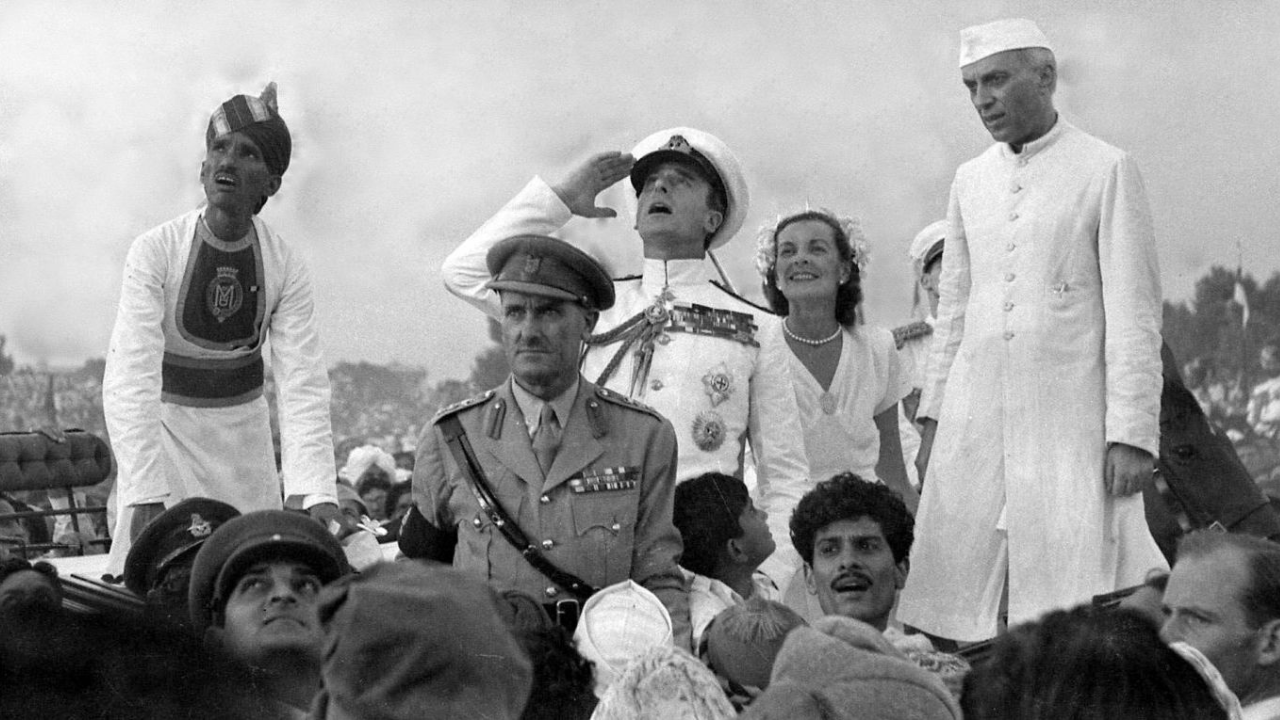
Independence Day 1947 (Credits: National Army Museum)
Today, India and Pakistan mark their national days on separate dates, even though both commemorate the same historic turning point in August 1947. The end of British colonial rule and the Partition of the subcontinent gave birth to two independent nations, each choosing a different day to celebrate its sovereignty.
About eight decades later, the two dates reflect the distinct national identities that emerged from a shared and deeply complex history. Despite the difference in celebrations, both remain connected to one of the most significant moments in South Asian history.
Latest News


Simran covers books that start conversations, beauty insights, fashion moods, and stories that make people feel something. Off duty? You’ll find her c… View More
Original source: https://www.timesnownews.com/lifestyle