Why Vaginal Yeast Infections Spike During Monsoon: Are Gynecologists Seeing More Cases?
- Authored by: Simran Sukhnani
- Updated Aug 14, 2026, 19:00 IST
Gynecologists often notice more vaginal itching and discharge during monsoon. Expert gynecologist explains how humidity, damp clothing, diabetes, antibiotics and pregnancy may increase the risk of yeast infections.
Vaginal yeast infection during monsoon (Credits: Canva)
Every monsoon, search trends for ‘vaginal itching,’ ‘yeast infection symptoms,’ and ‘white discharge treatment’ tend to rise. Gynecologists say they do notice a seasonal pattern in clinic visits, but the explanation is more complicated than simply blaming the rain. To understand what is really happening, we spoke with Dr. Gaana Sreenivas, Obstetrician & Gynecologist at Bone and Birth Clinic and Rainbow Hospital, Bannerghatta Road.
Are gynecologists actually seeing more yeast infection cases during monsoon?
“Yes, many gynecologists do see more women presenting with vaginal itching, irritation and discharge during the rainy season,” says Dr. Sreenivas. However, she cautions against assuming that every episode of itching or discharge is automatically a yeast infection. What doctors are observing is a clinical trend, not a scientifically proven India-wide seasonal epidemic. Increased humidity, sweating and staying in damp clothes for long periods can create conditions that favour Candida overgrowth in women who are already susceptible.
Why does monsoon make the intimate area more vulnerable?
According to Dr. Sreenivas, humidity and prolonged moisture are the key factors. Wet underwear, leggings, jeans, gym wear or clothes soaked during a commute can keep the vulval area warm and damp, reducing ventilation and allowing irritation to persist for hours. “Moisture alone does not cause a yeast infection,” she explains. “Candida is normally present in the body. Infection develops when the local vaginal environment and other host factors allow it to multiply excessively.”
This distinction is important because many women assume that getting caught in the rain directly causes an infection, which is not medically accurate.
Yeast infection (Credits: Canva)
Is there any research supporting a seasonal connection?
While India lacks strong nationwide data linking monsoon weather specifically to vulvovaginal candidiasis, international studies suggest that fungal vaginal infections may be more common in warmer months. Dr. Sreenivas points to a 10-year laboratory-based study from Belgium, which found that vaginal Candida was slightly more common during summer than winter. Another large international study reported that vulvovaginal candidiasis rates were highest during summer months.
What is missing, she says, is robust Indian research showing a definite monsoon-associated spike, so doctors should describe the pattern as an observed increase in symptoms and consultations rather than a confirmed seasonal disease surge.
Who is most at risk during the rainy season?
The women who tend to experience more problems are not defined by their profession alone, but by how long they remain in wet or sweaty clothing. Dr. Sreenivas says the following groups should be particularly careful:
- Gym-goers who stay in workout clothes after exercise
- Office commuters who spend hours in damp clothing after getting caught in the rain
- Students who remain in wet uniforms or jeans for prolonged periods
- Women with poorly controlled diabetes
- Pregnant women
- Women who have recently taken antibiotics
- Those with recurrent yeast infections
“Underlying medical factors are often more important than the occupation itself,” she notes. “Moisture exposure combined with individual susceptibility is what increases the risk.”
How can you tell a yeast infection from ordinary sweat irritation?
This is where self-diagnosis often goes wrong. Typical yeast infection signs include:
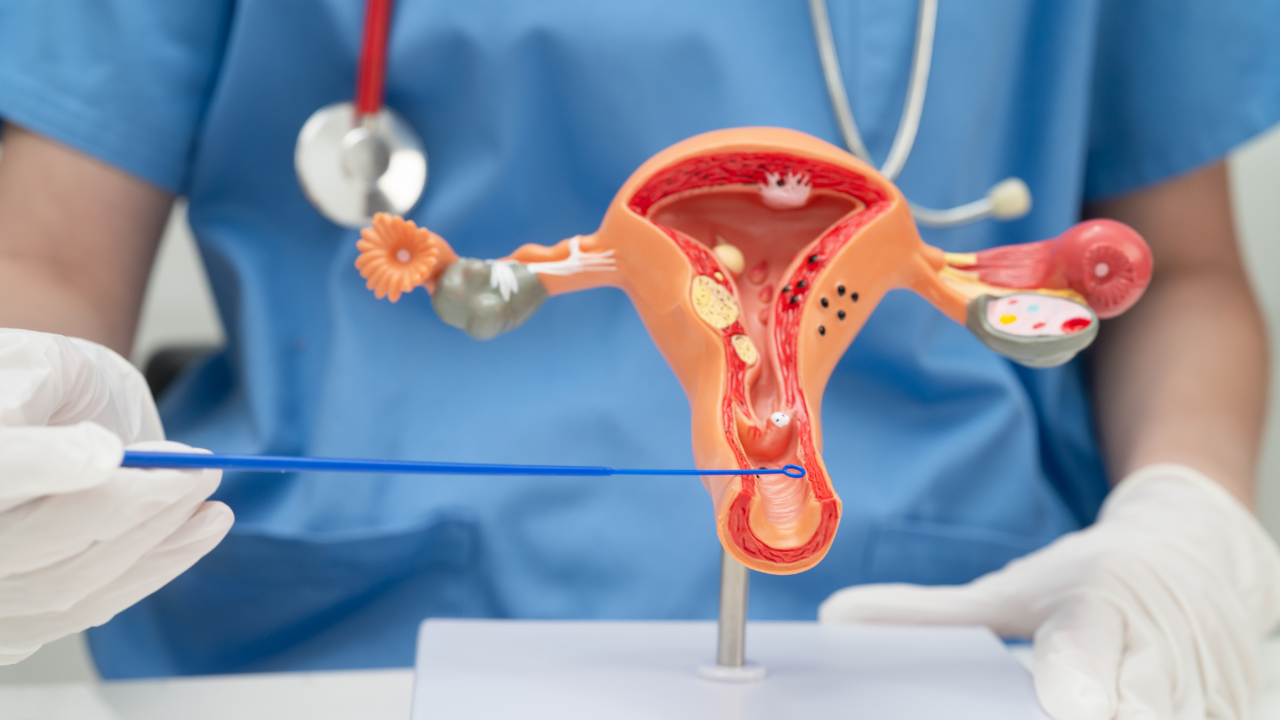
Vaginal yeast infection (Credits: Canva)
- Intense itching
- Burning or soreness around the vulva
- Redness and swelling
- A thick, white, curd-like discharge that usually does not have a strong odour
In contrast, heat or sweat irritation is more likely to cause external redness, burning, chafing or a prickly sensation without the characteristic vaginal discharge. Dr. Sreenivas warns that symptoms overlap with bacterial vaginosis, contact dermatitis and other forms of vaginitis. A South Indian study found that itching or discharge alone were poor predictors of confirmed candidiasis, which is why repeated self-treatment with over-the-counter antifungal creams can sometimes delay the correct diagnosis.
What should women do during monsoon?
The simplest preventive steps are often the most effective:
- Change out of wet clothes as soon as possible
- Wear cotton underwear
- Avoid tight, non-breathable clothing for long hours
- Dry the genital area gently after bathing or sweating
- Keep blood sugar under control if you have diabetes
- Avoid using fragranced intimate washes or harsh soaps that can irritate the vulval skin
The takeaway? Monsoon may not officially be ‘yeast infection season,’ but the combination of humidity, sweating, damp clothing and underlying health conditions can make many women more vulnerable to symptoms that deserve attention. If the itching is severe, the discharge is unusual, or the problem keeps returning, the safest approach is to see a gynecologist rather than treating it as just another rainy-season annoyance.
Latest News


Simran covers books that start conversations, beauty insights, fashion moods, and stories that make people feel something. Off duty? You’ll find her c… View More
Original source: https://www.timesnownews.com/lifestyle