Sashiko Is Having A Moment! How Japan’s Traditional Stitching Method Became A Global Style Trend
- Authored by: Akanksha Arora
- Updated Aug 17, 2026, 13:27 IST
A once-humble mending technique from Japan’s farming villages is now showing up on Paris runways, luxury denim, and sneaker collaborations – proof that slow, handmade craft is fashion’s new obsession.
Sashiko Is Having A Moment. (Image: Pinterest)
Walk into any fashion-forward store right now and you will spot it: small white running stitches on indigo denim, geometric patterns marching across a jacket back, patchwork panels that look mended on purpose. This is sashiko, a centuries-old Japanese hand-stitching technique – and it has taken over global fashion.
What Exactly Is Sashiko?
Sashiko literally means “little stabs.” It started in rural Japan hundreds of years ago, in farming and fishing villages, where fabric was scarce and expensive. Families used simple running stitches, usually white thread on indigo-dyed cotton, to reinforce worn clothing and add extra layers of warmth. Nothing was thrown away. Old cloth was patched onto old cloth, stitched together in straight lines and folk patterns.
The patterns in itself carries a meaning. Wave shapes stand for strength, since water always finds a way through. Zigzag lines were believed to protect the wearer from harm. A grid that looks like rice grains symbolized a wish for a good harvest and a full stomach. So sashiko was never just decoration. It was function and thrift.
This close cousin of sashiko is called boro, which is the patchwork itself. As a part of this, layers of mismatched indigo fabric are held together by rows of hand stitching. Boro jackets, which were once worn only because people could not afford new clothes, are now displayed in museums and sold at high prices to collectors around the world.
From Mending Cloth To Making Headlines
So how exactly did a poverty-era craft end up on runways and in sneaker collaborations? The shift has been building for years, but it has also accelerated recently as fashion turns away from fast and disposable clothing.
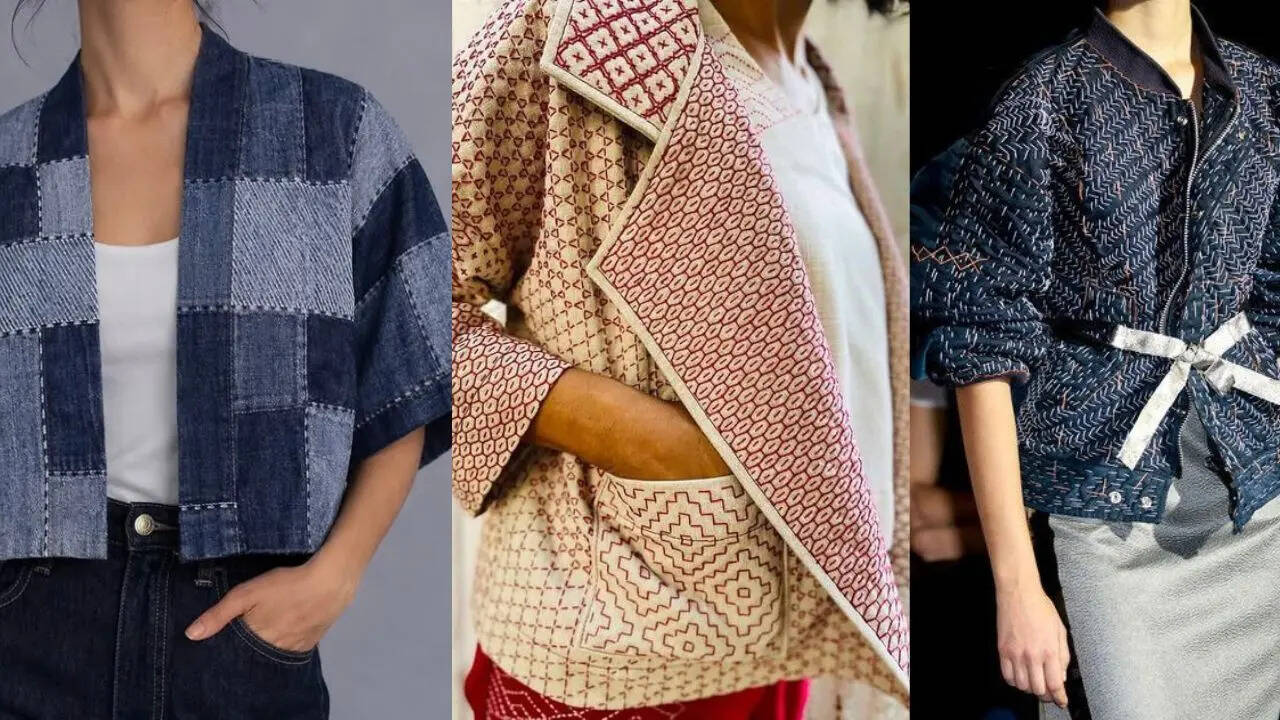
Sashiko Is Having A Moment. (Image: Pinterest)
Junya Watanabe is the designer most associated with bringing boro and sashiko-style patchwork to the international stage. His Paris runway shows have repeatedly used patched, mended-looking denim and layered indigo cloth, treating the “beauty of things that are mended” as a serious design language rather than a nostalgic reference. Other Japanese labels, like Kapital and Visvim, have built entire brand identities around this artisanal, worn-in look, selling sashiko-stitched jeans and jackets that can cost hundreds or even thousands of dollars.
The trend, ever since then, has spread far beyond denim brands. In Tokyo, a collective called Sashiko Gals recently hand-embroidered a limited run of New Balance 993 sneakers with geometric and botanical sashiko patterns for a hotel installation, turning sportswear into wearable craft pieces. On social media, home sewers are covering worn knees and elbows with visible sashiko stitching instead of hiding the damage, and calling it a style choice. Fashion forecasts for this year also keep pointing to the same idea. The visible mending, kintsugi-style repair and hand stitching as decoration are becoming a real movement, not a niche hobby. Sewing and craft communities describe it as part of a bigger shift toward slow fashion, where people want pieces that show effort, story, and time.
Why Now?
A big part of sashiko’s appeal today is what it stands against. Fast fashion floods stores with cheap, quickly made clothes that fall apart within a season. Sashiko is completely the opposite of that. Every stitch is done by hand, slowly, often over hours. Choosing a sashiko piece, or even stitching one yourself, feels like a small protest against the usual throwaway culture.
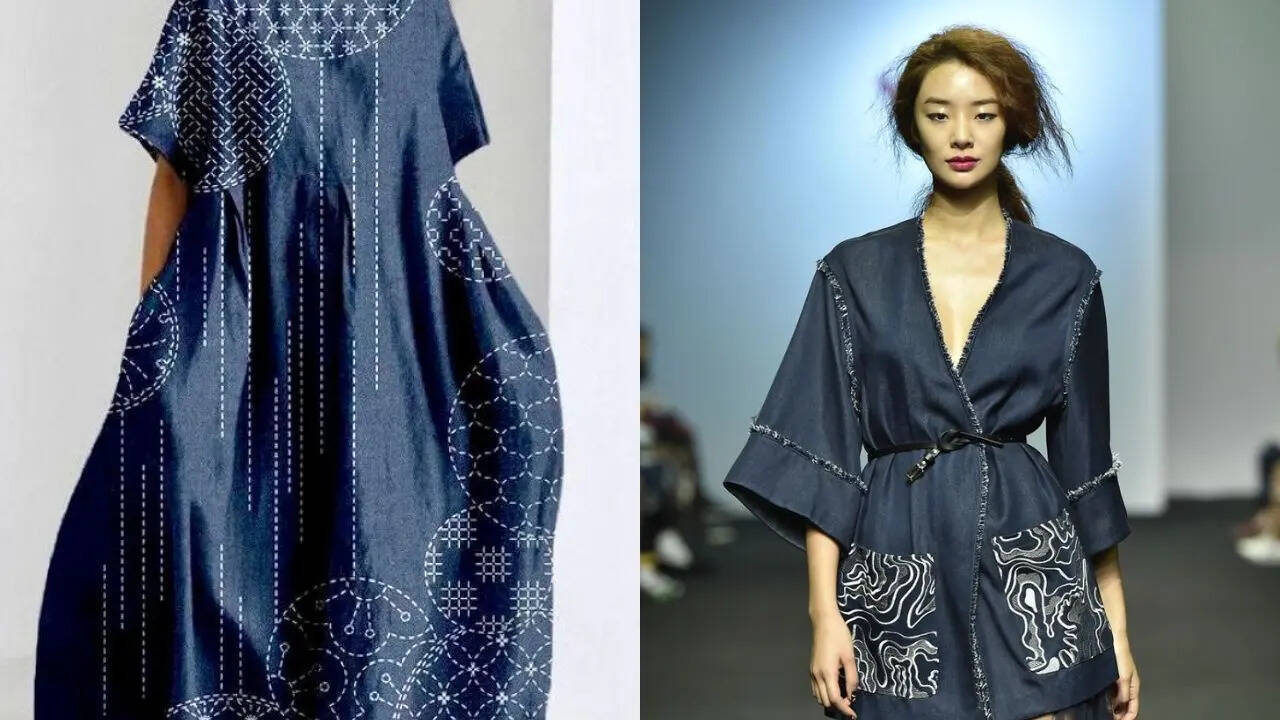
Sashiko Is Having A Moment. (Image: Pinterest)
There is also a growing appetite for craftsmanship people can actually see and touch. A sashiko-stitched jacket does not hide its construction. The thread work is the main point. In a wardrobe full of similar-looking basics, that texture stands out.
Basically, Sashiko began as a way to make worn cloth last a little longer. Today it stands for something bigger: patience, repair, and clothes made to be kept, not tossed.
Latest News


Senior Copy Editor at Times Network, Akanksha Arora covers Lifestyle, Culture and everything that falls under its big umbrella. When not writing, she … View More
Original source: https://www.timesnownews.com/lifestyle