Iran’s Hardline Shift: Ex-IRGC Chief Mohsen Rezaei Takes Top Security Post Amid Hormuz Talks
- Authored by: Yuvraj Tyagi
- Updated Aug 10, 2026, 07:40 IST
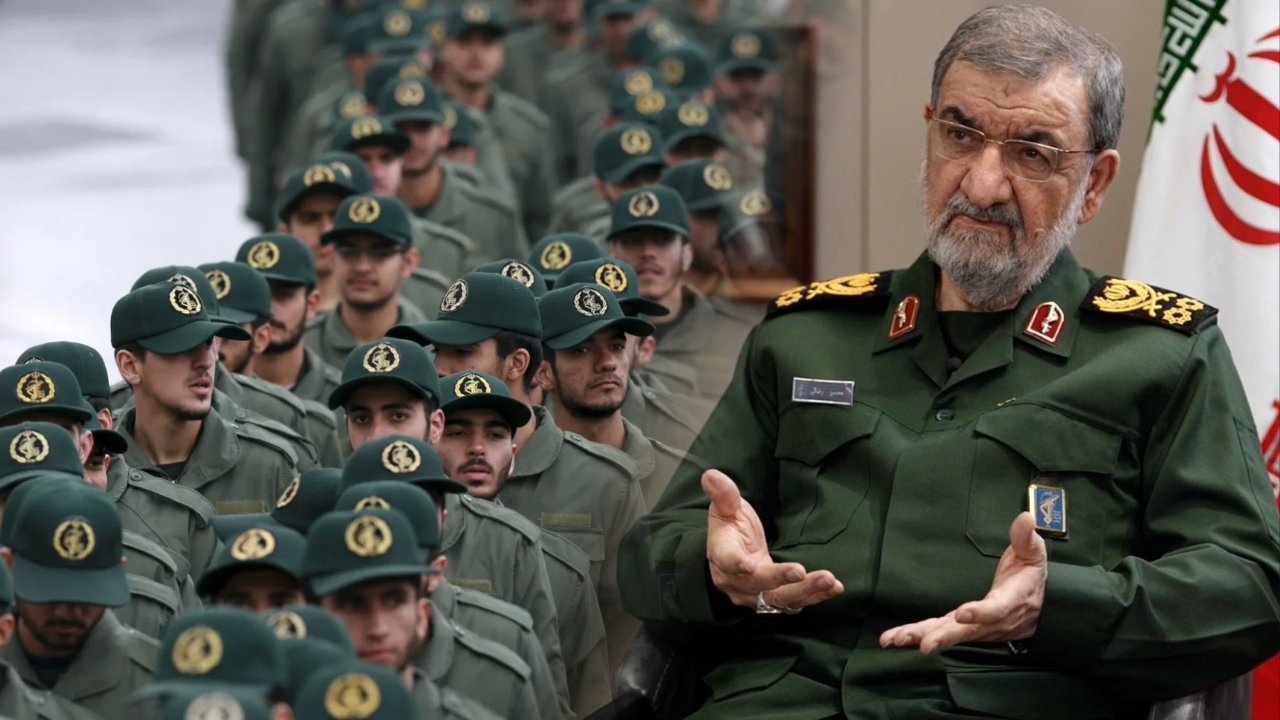
Iran has appointed former Islamic Revolutionary Guard Corps chief Mohsen Rezaei as secretary of the Supreme National Security Council, replacing Mohammad Bagher Zolghadr.
Rezaei, a veteran commander who led the IRGC during the Iran-Iraq War, has also served as an adviser to Supreme Leader Mojtaba Khamenei.
Iran has elevated longtime Islamic Revolutionary Guard Corps commander Mohsen Rezaei to the country’s top national security post, placing a veteran of the Iran-Iraq War at the centre of Tehran’s decision-making as the conflict with the United States continues and negotiations over the Strait of Hormuz remain unresolved.
Rezaei has been appointed secretary of the Supreme National Security Council (SNSC), replacing Mohammad Bagher Zolghadr, who has stepped down from the position. The appointment was announced on Sunday through Iranian presidential channels, while Iran’s Supreme Leader Mojtaba Khamenei separately appointed Rezaei as his representative to the council.
Who Is Mohsen Rezaei?
Rezaei is one of the most recognisable figures from Iran’s military-security establishment, having commanded the IRGC from 1981 to 1997, including throughout much of the Iran-Iraq War. His career has extended well beyond the battlefield. After leaving the IRGC command, Rezaei remained active in Iran’s political and security establishment and has run unsuccessfully for president several times.
He had most recently been serving as a military adviser to Supreme Leader Mojtaba Khamenei before being elevated to the SNSC leadership. Iranian state-linked reporting described him as a veteran commander with more than four decades of experience at the highest levels of the country’s military and political system.
Why Rezaei’s Appointment Matters
The SNSC is one of Iran’s most important institutions for coordinating defence, intelligence, foreign policy and national security decisions. The council brings together senior civilian and military officials and operates at the intersection of Iran’s elected government, security establishment and Supreme Leader’s office.
That makes the appointment of a former IRGC chief significant, particularly at a time when Iran is attempting to balance military confrontation with the United States against diplomatic efforts to end the conflict.
Analysts cited in reports on the appointment have interpreted Rezaei’s return to the centre of national security decision-making as another indication of the continued influence of Iran’s longstanding security establishment.
Zolghadr Out, Rezaei In
Rezaei replaces Mohammad Bagher Zolghadr, who took over the SNSC secretariat in March after the previous secretary, Ali Larijani, was killed during the US-Israeli strikes on Iran.
Zolghadr’s tenure lasted only several months before the latest reshuffle. He has reportedly been moved to another role as an adviser to Supreme Leader Mojtaba Khamenei, meaning the change does not represent his complete removal from Iran’s security establishment.
The reshuffle therefore appears less like a wholesale departure from the military establishment and more like a change in which veteran security figure occupies one of its most influential coordinating positions.
A New Power Balance Inside Tehran?
The appointment comes amid reported tensions between Iran’s civilian leadership and elements of its hardline security establishment over how Tehran should respond to Washington.
President Masoud Pezeshkian and Foreign Minister Abbas Araghchi have backed diplomatic engagement, while powerful elements of the security establishment have maintained a tougher position towards the United States.
Rezaei’s appointment could therefore strengthen the influence of figures with deep roots in the IRGC at a time when Iran is weighing military pressure against negotiations.
However, the appointment alone does not establish that Tehran has adopted a permanently harder negotiating position.
The SNSC remains a collective decision-making body, and Rezaei’s role will involve coordinating positions among Iran’s political, military and security institutions rather than independently determining national policy.
Latest News


Yuvraj Tyagi is a Senior Copy Editor, specializing in security, national, international and defense affairs. With extensive experience covering the Ka… View More
Original source: https://www.timesnownews.com/world