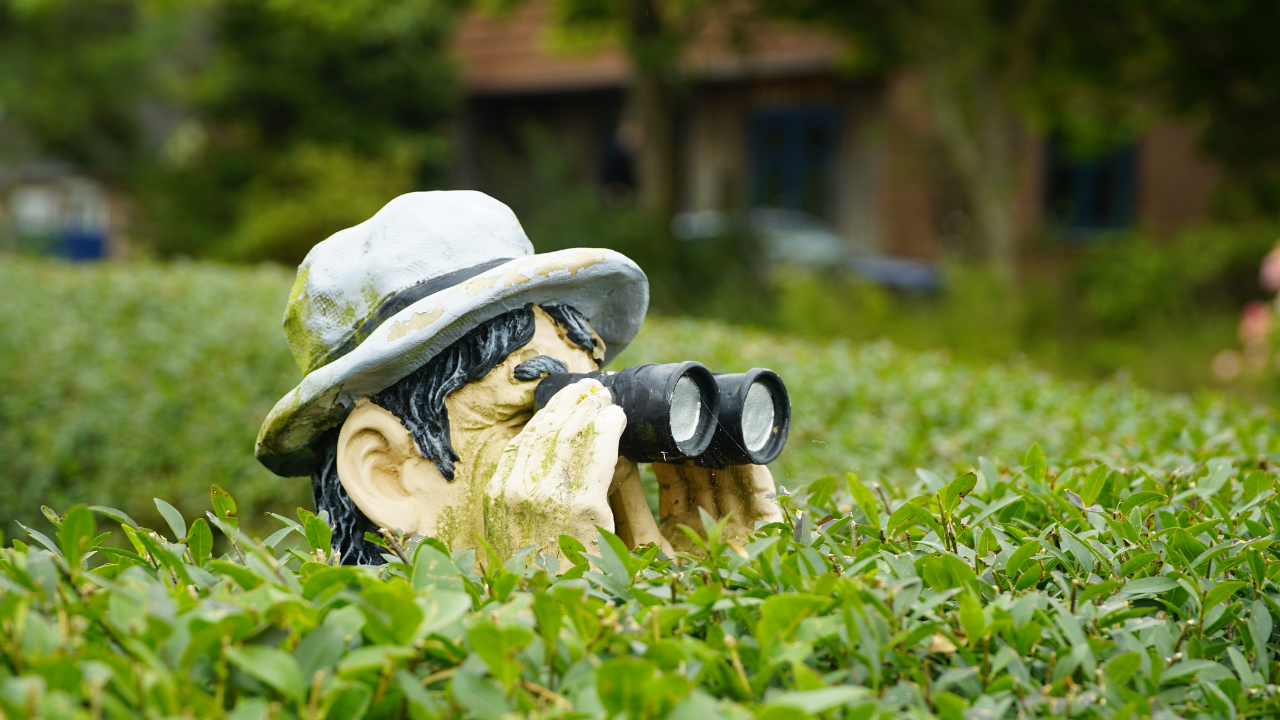
Someone Is Watching You? What To Do When A Crush Turns Into A Stalker
- Authored by: Simran Sukhnani
- Updated Aug 21, 2026, 23:01 IST
When a crush crosses boundaries and turns into stalking, the situation can quickly become frightening. Here’s how to recognise warning signs, protect yourself, document incidents and seek help.
Having a stalker (Credits: Canva)
It can start innocently enough. Someone who likes all your stories, remembers tiny details about you, sends messages throughout the day and always seems eager to see you may initially feel flattering. But what happens when attention stops feeling romantic and starts making you uncomfortable? That shift matters.
Stalking is not simply having a crush too intensely. It involves repeated, unwanted behaviour that makes another person feel watched, followed, threatened or unsafe. It can happen after a relationship ends, but it can also begin with someone you barely know.
When Does A Crush Become A Stalker?
There is no single behaviour that automatically defines stalking. It is often the pattern that raises the biggest concern. Repeatedly calling or messaging after you have asked someone to stop, creating new social media accounts after being blocked, turning up unexpectedly at your home or workplace, following you, monitoring your online activity or asking friends about your whereabouts can all be warning signs. Another red flag is when someone behaves as though they are entitled to your time and attention. A person saying, “I really like you,” is one thing. Someone refusing to accept “no” is another.
Trust The Feeling That Something Is Wrong

What should i do if someone is stalking me (Credits: Canva)
One of the biggest mistakes people make is dismissing their discomfort because they do not want to appear rude or paranoid. You do not need to prove that someone is a stalker before taking precautions. If their behaviour makes you uncomfortable, you are allowed to create distance. You do not owe someone a conversation, explanation or second chance simply because they have feelings for you.
Don’t Engage Just To Make It Stop
If you feel safe doing so, a clear message such as “Please do not contact me again” can establish a boundary. After that, avoid getting drawn into repeated conversations. Arguments, emotional explanations or attempts to convince the person to leave you alone can sometimes prolong contact. If you feel threatened, however, do not confront the person simply because you think you need to give them closure. Your safety comes first.
Document What Is Happening
Keep screenshots of messages, emails, calls, fake profiles and threatening comments. Note dates, locations and incidents, particularly if the person appears repeatedly at places you visit. Do not delete evidence simply because you want to forget what happened. A record can become important if you need help from authorities, your workplace, college or another support system.
Tell Someone You Trust
Stalking can feel isolating, especially when the person is someone you once liked or trusted. Tell a friend, family member, colleague or another person you feel safe with. If the individual knows where you live or work, consider informing building security, reception staff or trusted colleagues. Review your social media privacy settings and avoid publicly sharing your real-time location or routine. If you believe you are in immediate danger, move to a safe place and contact local emergency services or the police.
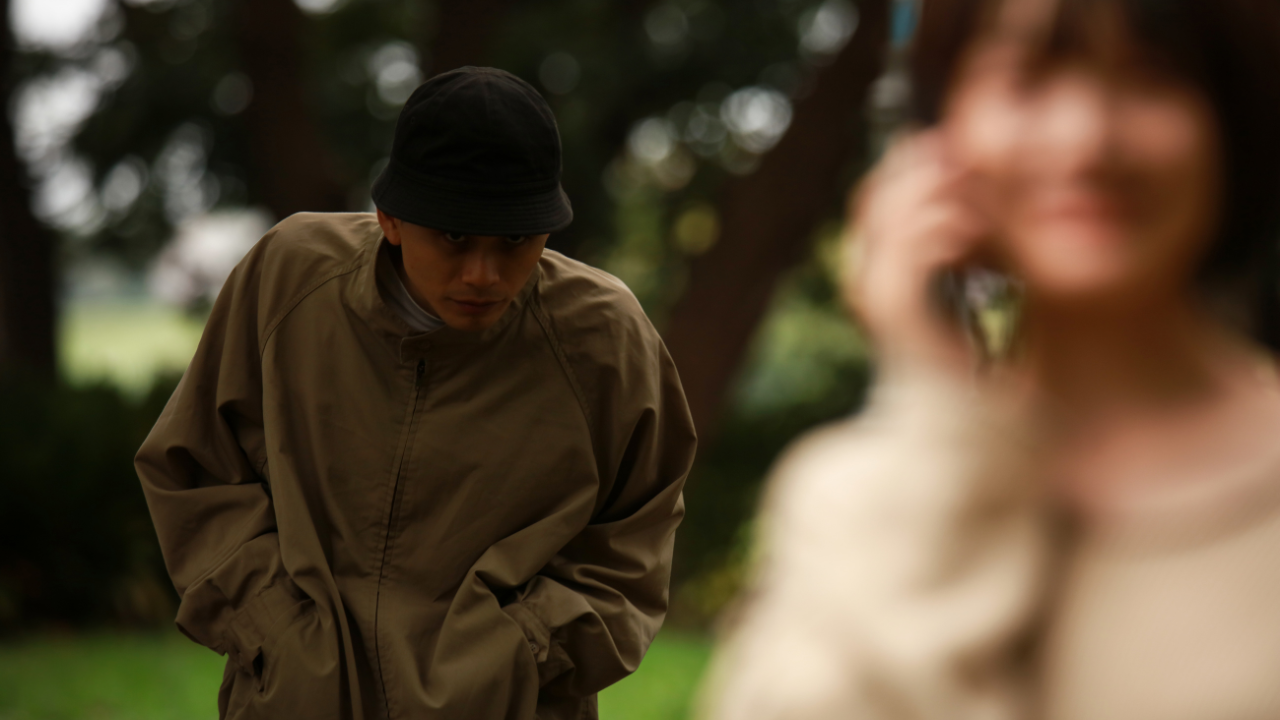
What to do when you have a stalker (Credits: Canva)
It Is Not Your Fault
Perhaps the most important thing to remember is this: someone’s decision to stalk you is not caused by what you wore, how friendly you were, whether you dated them or whether you rejected them. A crush can be exciting. Attraction can be intense. But healthy interest respects boundaries. The moment attention turns into fear, control or unwanted surveillance, it is no longer something you have to tolerate just to spare someone’s feelings.
Latest News


Simran covers books that start conversations, beauty insights, fashion moods, and stories that make people feel something. Off duty? You’ll find her c… View More
Original source: https://www.timesnownews.com/lifestyle