Why Indian Languages Stay Invisible While Korean and Japanese Conquer the Shelf
- Authored by: Girish Shukla
- Updated Aug 21, 2026, 14:00 IST
Sixty-five million people speak Kannada, and not one book in it had ever been nominated for the International Booker until last year. Talent was never the thing holding India back.
The Reason Indian Novels Do Not Travel Has Nothing To Do With Writing (Picture Credit – Pinterest)
Kannada is spoken by roughly 65 million people, which makes it larger than Italian and roughly the size of French. Until 2025, no book written in it had ever been nominated for the International Booker Prize. When one finally was, it won.
Banu Mushtaq’s ‘Heart Lamp‘, translated by Deepa Bhasthi, took the prize in May 2025, making Mushtaq the second Indian author to win after Geetanjali Shree in 2022 and Bhasthi the first Indian translator to do so. The publisher was And Other Stories, a small independent operating out of Sheffield, winning for the first time in its history.
Both facts point the same way. Indian writing in Indian languages is not failing to produce work of international standard. It is failing to arrive.
Korea Built A Machine, Japan Built A Market
The contrast is not accidental, and it is not really about literary merit at all. Somebody decided against it three decades ago.
Korea established a government-funded body for exporting its literature in 1996. The Literature Translation Institute of Korea pays translators, pays overseas publishers, trains new translators through its own academy, funds writers to travel, and maintains an archive of Korean work in 44 languages. As of December 2025, it had supported the publication of 2,402 translated titles, including 386 in English alone.
Korean writing also has the Daesan Foundation and the Korean Publication Industry Promotion Agency behind it. Japan runs a comparable operation through its own literature publishing project. Poland has a book institute. None of what has happened to the shelf in the past decade was an accident of taste.
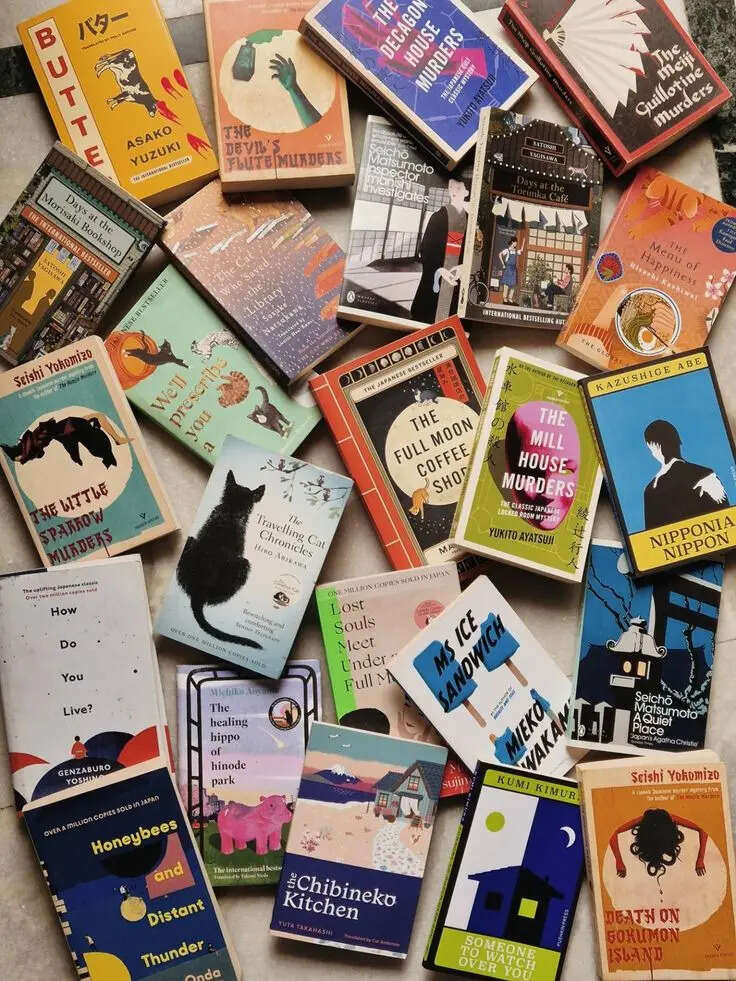
Japanese Books (Picture Credit – Pinterest)
Japan arrived by a different route, and the numbers are startling. In 2022, Japanese fiction accounted for a quarter of all translated fiction sold in the UK. By 2024 it made up 43 per cent of the top forty translated titles, and in the first half of 2026 Japanese books held half of the top ten. Japan does fund translation, through its literature publishing project and prizes attached to it, but the deeper advantage is older than any of that. Murakami and Yoshimoto spent the nineties proving to British publishers that Japanese fiction sells, and once a category has its own table in a bookshop, acquisition follows the furniture.
The Korean model does something specific and clever. It funds a sample translation first, then releases the rest of the money once a foreign publisher has signed. That removes the exact risk that stops a small British or American house from taking a chance on an unfamiliar language, because the publisher is no longer gambling its own money on a book nobody on staff can assess.
What India Offers Instead
Indian literature has nothing structurally comparable, and the gaps show up in predictable places. The absence is easiest to see from the translator’s side of it.
A translator working from Malayalam or Odia into English is largely on their own. Funding, where it exists, tends to come from private foundations or from abroad, including an American prize for South Asian literature in translation. The Sahitya Akademi does substantial work, but its translation programme has historically served movement between Indian languages rather than export into English.
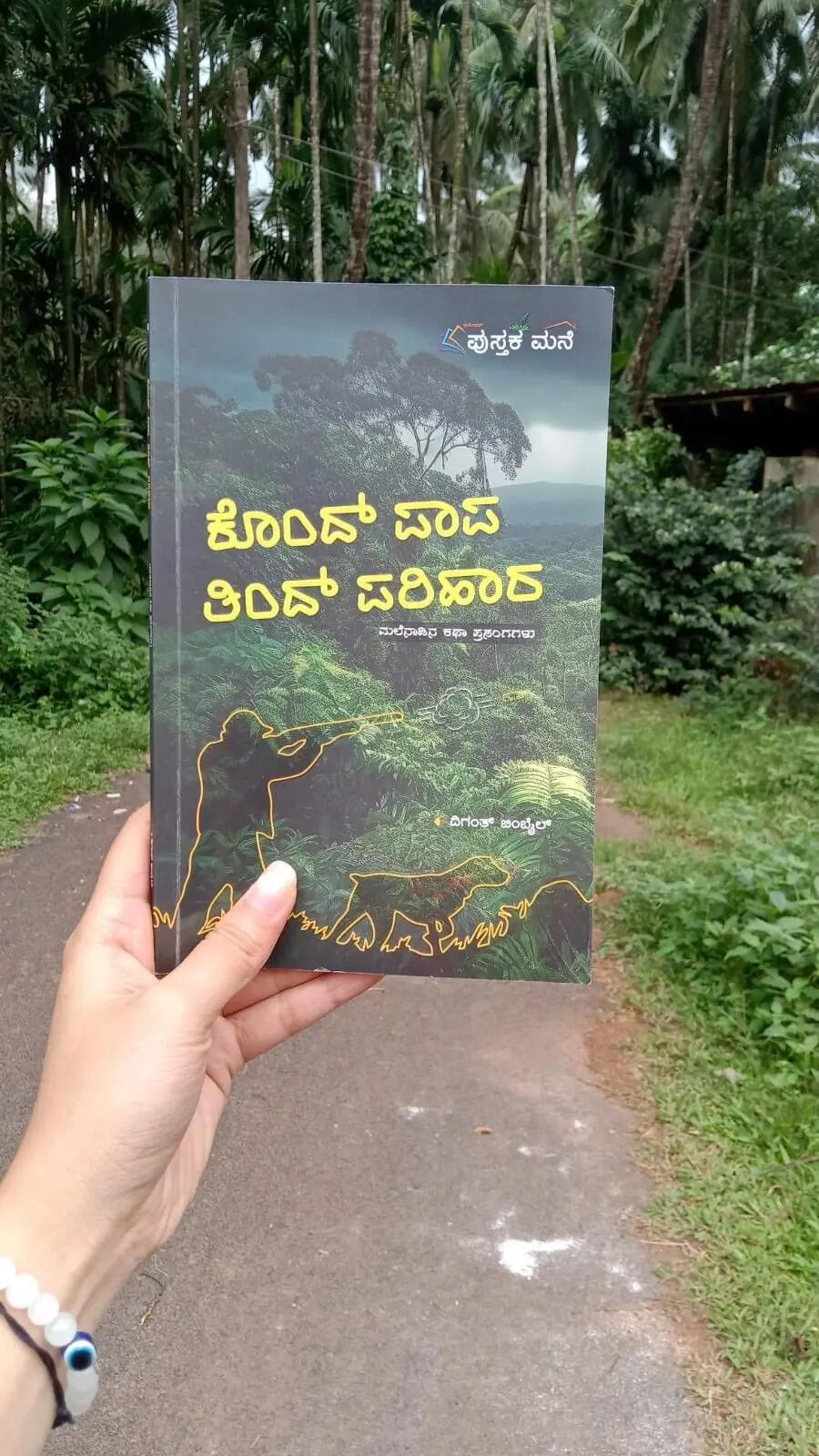
Kannada Books (Picture Credit – Pinterest)
Advances compound the problem. A literary translation takes months of skilled work, and the fee available in India rarely reflects that, which means the job is done by people who can afford to treat it as a labour of love. Talent is not the constraint. Time paid for is.
Then there is who commissions. Acquisition editors in London and New York cannot assess a Kannada manuscript, so somebody has to bring it to them already made. In Korea’s case, the state does that. In India’s case, it depends on whether a translator decides, unpaid, to spend a year on spec.
Two International Booker wins in four years suggest the work is there and always was. What both of those wins also share is an individual who chose to do something nobody was paying them to do, and an independent publisher willing to take the risk. That is a system running on goodwill, and goodwill does not scale.
Latest News


Seasoned Editor and Author with over a decade of experience in literary journalism, author interviews, and publishing trends. Known for curating impac… View More
Original source: https://www.timesnownews.com/lifestyle