From tablets to conversational AI: Films that predicted everyday technology decades before it existed
What if some of the technology we use today was first imagined by filmmakers decades ago? From artificial intelligence and virtual reality to smart an…

 1/9
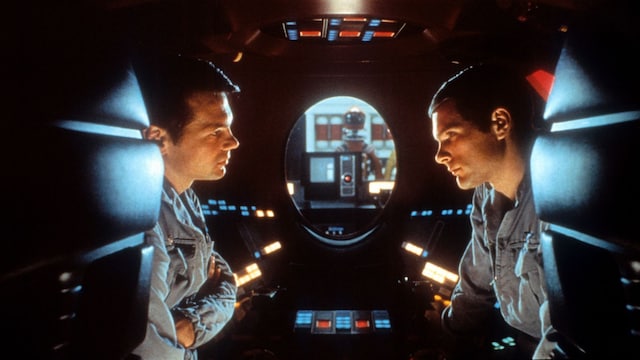
1/92001: A Space Odyssey (1968) | Stanley Kubrick’s sci-fi masterpiece predicted modern computing hardware and communications decades ahead of its time. The film introduced the “Newspad” (a clear precursor to modern flat-screen tablets like the iPad), routine video calling, and HAL 9000, an early vision of natural-language conversational AI.
 2/9
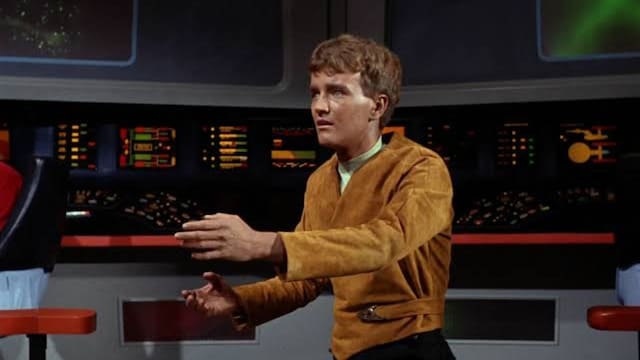
2/9Star Trek: The Motion Picture & TV Series (1966–1979) | The Star Trek franchise laid the blueprint for modern telecommunications. The crew’s handheld Communicators directly inspired Martin Cooper to invent the first mobile flip phone, while the ship’s computer pioneered voice-controlled ambient computing and real-time audio translation.
 3/9
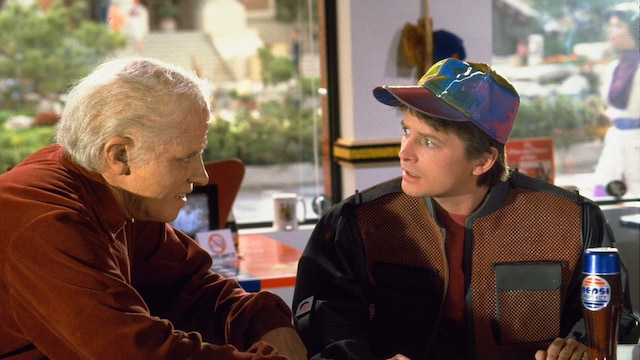
3/9Back to the Future Part II (1989) | While flying cars and hoverboards remain elusive, the film’s vision of 2015 nailed several consumer technologies: wearable smart glasses (anticipating Google Glass and Vision Pro), biometric fingerprint scanners for payments and door locks, and flat-screen televisions capable of multi-channel picture-in-picture video conferencing.
 4/9
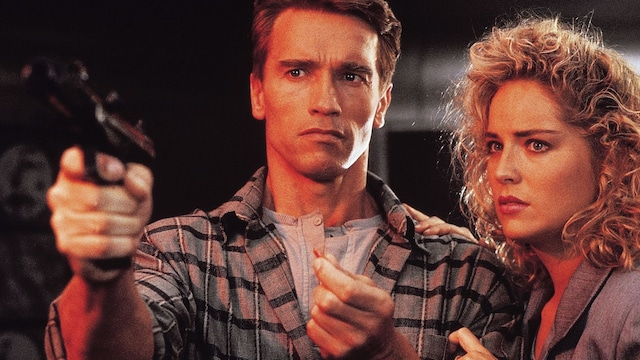
4/9Total Recall (1990) | Beyond the Martian setting, the film accurately envisioned the rise of autonomous transit. Its “Johnny Cab” predicted self-driving vehicles, lidar navigation, and autonomous robotaxi fleets now operating in major cities around the world.
 5/9
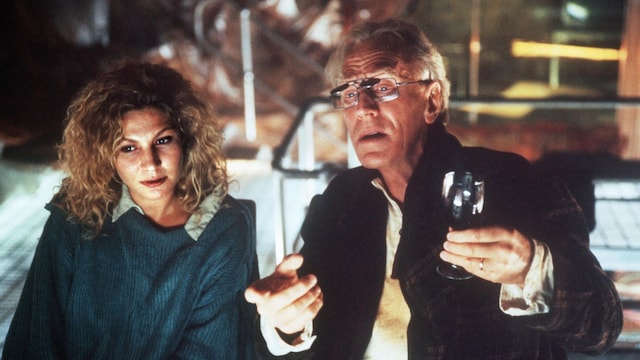
5/9Until the End of the World (1991) | Wim Wenders’ globe-trotting drama was remarkably prescient about personal consumer tech. It accurately predicted high-definition flat-screen displays, early handheld digital video recorders, and integrated mobile navigation/GPS systems.
 6/9
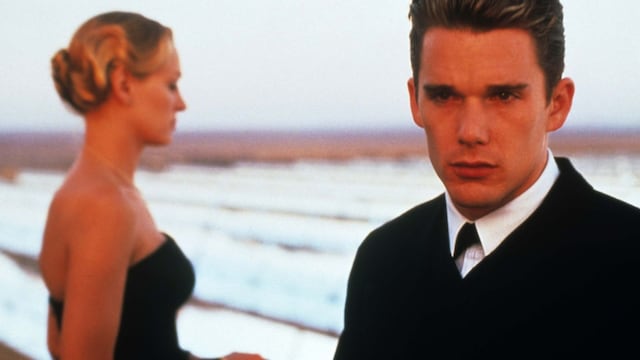
6/9Gattaca (1997) | Andrew Niccol’s dystopian thriller anticipated the bio-tech revolution with chilling accuracy. Decades before commercial gene-sequencing services (like 23andMe) and CRISPR gene-editing debates became reality, Gattaca showcased rapid at-home DNA profiling, genetic predisposition scoring, and pre-implantation genetic screening.
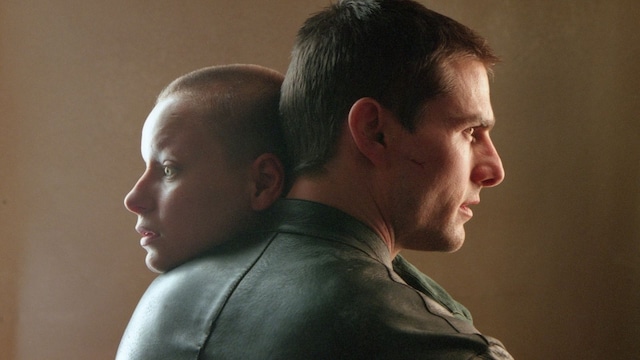 7/9
7/9Minority Report (2002) | Director Steven Spielberg consulted top futurists and MIT scientists to design the film’s 2054 setting. The result accurately predicted spatial gesture-controlled interfaces, real-time facial recognition and biometric tracking, and hyper-personalised, location-targeted digital advertising.
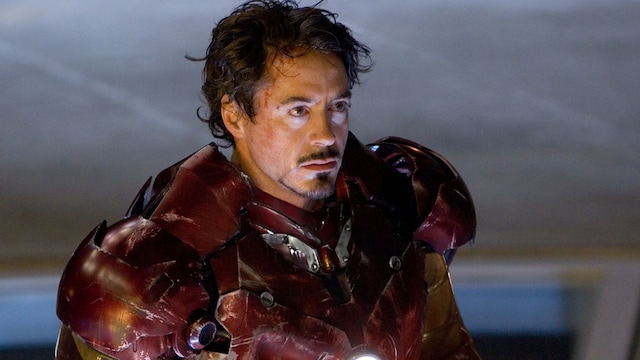 8/9
8/9Iron Man (2008) | Tony Stark’s workspace showcased augmented reality heads-up displays (HUDs) and J.A.R.V.I.S., an AI assistant capable of multi-system integration, real-time contextual data synthesis, and home automation—functions now common in modern AI workflows and smart home ecosystems.
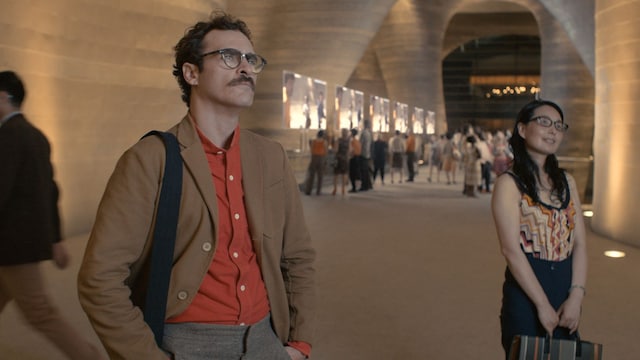 9/9
9/9Her (2013) | Spike Jonze accurately predicted the shift toward voice-first, emotionally expressive artificial intelligence. The film showcased discrete, wireless smart earbuds paired with a dynamic, real-time conversational AI assistant that adapts to the user’s tone, schedule, and personal preferences.
Original source: https://www.cnbctv18.com/entertainment/