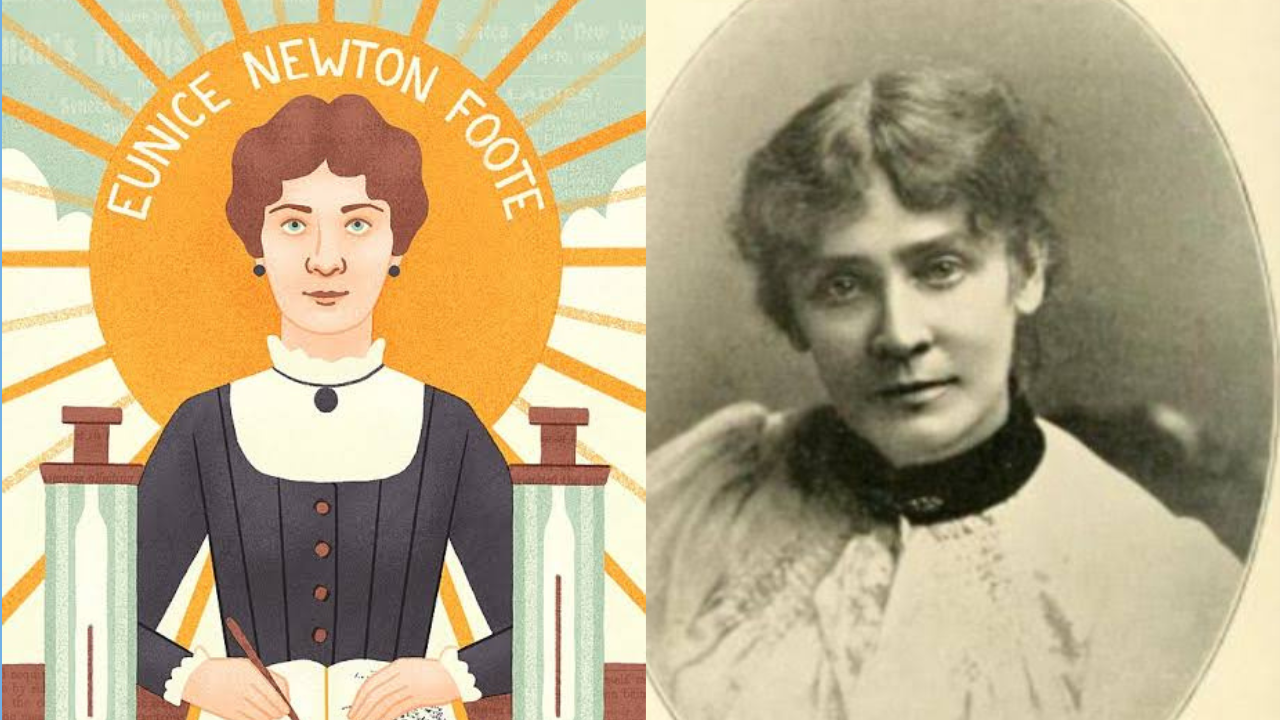
The Woman Who Discovered Climate Change And Was Erased From It
- Authored by: Simran Sukhnani
- Updated Aug 23, 2026, 17:55 IST
In 1856, Eunice Newton Foote discovered that carbon dioxide could trap heat, offering an early glimpse of climate change. Her groundbreaking work was later forgotten, until history rediscovered her.
Eunice Newton Foote (Credits: Instagram)
In the summer of 1856, a woman in upstate New York packed two glass cylinders, an air pump, and a set of mercury thermometers into her home laboratory and asked a question nobody else in science was asking yet: what happens when sunlight hits different gases? Her name was Eunice Newton Foote. She was not a professional scientist. She had no university post, wasn’t a lab assistant with any institutional backing. All she had was curiosity, a keen eye for experimental design, and a habit of paying close attention to things other people overlooked.
What Eunice Foote Was Upto
Her setup was almost stubbornly simple. She filled glass cylinders with different gases, common air, hydrogen, oxygen, and carbon dioxide, then set them in direct sunlight and tracked how hot each one got. The cylinder filled with carbon dioxide didn’t simply get warm. It got hotter than the rest, and it stayed hot longer after the sunlight was removed.
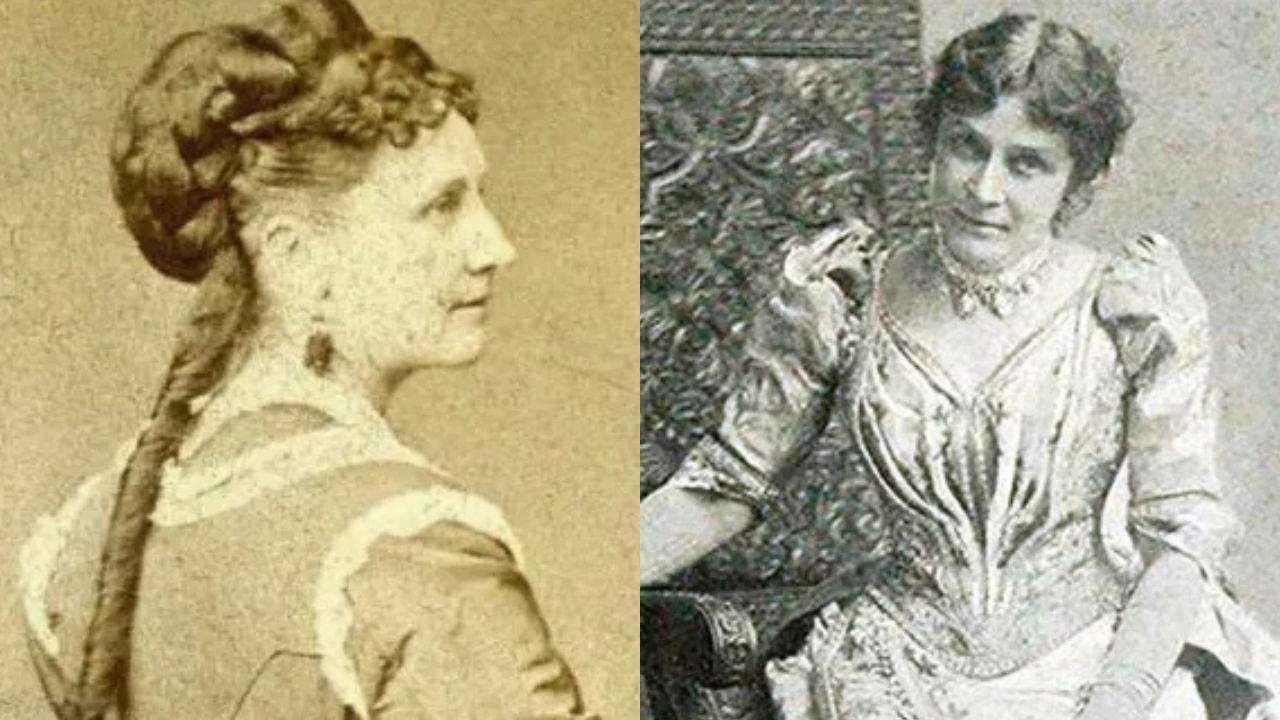
Woman who discovered climate change (Credits: Instagram)
From that result, Foote made a leap that most of her contemporaries never thought to make. She wrote that an atmosphere containing more carbon dioxide would produce a warmer Earth. In one modest paragraph, tucked into a paper called ‘Circumstances Affecting the Heat of the Sun’s Rays,’ a woman working alone had described the basic mechanism of the greenhouse effect, the same principle now at the center of every conversation about global warming and climate change. That paper was presented in August 1856 at a meeting of the American Association for the Advancement of Science. Foote herself did not read it aloud. Convention of the era did not extend that platform to women, so Joseph Henry, the head of the Smithsonian Institution, delivered her findings on her behalf. Her paper was published shortly after, but without the standing, connections, or continued access to scientific institutions that might have kept her ideas circulating.
How Eunice Foote Was Forgotten
Three years later, the Irish physicist John Tyndall ran his own, more elaborate experiments on how gases absorb radiant heat. Tyndall’s work was rigorous, and it earned him a place in the history books as the father of greenhouse gas science. For more than a hundred years, that was the story everyone told. Foote’s paper, and her name, simply dropped out of the record.
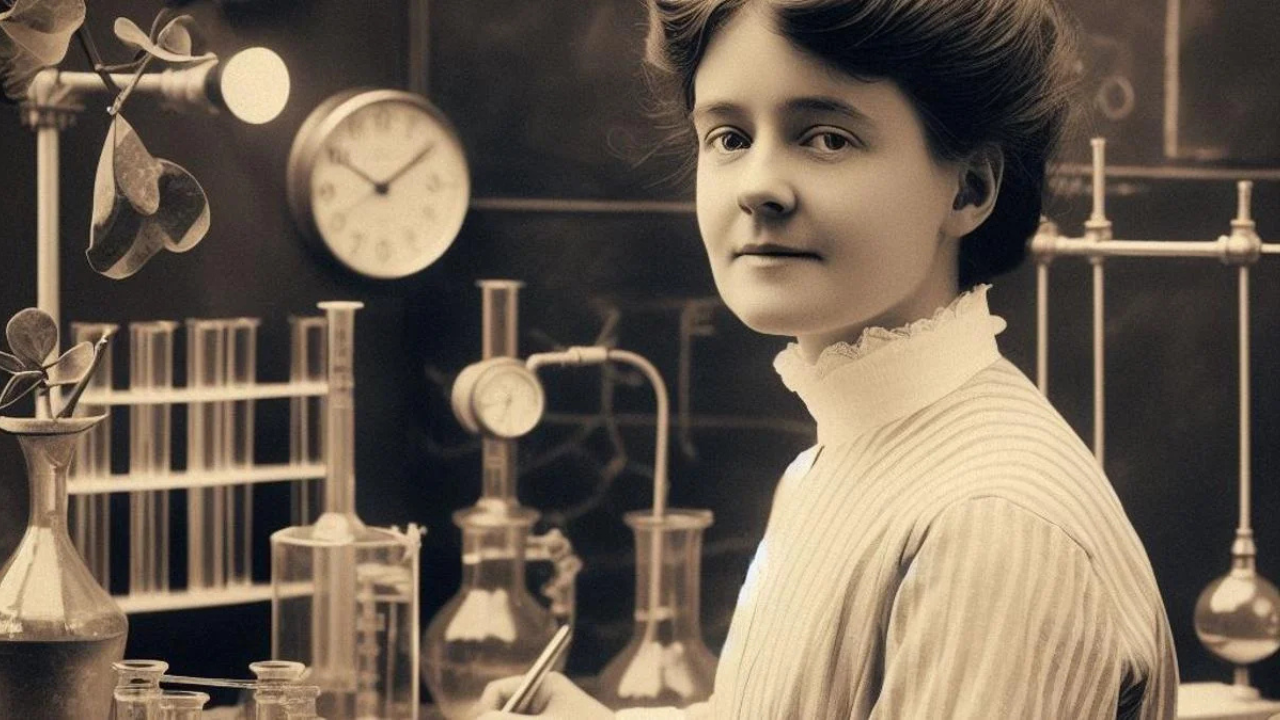
Eunice Newton Foote, Climate Change Discovery (Credits: Instagram)
Whether Tyndall ever encountered Foote’s earlier work remains genuinely uncertain. There’s no solid evidence that he saw it, and no proof that he didn’t. What’s clear is that her result came first, and that history didn’t preserve that fact. It took until around 2010, when a retired geologist named Raymond Sorenson stumbled across her original paper while researching something else entirely, for Foote’s name to resurface. Since then, historians and scientists have worked to place her back where she belongs, not as a footnote to Tyndall’s discovery, but as the person who saw it first, with nothing but glass jars, sunlight, and the nerve to ask the right question.
Read More: The Most Brazen Art Heists In History
Latest News


Simran covers books that start conversations, beauty insights, fashion moods, and stories that make people feel something. Off duty? You’ll find her c… View More
Original source: https://www.timesnownews.com/lifestyle