Trump Demands Compensation From Iran As Hormuz Dispute Deepens
- Authored by: Samannay Biswas
- Updated Aug 10, 2026, 23:31 IST
US President Donald Trump has rejected Iran’s compensation demand for damages from a recent military conflict, insisting that Iran should instead pay for American casualties caused by its actions.
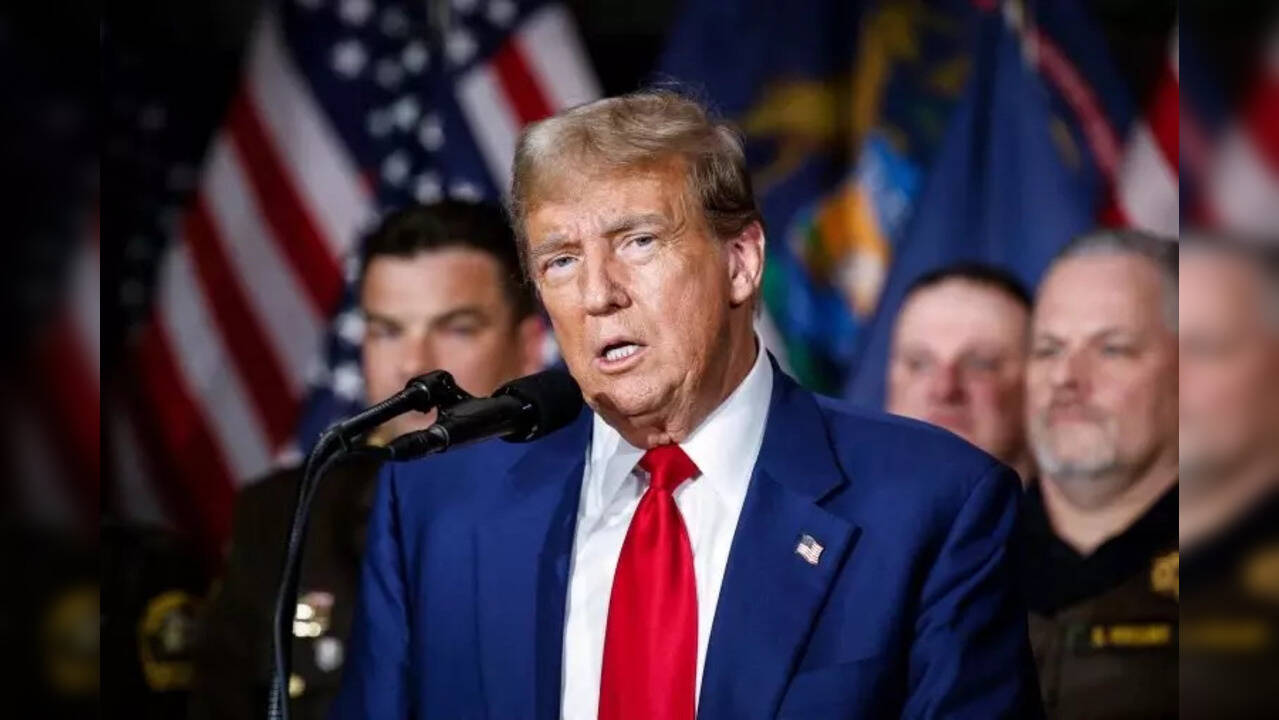
Trump’s latest demand comes as Washington and Tehran remain divided over the terms for ending the conflict and restoring normal commercial shipping through the Strait of Hormuz. (Photo: X)
US President Donald Trump has hit back at Iran’s demand for compensation over damage caused during the five-month US-Israeli military conflict, saying Tehran should instead compensate the United States for Americans killed and wounded in conflicts involving Iran.
In a statement on Truth Social, Trump said Iranian representatives were seeking compensation despite the issue allegedly never being raised during previous negotiations. He said he had instructed US representatives to include Washington’s compensation demand in all future talks with Tehran.
Trump said Iran should compensate families of people killed or seriously wounded by Iranian attacks, including those killed in the 2000 USS Cole bombing and other conflicts. He also called for compensation for families of Iranian protesters who, he claimed, were killed by the Iranian government over the past 50 years.
Trump further claimed that 52,000 people had been killed in Iran during the past five months, although that figure was not independently substantiated in the reports.
Compensation Becomes New Flashpoint In Iran Talks
Trump’s latest demand comes as Washington and Tehran remain divided over the terms for ending the conflict and restoring normal commercial shipping through the Strait of Hormuz.
Iran has demanded compensation for wartime damage as part of its conditions for easing restrictions on the strategic waterway. Iranian officials have also called for sanctions relief, the release of frozen Iranian assets, an end to the US naval blockade and the withdrawal of US forces from the region.
The dispute has become particularly important because Iran has said that an agreement with Oman on safe shipping routes would not necessarily mean the full reopening of Hormuz. Tehran has maintained that reopening the strait remains dependent on Washington meeting its broader demands.
Hormuz Talks Remain Uncertain
Iran and Oman have continued discussions on arrangements that could allow commercial vessels to travel safely through the waterway. However, Iranian officials have distinguished between creating temporary safe-passage routes and fully reopening the Strait of Hormuz.
The distinction is significant for global energy markets because the strait is a critical route for oil and gas shipments from the Gulf.
The Trump administration has pushed for commercial shipping to resume, while Vice President JD Vance has said Washington wants the waterway cleared of mines and assurances that Iran will not attack commercial vessels.
Trump Adds Pressure On Tehran
The compensation demand could further complicate already difficult negotiations.
Iran is seeking financial compensation, sanctions relief and other concessions from Washington, while Trump is now demanding payments from Tehran for deaths and injuries attributed to Iranian actions.
The competing demands come as both sides attempt to use the Hormuz crisis as leverage in negotiations.
For now, there is no indication that either side has accepted the other’s compensation claims. The latest exchange suggests that any broader agreement between Washington and Tehran will have to overcome not only the dispute over the nuclear programme and sanctions, but also unresolved questions over military forces, frozen assets, compensation and control of the Strait of Hormuz.
Latest News


Working as Copy Editor at the Business Desk of Times Now Digital. Dedicated towards crafting interesting financial stories. Previously covered financi… View More
Original source: https://www.timesnownews.com/world