Sucheta Kripalani: The Woman Who Sang The Nation Awake On The First Independence Day
- Authored by: Girish Shukla
- Updated Aug 13, 2026, 18:00 IST
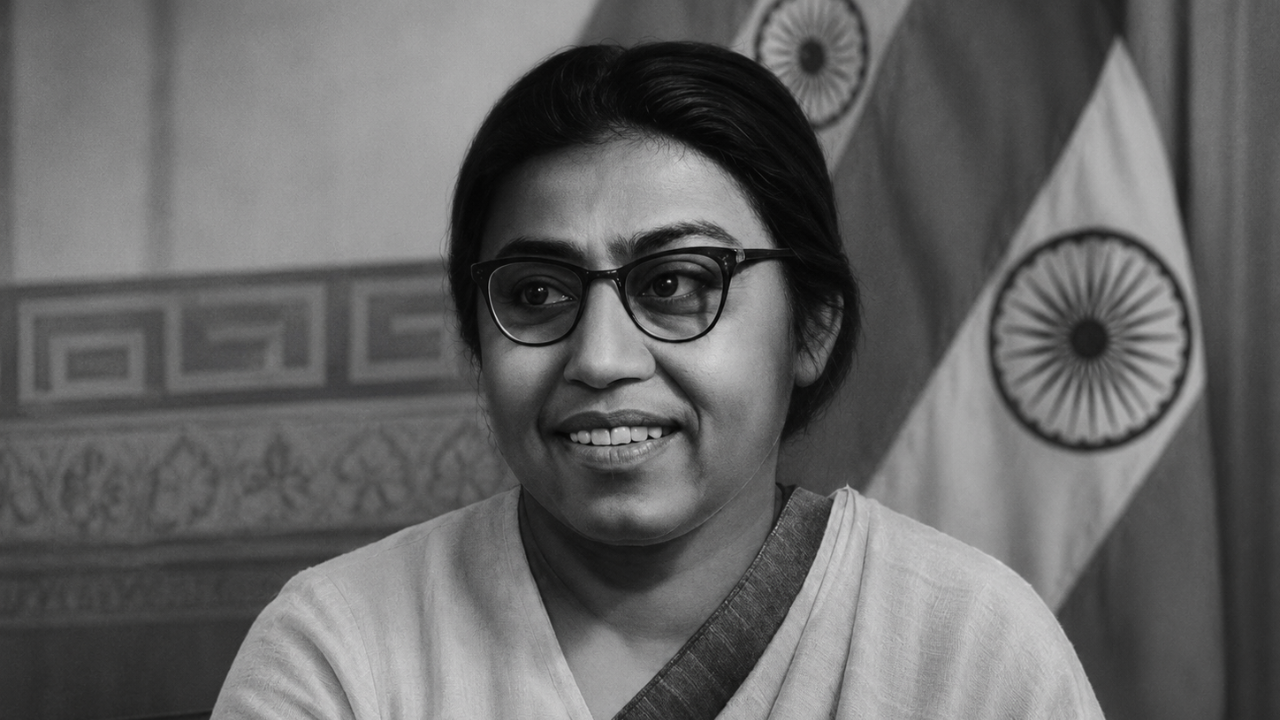
Everyone remembers Nehru’s midnight speech. Few recall that free India’s first sound was a woman’s voice, as Sucheta Kripalani opened the session singing Vande Mataram moments before he rose.
Sucheta Kripalani The Teacher Who Opened Free India’s First Midnight With A Song (Picture Credit – AI Generated)
The most famous words spoken in India on the night of 14 August 1947 were Jawaharlal Nehru’s, his tryst with Destiny, delivered as the clock moved towards midnight and a free country came into being. But the first sound to fill the Central Hall that night was not a speech. It was a woman’s voice, singing. Before a single line of Nehru’s address was heard, a slight, composed figure rose and sang the opening verse of Vande Mataram to a hushed and expectant chamber. Her name was Sucheta Kripalani, and for that one moment the sound of the new nation was hers.
The Teacher Who Chose The Struggle
Kripalani did not begin as a revolutionary. Born in 1908, she studied history at St Stephen’s College in Delhi and went on to teach constitutional history at Banaras Hindu University, a scholarly, respectable life. It was at BHU that she met Acharya J.B. Kripalani, a senior Congress leader she would marry against her family’s wishes. The freedom movement pulled her steadily away from the lecture hall. During the Quit India Movement of 1942, she went underground, organising resistance in secret, working alongside figures such as Aruna Asaf Ali and Ram Manohar Lohia, and she was arrested by the British in 1944. In 1940 she had already founded the women’s wing of the Congress, determined that women would not be spectators to the fight.
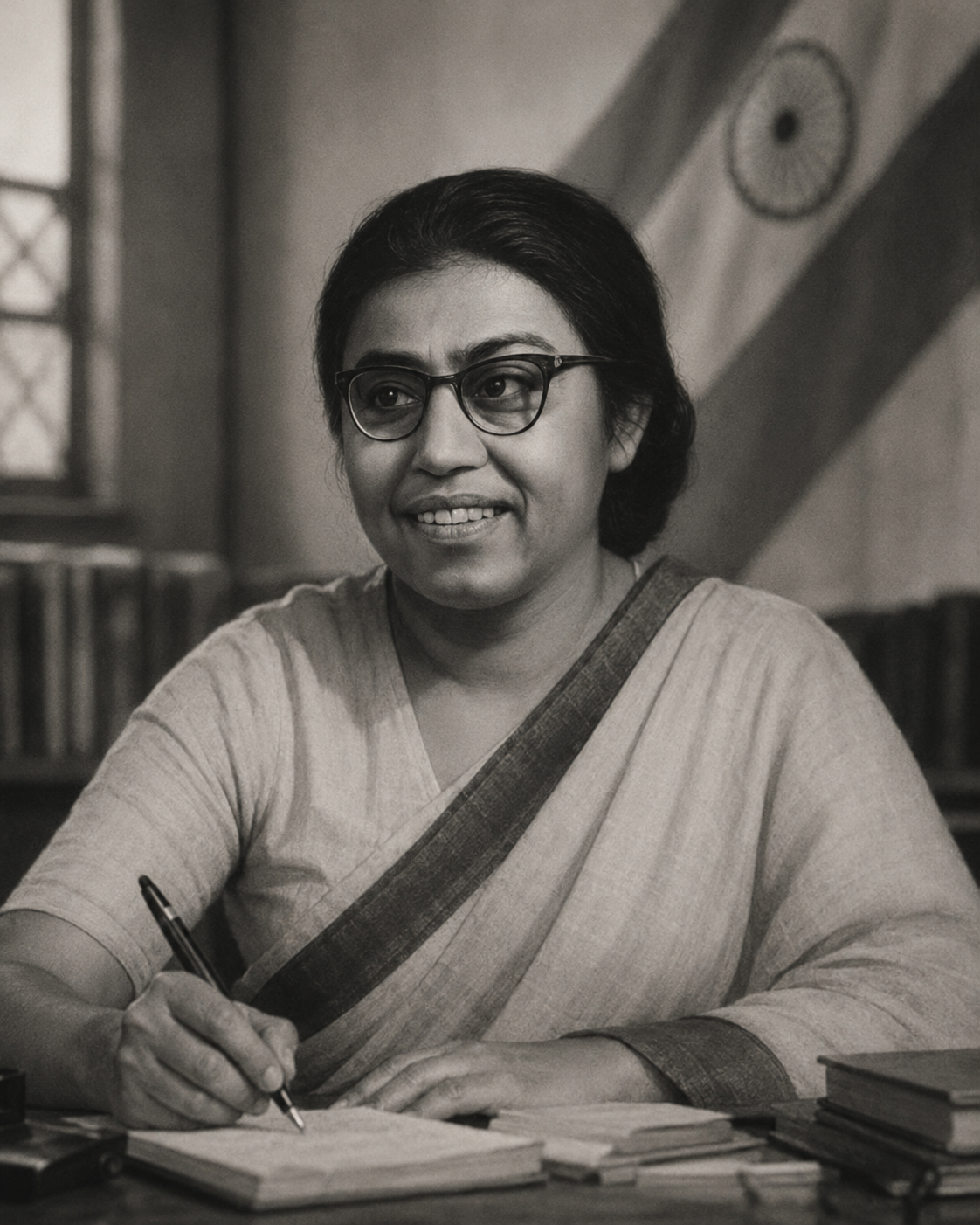
Sucheta Kripalani Left Academia to Become A Fearless Freedom Fighter (Picture Credit – AI Generated)
One Of Fifteen
When the Constituent Assembly was formed in 1946 to write the constitution of a nation not yet free, Kripalani was chosen as a member. She was one of only fifteen women in a body of nearly three hundred, seated among names such as Sarojini Naidu and Vijayalakshmi Pandit. In the debates, she was practical rather than showy, speaking to women’s rights, to equality and to the shape the new government should take. In 1947, as Partition set Bengal ablaze, she travelled with Gandhi to Noakhali to work among the victims of the riots, walking into the very heart of the violence that shadowed independence.
The Song At Midnight
Her defining moment came on the eve of freedom. The official record of the Constituent Assembly preserves the sequence exactly. The President announced that the first item on the agenda was the singing of the first verse of Vande Mataram, and the House rose to listen as Sucheta Kripalani sang it. Later in the session she sang the opening lines of Sare Jahan Se Achha and the first verse of Jana Gana Mana. Only then did Nehru rise to speak. The title Vande Mataram had been the battle cry of the freedom struggle for decades, and it fell to her to carry it across the threshold into a free India, in her own voice, in front of the men and women who had won that freedom.
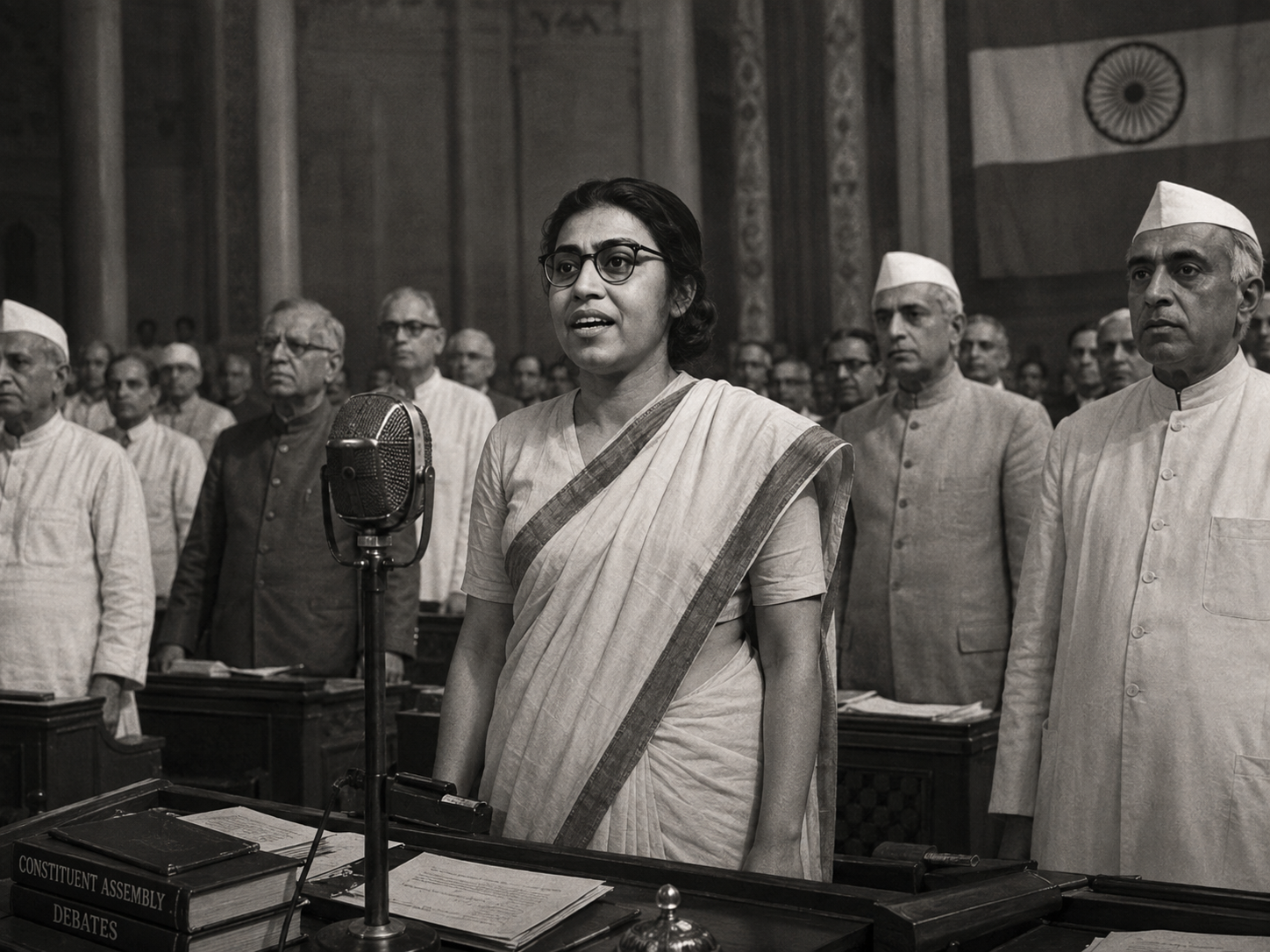
Sucheta K ripalani Sings Vande Mataram Before India’s Constituent Assembly Members (Picture Credit – AI Generated)
What Her Voice Still Carries
The rest of her life kept pace with that beginning. She was elected to the Lok Sabha, served as a minister, and in 1963 became the Chief Minister of Uttar Pradesh, the first woman to lead any Indian state, steering it through a bruising employees’ strike and a food crisis before stepping down. Yet it is the singing that endures, and there is a quiet justice in that. A country that too often remembered its freedom in the words of a handful of great men actually began its life listening to a woman. Sucheta Kripalani gave the new nation its first sound, and every time Vande Mataram is sung on an Independence Day since, it carries a faint echo of the night she sang it first, into the silence just before everything changed.
Latest News


Seasoned Editor and Author with over a decade of experience in literary journalism, author interviews, and publishing trends. Known for curating impac… View More
Original source: https://www.timesnownews.com/lifestyle