India’s Forex Story Takes A Surprising Turn: Why $50 Billion BoP Surplus Is Now In Sight
- Edited by: Priya Raghuvanshi
- Updated Aug 18, 2026, 15:40 IST
India’s BoP could post a $50 billion surplus in FY27 as strong forex inflows support external liquidity and keep the current account deficit near 1 per cent.
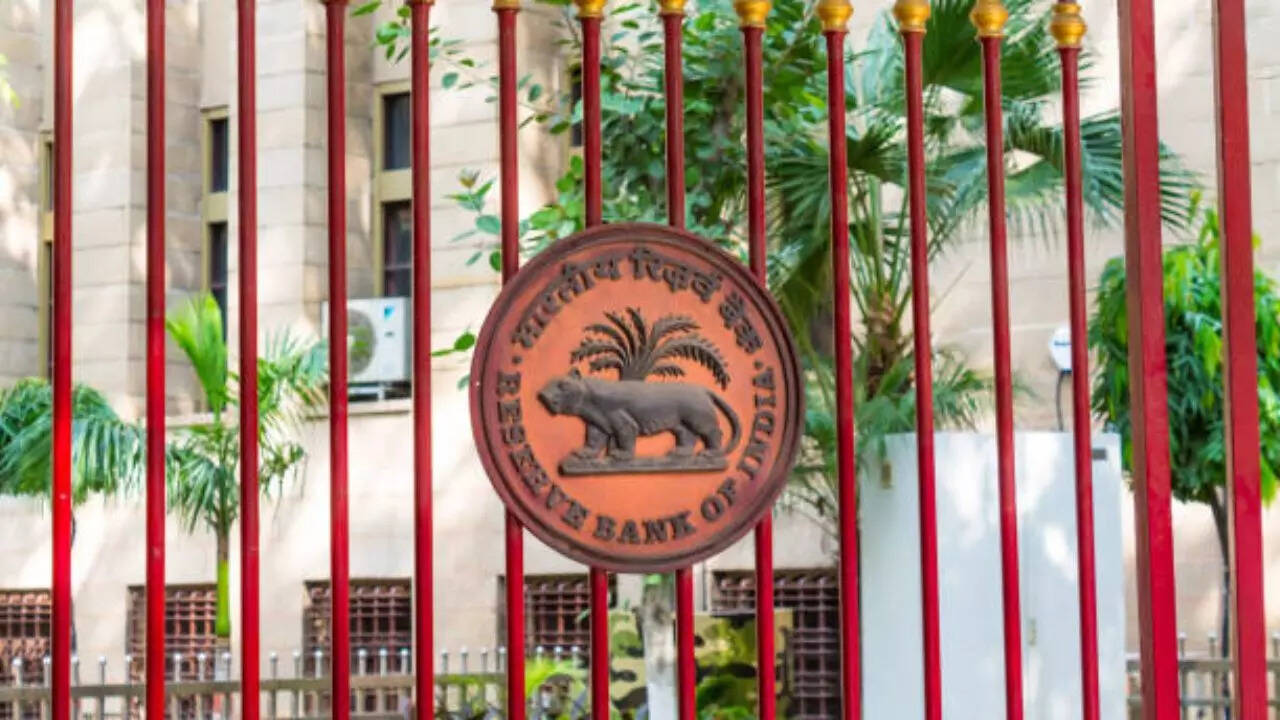
Reserve Bank of India (Image Source: iStock)
India’s external sector could remain on a strong footing in the coming financial year, with the country’s balance of payments (BoP) projected to record a surplus of nearly $50 billion in FY27. The outlook comes as robust foreign currency inflows are expected to support the country’s external liquidity and help keep the current account deficit (CAD) under control.
According to SBI Research’s Ecowrap report, India’s CAD could remain around 1 per cent of GDP in FY27. The research report pointed to strong inflows through foreign currency deposits and other overseas borrowing channels as key factors supporting the balance of payments.
The Reserve Bank of India’s special FCNR(B) deposit mobilisation initiative has emerged as a major source of foreign currency inflows. SBI Research said the scheme has already attracted around $57 billion, while a further $25 billion-$30 billion could enter the country during the remaining days of August.
If that materialises, total collections under the initiative could reach approximately $85 billion, significantly strengthening India’s foreign currency resources.
The report said, “The balance of payment will be in surplus of around USD 50 bn with CAD at 1 per cent of GDP,” highlighting its expectation of a comfortable external position despite global economic uncertainties.
The RBI had also indicated during its latest Monetary Policy Committee meeting that India’s external financing position remained favourable. Strong foreign direct investment (FDI) and foreign portfolio investment (FPI) flows have continued to support capital account inflows, while the central bank expects the balance of payments to post a healthy surplus.
Early FCNR(B) Closure Seen Having Limited Impact
The RBI’s decision to close the special FCNR(B) window earlier than initially anticipated is unlikely to significantly weaken India’s external liquidity position, according to SBI Research.
The report estimates that combined inflows through FCNR(B) deposits, overseas foreign currency borrowings (OFCBs) and external commercial borrowings (ECBs) could total $80 billion-$85 billion.
This broader pool of foreign currency resources could help offset concerns arising from the early closure of the deposit mobilisation window and provide continued support to India’s reserves.
SBI Research also pushed back against concerns surrounding the financial cost of the RBI’s forex swap arrangement. It estimated the cumulative hedging cost over five years at around $10.5 billion. That figure represents roughly 1.45 per cent of India’s current foreign exchange reserves of around $700 billion and approximately 1.27 per cent of projected reserves over the same period.
According to the report, the notional cost of the FCNR(B) swap “remains relatively small compared with the size of the reserve buffer being built,” suggesting that the facility remains a useful instrument for strengthening external liquidity.
Rupee Gains Expected To Remain Gradual
Despite the substantial foreign currency mobilisation, the rupee’s response has been relatively restrained so far. SBI Research noted that the currency has appreciated by around 0.1 per cent following the FCNR(B)-related measures.
That movement is considerably smaller than the sharp appreciation seen after the FCNR(B) initiative launched in 2013. The research house expects the rupee to strengthen towards the Rs 95-Rs 95.50 per US dollar range through the end of August and subsequently, although it does not anticipate a repeat of the magnitude of the 2013 appreciation.
Global Risks Could Test India’s External Strength
While India’s external accounts are expected to remain resilient, SBI Research flagged several international risks that could create pressure on the outlook.
The report highlighted the rise in 30-year US Treasury yields towards 5.3 per cent, which could influence global capital flows and financial conditions. Another concern is the possibility of Brent crude prices moving towards $100 per barrel if disruptions linked to the Strait of Hormuz continue.
Higher crude prices could put pressure on India’s import bill and, consequently, the current account balance. This makes the strength of foreign currency inflows and the size of the country’s reserve buffer particularly important.
Gold’s Rising Role In India’s Forex Reserves
SBI Research also stressed the need for the RBI to continue diversifying its foreign exchange reserve portfolio. Gold has assumed a larger role in the reserve mix, with its share reaching a record 16.7 per cent in FY26.
The proportion subsequently eased to 15.38 per cent as of August 7, but the elevated share underscores the importance of diversification as India builds resilience against external shocks.
With substantial foreign currency inflows, a manageable CAD and a sizeable reserve cushion, India’s external sector appears positioned to withstand some global volatility. However, movements in crude prices, global bond yields and capital flows will remain important factors for the rupee and the balance of payments in FY27.
Get Latest News Live on Times Now along with Breaking News and Top Headlines from Business, Economy and around the World.
Latest News


She is working as a Chief Copy Editor at Times Now’s Business Desk, where she covers key developments in the stock market, Indian corporates across se… View More
Original source: https://www.timesnownews.com/business-economy