The Heirloom, Reimagined: India’s Royals Bring Living Heritage To Delhi
- Authored by: Namya Sinha
- Updated Aug 18, 2026, 13:32 IST
India’s cultural inheritance takes many forms, from craft and textiles to art, music and jewellery. At Royal Fables’ Season XVI, The Heirloom Series, centuries-old traditions come together, carried forward by those giving them a place in contemporary life.
Beyond the palace: the craft traditions India’s royals are keeping alive.
What is an heirloom for you? It could be a piece of jewellery, a textile or a painting that once belonged to your nani or dadi. But an heirloom can also be the knowledge of how to make one. Across India, generations of artisans have carried these skills forward, even as some traditions have come close to disappearing. A weaving technique passed from one generation to the next. A miniature painting tradition rescued from obscurity. A vivid rural print finding its way onto contemporary clothes.
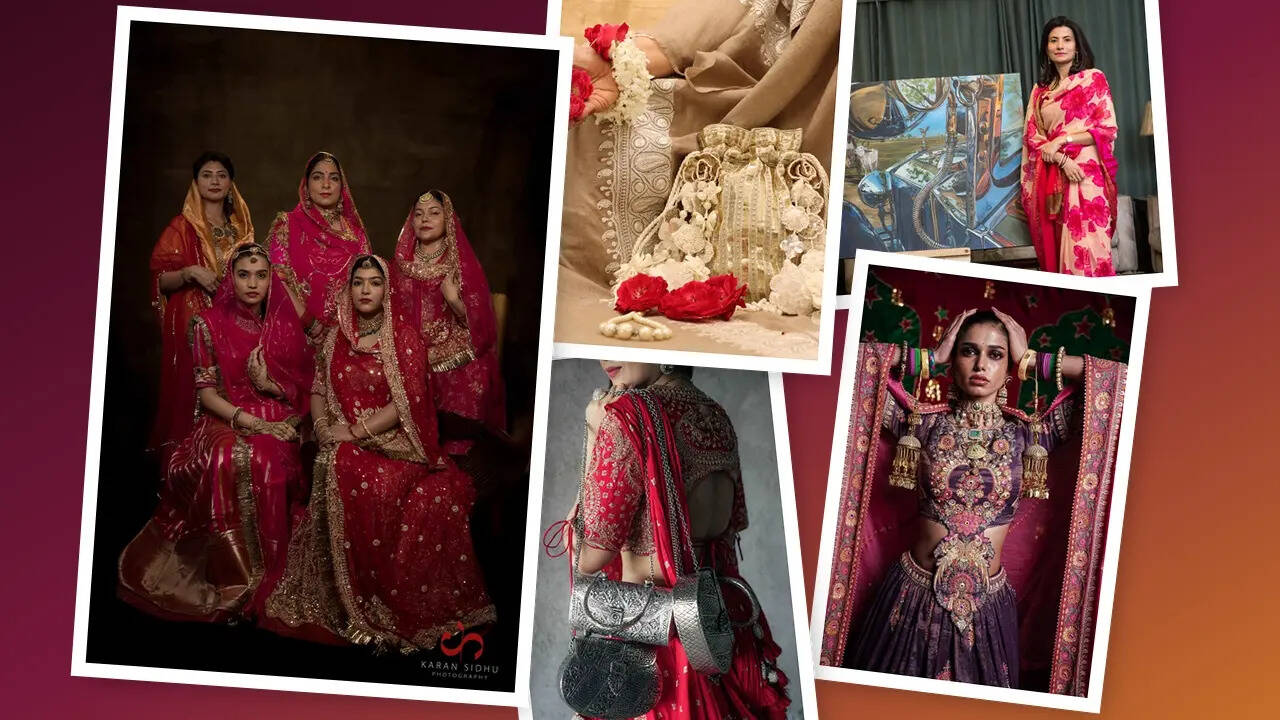
Some of these traditions are also being carried forward by members of India’s erstwhile princely states, who are bringing a slice of that heritage to Delhi with Royal Fables’ Season XVI, The Heirloom Series, which opens on 19 August 2026. The exhibition brings together members of India’s royal families, artisans, designers and cultural custodians, offering a look at what it means to inherit a tradition and give it a place in the present.
For Maharani Rashmi Rajyalaxmi Bhanj Deo of Mayurbhanj, that means allowing heritage to move. The region’s rich craft vocabulary includes Ikat and Phuta Jhala, Sabai and Dhokra, alongside its handloom traditions. Rather than treating these techniques as relics, she is interested in what happens when they encounter contemporary design. “For me, that is the future of heritage: not preserving it behind glass, but allowing it to evolve, find new audiences and create meaningful livelihoods for the communities who have carried these traditions forward,” she says.
Maharani Shailja Katoch of Kangra recalls how the region’s celebrated miniature painting tradition, pioneered under Maharaja Sansar Chand Katoch, had become a dying art. Its revival has been closely tied to the work of artist families who descend from the original Kangra miniature painters, and to the sustained support of Royal Fables founder Anshu Khanna.
“Today this school of art has been revived and the artists who have been the descendants of the original Kangra miniature artists are able to sell their art and support their livelihood,” says Maharani Shailja.
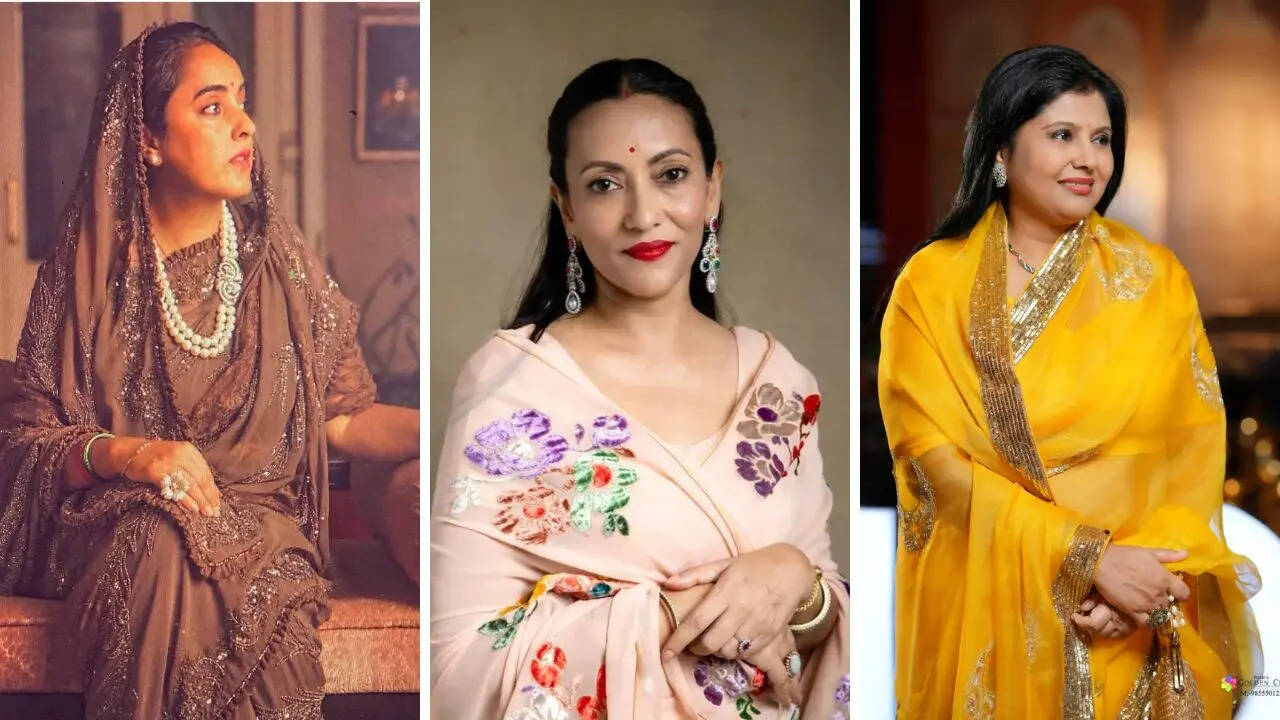
(L-R) Maharani Rashmi Rajyalaxmi Bhanj Deo of Mayurbhanj, Maharani Mandakini Kumari of Santrampur, and Maharani Shailja Katoch of Kangra.
In Santrampur, Maharani Mandakini Kumari is looking in a different direction, towards Chheent, a vibrant textile tradition that has largely remained outside the mainstream story of Indian textiles. The word comes from chheenta, meaning speckled or sprinkled, a fitting description for its lively compositions of flowers, leaves, birds and geometric forms, often rendered in vivid combinations of colour.
Chheent was once part of everyday life in rural and tribal communities, where its vivid motifs reflected the natural world around them. It also has an intriguing history of its own, with motifs that also draw from Persian influences such as the keri, or paisley. Through Ambarhue, Maharani Mandakini is taking these references beyond their traditional setting, translating them into clothing, home textiles and lifestyle pieces.
There is something particularly interesting about this shift. A textile associated with everyday life, and one that has received little attention compared with India’s more celebrated craft traditions, is being reconsidered through the language of contemporary design. “Ambarhue was born from a desire to resurrect Chheent not simply as a textile, but as a piece of living cultural heritage,” Kumari says.
The appeal of Chheent lies in its colour, informality and connection to the landscape, qualities that can feel surprisingly fresh when taken out of their original context.
The Palace Karkhana at The Heirloom Series brings together crafts and ateliers linked to former royal houses, from the block prints of Rani Jaykirti Singh of Baria and shaded chiffons of Rani Dipti Singh of Kacchi Baroda to natural weaves and crafts from Dhenkanal and Mayurbhanj. The wider exhibition moves through jewellery, textiles, miniature painting, furniture, art and handcrafted objects.
“Our greatest inheritance is not the objects we preserve, but the knowledge, artistry and traditions they embody,” says Anshu as she explains what heirloom means to her. “Every heirloom tells a story of patronage, craftsmanship and human imagination.” Her ambition for Royal Fables, she adds, has always been to ensure that India’s living traditions are “not remembered with nostalgia but embraced with pride, relevance and continuity.”
Perhaps that is where the meaning of an heirloom changes. It is no longer simply something passed down. It is something entrusted to us, with the possibility of being reworked, worn, made and eventually passed on again.
Latest News


Namya is a seasoned journalist with nearly two decades of experience. A graduate of Miranda House, Delhi University, and Boston University’s College o… View More
Original source: https://www.timesnownews.com/lifestyle