Delhi Master Plan 2047: 40 Lakh New Homes, 695-Km Metro Network, Taller Buildings – What All Is Planned?
- Edited by: Mansi Arora
- Updated Aug 20, 2026, 19:53 IST
Delhi’s Master Plan 2047 aims to transform the city over the next two decades by focusing on affordable housing, enhanced public transport, and upgraded infrastructure. The 535-page plan includes the construction of approximately 40 lakh housing units, emphasizing smaller homes in key zones to maximise land use.
Delhi Master Plan 2047
Delhi is set for a major transformation over the next two decades with the new Master Plan for Delhi (MPD) 2047 focusing on affordable housing, better public transport, upgraded neighbourhoods and planned urban growth. The 535-page master plan, notified by the Union Ministry of Housing and Urban Affairs, aims to prepare Delhi for a growing population while making the capital more accessible, better connected and more liveable.
Among the biggest proposals are the construction of around 40 lakh housing units and a major expansion of the Metro network.
40 Lakh New Homes For Delhi
Affordable housing is one of the biggest priorities under MPD 2047. The plan proposes new housing in Land Pooling Areas, Transit-Oriented Development (TOD) zones, High Density Corridors and Low Density Areas. Land Pooling Areas and TOD zones alone have the potential to provide around 30 lakh dwelling units.
The plan also promotes smaller homes, with affordable housing units of around 25 to 60 square metres of carpet area. The idea is to make better use of Delhi’s limited land and increase the overall housing supply.
The private sector, developers, landowners, public agencies and cooperative societies will all have a role in creating the new housing stock.
Metro Network To Expand, New Transit Hubs Planned
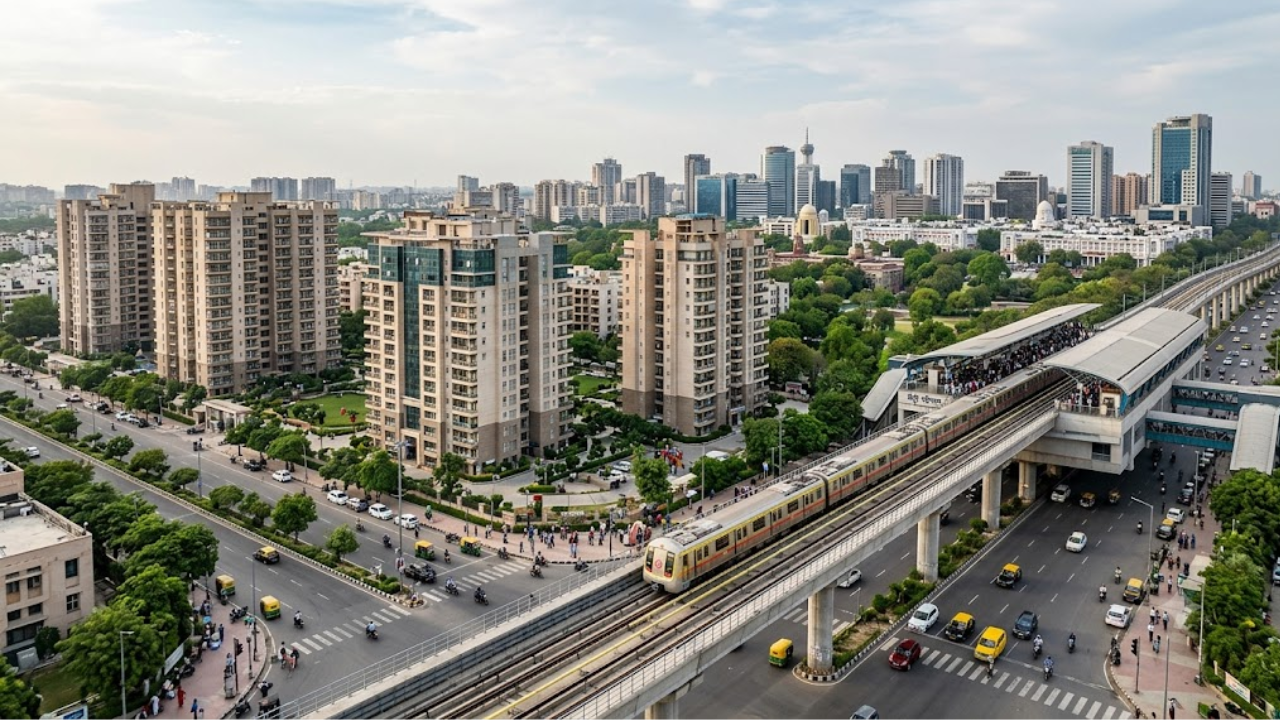
Delhi’s public transport network is also set for a major expansion. The Metro network is planned to reach around 695 km by 2047, according to the announcement. The plan also focuses on integrating different modes of public transport, including Metro, buses and six new Regional Rapid Transit System (RRTS) corridors.
Three major multimodal transit hubs are proposed at Anand Vihar, Sarai Kale Khan and Kashmiri Gate. These hubs are expected to improve connectivity between different transport systems and make daily travel easier for commuters.
The Transit-Oriented Development policy will also support housing close to major transport corridors, with the aim of bringing homes closer to workplaces and public transport.
Existing Colonies To Get A Makeover
MPD 2047 does not focus only on new housing. Several existing residential areas are also proposed for regeneration. This includes DDA flats, cooperative housing societies, government and employer housing, as well as selected resettlement colonies.
Unauthorised colonies could also see area-based redevelopment, with better roads, open spaces, public facilities and access for emergency vehicles.
The plan also proposes regeneration and conservation measures for areas such as the Walled City, Walled City Extension and Karol Bagh, while urban villages with heritage value may follow a mix of redevelopment and conservation.
Rental Housing For Workers, Students
Affordable rental housing is another major part of the plan. Affordable Rental Housing Complexes (ARHCs) will be allowed either separately or as part of new projects. Industrial areas and parks may also have rental housing for workers, including dormitories and small-format homes.
Public agencies may bring vacant or unsold housing into the rental market, while rental housing could also be developed near educational hubs and employment centres.
The plan also proposes exploring rent-to-own models, giving lower-income households another possible route towards home ownership.
Overall, MPD 2047 aims to reshape Delhi through a combination of new homes, stronger public transport, redevelopment of older areas and more affordable rental options, while also protecting important green and heritage areas of the capital.
Latest News


Ardent news writer with a keen eye for global affairs and geopolitical news. With passion for illuminating the complexities of global dynamics, Mansi … View More
Original source: https://www.timesnownews.com/delhi