5 Novels That Help Make Sense Of Ukraine Beyond The Headlines
- Authored by: Girish Shukla
- Updated Aug 21, 2026, 11:30 IST
Ukraine’s history, identity and conflicts come alive through five novels that turn political upheaval into intimate stories of memory, belonging, survival and lives shaped by forces beyond control.
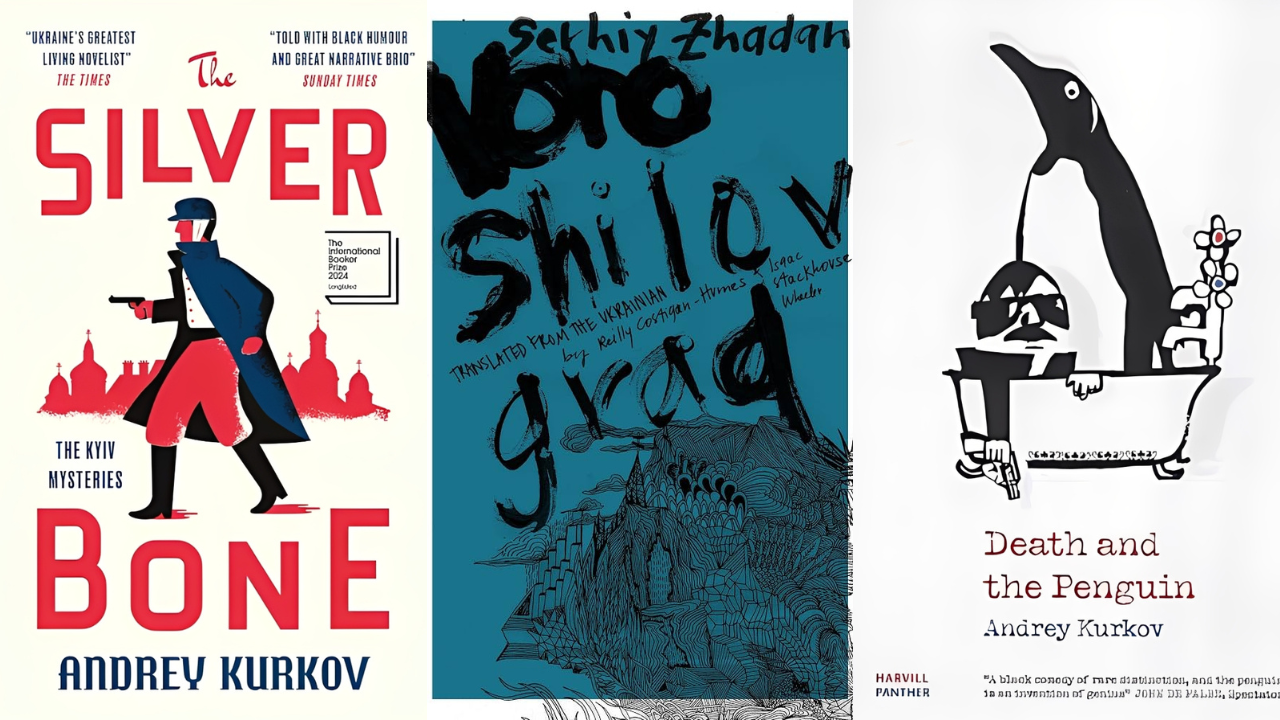
5 Novels That Bring Ukraine’s History And Identity Into Focus (Picture Credit – Pinterest)
Ukraine is often encountered through maps, casualty figures and geopolitical arguments, but fiction restores the lives that statistics flatten. Its cities, villages, borderlands and memories carry histories far older than the present war. These five novels approach Ukraine through different moments, from Soviet collapse and post-independence uncertainty to conflict in the Donbas and the struggles of earlier generations. Together, they offer a more intimate sense of how identity, place and history continue shaping Ukrainian life today.
1. Grey Bees By Andrey Kurkov
Andrey Kurkov’s ‘Grey Bees’ takes readers into the grey zone of eastern Ukraine, where beekeeper Sergey Sergeyich remains in a nearly abandoned village between Ukrainian forces and Russian-backed separatists. His determination to protect his bees becomes a quiet act of survival amid shelling, uncertainty and political division. Kurkov avoids grand speeches about war, instead showing how conflict enters routines, friendships and loyalties. The novel makes geopolitical borders feel painfully human, fragile and unexpectedly ordinary to those trapped between them.
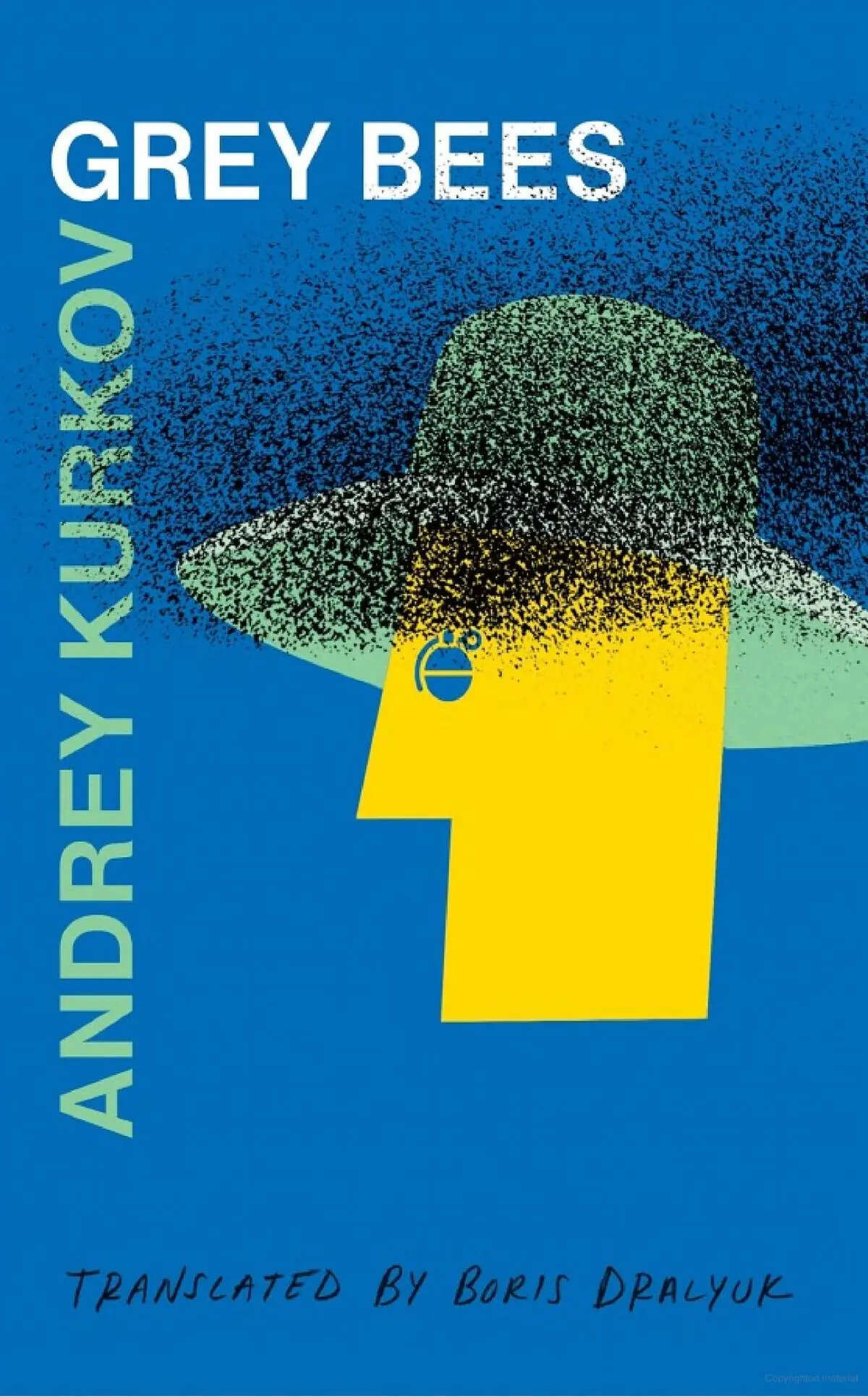
Grey Bees (Picture Credit – Pinterest)
2. Voroshilovgrad By Serhiy Zhadan
Serhiy Zhadan’s ‘Voroshilovgrad’ follows Herman, who returns to eastern Ukraine after his brother disappears and finds himself responsible for the family petrol station. What begins as a reluctant homecoming becomes a confrontation with local gangs, memory and belonging. Zhadan’s industrial landscape feels almost mythic, populated by people who resist being easily categorised. The novel captures the complicated attachment Ukrainians can have to places shaped by Soviet history, economic decline and regional identity, long before those tensions became global headlines.
3. Death And The Penguin By Andrey Kurkov
‘Death and the Penguin’ is one of the sharpest fictional portraits of post-Soviet Kyiv. Viktor, a struggling writer, is hired to prepare obituaries for prominent people who are still alive, only to realise the assignment may be connected to something far more sinister. His pet penguin, Misha, adds absurdity to an already strange world. Beneath the dark humour, Kurkov exposes corruption, organised crime and the instability of a society adjusting to independence after the Soviet Union’s collapse.
4. The Museum Of Abandoned Secrets By Oksana Zabuzhko
Oksana Zabuzhko’s ‘The Museum of Abandoned Secrets’ reaches across generations, connecting contemporary Ukraine with the hidden histories of the twentieth century. Through family memories, political resistance and buried trauma, the novel examines how Soviet repression and the Ukrainian nationalist underground continued shaping lives long after events themselves had passed. Zabuzhko is interested in what families remember, what they suppress and what later generations inherit unknowingly. The result is demanding but invaluable for understanding why historical memory remains politically powerful.
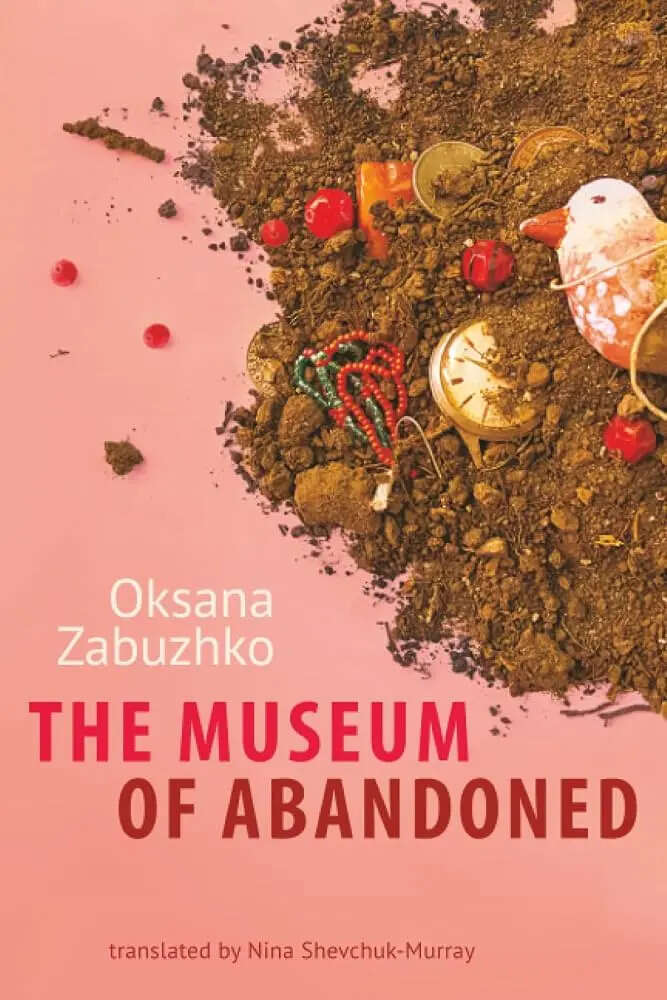
The Museum of Abandoned Secrets (Picture Credit – Amazon)
5. The Silver Bone By Andrey Kurkov
‘The Silver Bone’ transports readers to Kyiv in 1919, when the city was repeatedly changing hands amid revolution, civil war and competing claims over Ukraine’s future. Samson Kolechko, recovering from personal tragedy, unexpectedly becomes involved with the new Soviet police and is drawn into a murder investigation. Kurkov uses detective fiction to make political chaos tangible. The novel reveals how uncertainty, violence and shifting authority shaped everyday life in a city caught between collapsing empires and emerging national ambitions.
Taken together, these novels resist the temptation to reduce Ukraine to a single war or political argument. They reveal a country shaped by competing memories, interrupted histories, regional identities and ordinary people trying to preserve dignity amid forces larger than themselves. Fiction cannot replace history, but it can make history intimate. The reward here is not a neat explanation of Ukraine, but something more valuable: an understanding of why its past continues to live so insistently inside its present.
Latest News


Seasoned Editor and Author with over a decade of experience in literary journalism, author interviews, and publishing trends. Known for curating impac… View More
Original source: https://www.timesnownews.com/lifestyle