Trump Suspends Tariffs On 300,000 Tons Of Ground Beef, Targets 25% Price Cut
- Authored by: Samannay Biswas
- Updated Aug 22, 2026, 02:25 IST
President Trump has announced a temporary removal of tariffs on up to 300,000 metric tonnes of imported ground beef for 90 days to combat rising grocery prices and a cattle supply shortage.
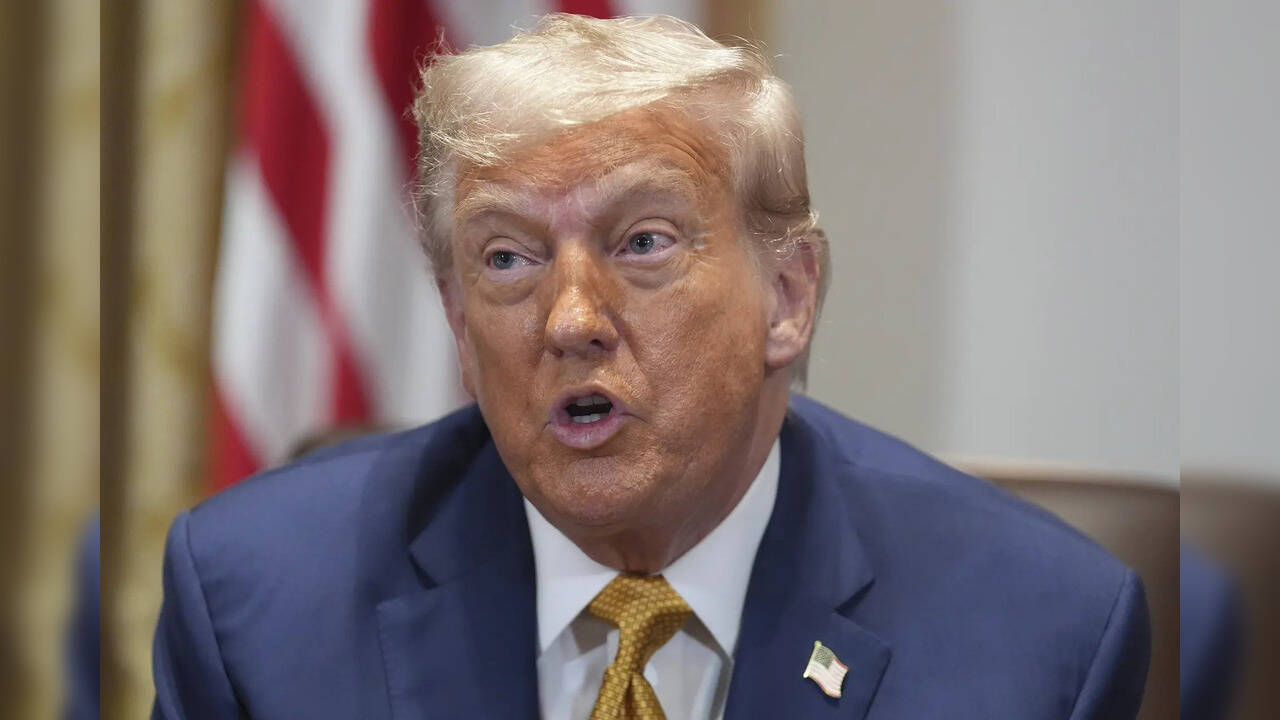
Existing tariff-rate quotas allow limited quantities of beef imports from individual countries to enter the US at a tariff of 4.4 cents per kilogram. (AP Photo/Evan Vucci)
US President Donald Trump has announced plans to temporarily remove tariffs on up to 300,000 metric tonnes of imported ground beef for 90 days, as his administration seeks to bring down sharply rising grocery prices and address a severe shortage in the country’s cattle supply. Trump said on Friday that the move would allow additional beef into the US market while American ranchers rebuild herds that have fallen to their lowest level in decades.
In a post on Truth Social, Trump blamed the previous Biden administration for the decline in the US cattle herd and said he remained committed to reducing beef prices by 25 per cent. The proposed tariff suspension is intended to provide consumers with some relief while giving domestic ranchers time to increase production.
Beef imports to get temporary tariff relief
Existing tariff-rate quotas allow limited quantities of beef imports from individual countries to enter the US at a tariff of 4.4 cents per kilogram. Imports beyond those quotas currently face a much higher tariff of 26.4 per cent, according to the US Department of Agriculture.
A White House official said Trump is expected to sign an executive order suspending the out-of-quota tariffs within the next two weeks.
The Agriculture Department said the move reflected Trump’s effort to lower the cost of everyday goods while supporting farmers and ranchers and rebuilding the country’s cattle supply.
The administration has not yet disclosed which countries would provide the additional beef or whether the imports would remain subject to the existing 4.4-cent-per-kilogram tariff.
Ground beef prices hit record highs
Beef has emerged as one of the most expensive items in the US grocery basket, adding pressure on the Trump administration ahead of the November midterm elections.
Ground beef sold for an average of $6.89 per pound in July, according to data from the Federal Reserve Bank of St Louis. That represented a 10 per cent increase from a year earlier and a 57 per cent rise over five years.
Other beef products have also become more expensive. Roast beef prices were 13.5 per cent higher than a year earlier, while steak prices increased 9.6 per cent, according to Bureau of Labor Statistics data.
US cattle herd at 75-year low
The US cattle industry is facing a prolonged supply squeeze. The country began this year with about 86.2 million cattle and calves, the smallest herd recorded since the 1950s, according to Agriculture Department data.
The shortage has been worsened by drought, high feed costs and disruptions to cattle imports. Severe drought conditions in parts of the country have reduced grazing land, forcing ranchers to rely more heavily on expensive feed.
An outbreak of New World screwworm in Mexican cattle herds also disrupted supplies and led the US to suspend cattle imports from Mexico in 2024.
US officials last month announced plans to reopen southern border ports to Mexican cattle. Before the suspension, Mexico supplied roughly 1 million cattle to the US each year.
Ranchers push back against import plans
Trump’s proposal has faced resistance from sections of the US cattle industry. Ranchers and cattle organisations have argued that increased imports could put further pressure on domestic producers already dealing with high fuel, feed and operating costs.
The administration has previously taken steps to increase beef supplies. Trump signed an order in February to increase beef imports from Argentina by 80,000 metric tonnes. His administration has also pushed for a Department of Justice antitrust investigation into the country’s largest meatpacking companies and announced a $500 million support programme for smaller meat processors.
However, rebuilding the US cattle herd is a slow process. Ranchers may need roughly two years to expand breeding herds significantly, meaning the administration’s tariff move is unlikely to resolve the underlying supply shortage immediately.
Meatpackers also feel the pressure
The beef shortage has affected major meat processors, including Tyson Foods and JBS. Tyson last week announced plans to close a major beef-processing plant in Illinois, its second such closure this year.
At the same time, demand for beef remains strong. Americans are expected to consume about 29 billion pounds of beef this year, according to government estimates.
Strong demand combined with limited supplies has pushed cattle prices higher and encouraged some ranchers to sell more animals for slaughter. That has reduced the number of cattle available for breeding and contributed to the longer-term supply squeeze.
Trump’s proposed 90-day tariff suspension is therefore aimed at providing immediate relief to consumers while domestic producers work to rebuild the nation’s cattle herd.
Latest News


Working as Copy Editor at the Business Desk of Times Now Digital. Dedicated towards crafting interesting financial stories. Previously covered financi… View More
Original source: https://www.timesnownews.com/latest-news