
Delhi-NCR Swine Flu Alert: Health Advisory Issued, Here’s What Residents Need To Know
- Authored by: Simran Sukhnani
- Updated Aug 23, 2026, 10:39 IST
H1N1 Cases Rise Swine Flu Alert in Delhi-NCR as Delhi records over 1,700 H1N1 cases this year, prompting a health advisory. Here are the warning signs, precautions and key measures residents should know amid the surge.
Swine flu cases surge in Delhi (Credits: iStock)
Delhi is seeing a sharp rise in seasonal influenza cases, with H1N1, commonly known as swine flu, emerging as the dominant strain. More than 1,777 H1N1 cases have been recorded in the national capital so far this year, prompting the Delhi government to issue a public health advisory and step up surveillance across hospitals. What makes the current rise particularly notable is how quickly the numbers have climbed. Delhi recorded 114 fresh H1N1 infections on Thursday alone. Overall, the capital has reported 2,392 Influenza-A cases in 2026, of which 1,777 are H1N1 infections. The city has also recorded cases of other influenza strains, including H1 and H3.
How Big Is Delhi’s Swine Flu Wave?
The increase is considerably higher than the corresponding period last year. Delhi had already recorded about 229 H1N1 cases as compared to the wave that it recorded in 2025. This means that this year’s swine flu cases tally of 1,777 is representing a 7x increase. In the past 14 years only 433 new swine flu cases have been reported and this is highlighting a bigger problem in the pace with which the infections are being detected. This surge has also led the authorities to strengthen the monitoring of influenza-like illnesses and other severe respiratory infections. A total of 35 hospitals have been placed under special surveillance. At the same time, AIIMS and the National Centre for Disease Control (NCDC) have also been identified as referral laboratories for testing and monitoring.
Swine flu in delhi (Credits: Canva)
Despite such a major jump in the number of cases, health authorities have stressed that there is no need for panic and the focus also remains on early detection, timely treatment and the prevention of transmission. This is particularly in people who are more vulnerable to complications.
What Symptoms Should You Watch For?
H1N1 can initially look like an ordinary bout of flu. Common symptoms include fever, cough, sore throat, runny nose, headache, body aches and significant tiredness. Some people may recover without complications, but influenza can become more serious in certain cases. Young children, older adults, pregnant women and people with underlying health conditions or weakened immunity need to be particularly cautious. Difficulty breathing, chest discomfort, falling oxygen levels, confusion or symptoms that rapidly worsen should not be ignored and require prompt medical attention.
Delhi Government Health Advisory
The Delhi government has urged residents to practise respiratory hygiene, wear masks in crowded places and avoid unnecessary close contact with people who are unwell. People developing flu-like symptoms have also been advised to seek medical advice rather than ignoring persistent or worsening symptoms. Regular handwashing, covering the mouth and nose while coughing or sneezing, staying home when sick and avoiding crowded settings when experiencing symptoms can also help reduce transmission.
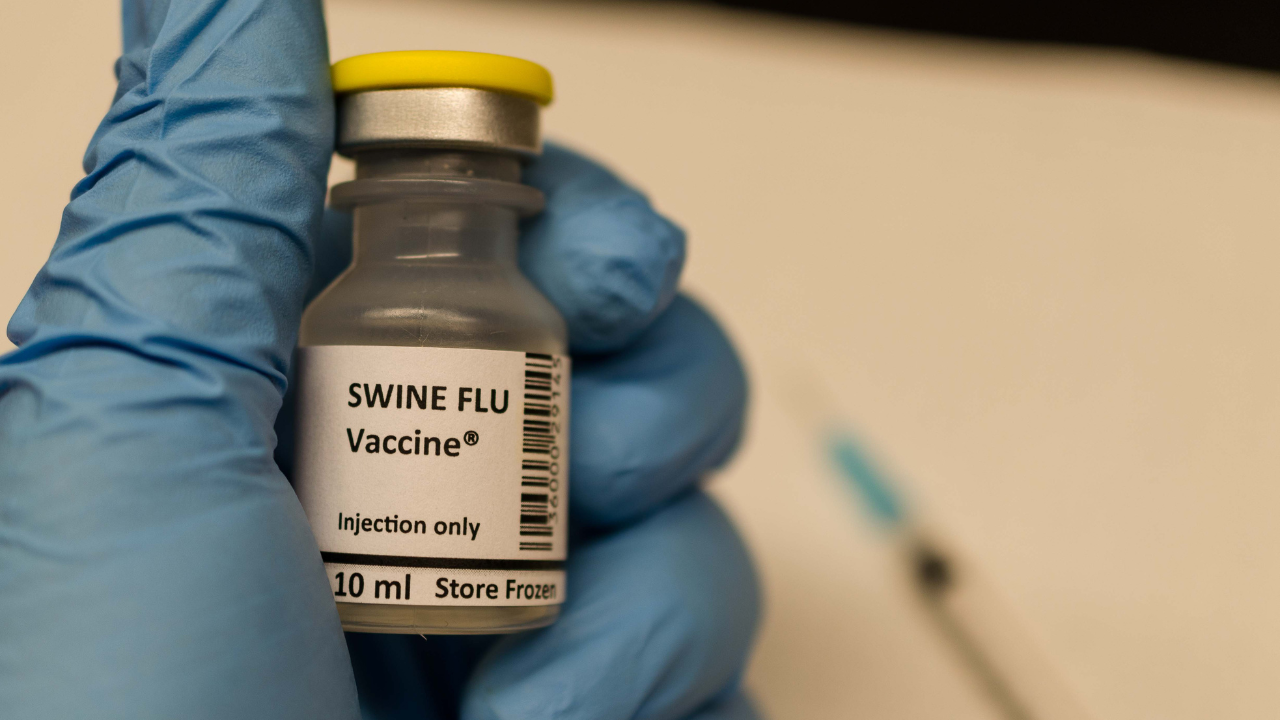
Delhi Swine Flu Cases (Credits: Canva)
Authorities have simultaneously directed hospitals and district health officials to strengthen screening and reporting of influenza-like illness, severe acute respiratory infections and confirmed influenza cases.
For Delhi residents, the message is simple: the numbers are high enough to warrant caution, but not panic. With H1N1 accounting for the majority of Influenza-A infections reported in the capital, paying attention to symptoms and seeking timely medical care could make an important difference as the current flu wave continues.
Latest News


Simran covers books that start conversations, beauty insights, fashion moods, and stories that make people feel something. Off duty? You’ll find her c… View More
Original source: https://www.timesnownews.com/lifestyle