‘Entering Endgame’: US Treasury Secretary Scott Bessent Announces ‘Economic D-Day’ Against Iran
- Edited by: Rounak Bagchi
- Updated Aug 24, 2026, 06:55 IST
While the US seeks to minimize military action through financial isolation, experts remain skeptical about the effectiveness of further sanctions given Iran’s existing resilience and capabilities.
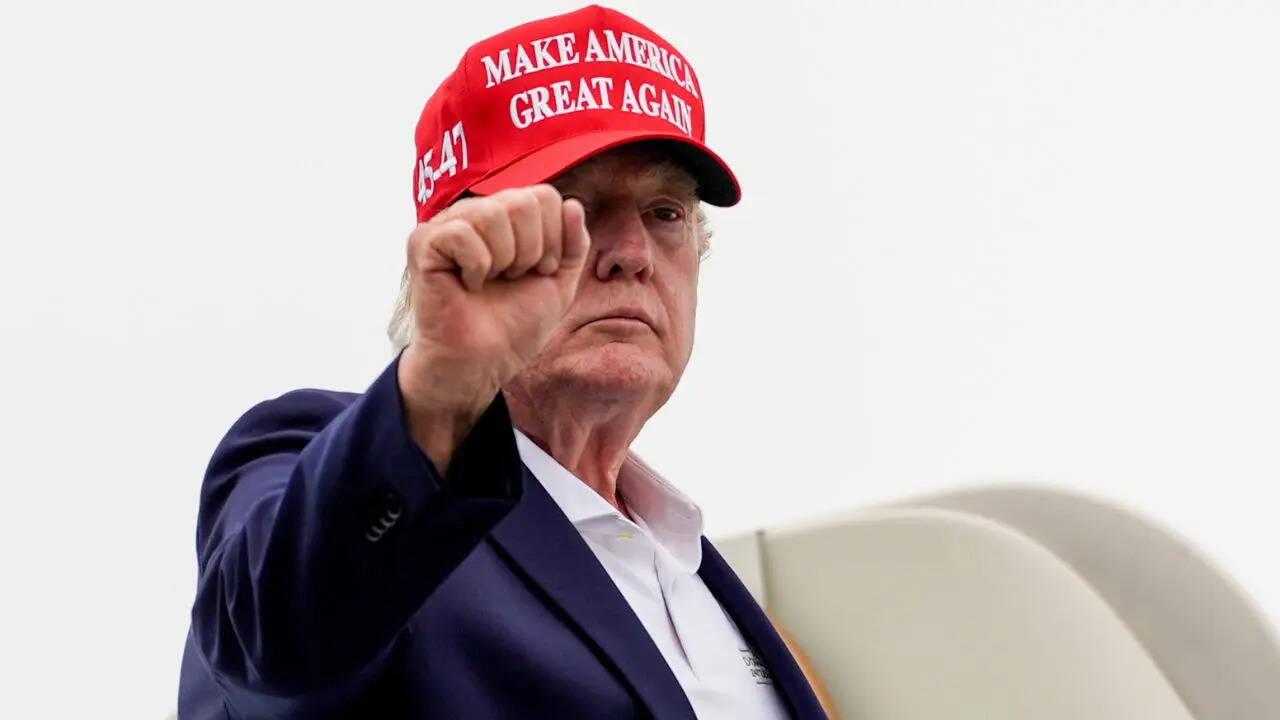
US President Donald Trump.
US Treasury Secretary Scott Bessent has announced what he described as an “economic D-Day” against Iran, vowing a sweeping campaign to isolate the country financially. In a Financial Times opinion article published on Sunday, Bessent called the measures “the single greatest financial offensive ever marshalled against an adversary” and said the US would seek to sever what he called every remaining economic lifeline sustaining Iran’s government.
The campaign is expected to target countries and companies that buy or transport Iranian oil, process payments, register ships, host Iranian flights or facilitate ship-to-ship fuel transfers. Bessent said countries that act as Tehran’s “financial artery” risked becoming a “global pariah”.
He is due to hold a press conference on Monday to announce the new sanctions, which he previously described to CNBC as the greatest campaign of “coordinated economic isolation in the history of the world”.
Bessent said Washington would use its “full might” against countries that continued doing business with Iran. “We are going to them and saying you are either with us or against us,” he told CNBC on Thursday. “It is time for our allies and the rest of the world to make a decision, and we are going to squash the economy of this murderous regime.”
He said the US would impose the “toughest sanctions in history” in an effort to “collapse” the Islamic Republic.
President Donald Trump has also threatened severe financial penalties against countries helping Iran evade US sanctions. In a post on Truth Social last week, he described the campaign as “Economic Warfare and Isolation on an unprecedented scale”.
Bessent argued that complete financial isolation could reduce the need for further US military action, while warning that Washington would respond “swift and decisive” if Iran retaliated by attacking US forces or Gulf states.
The campaign comes as the US and Iran remain locked in a wider conflict, with Washington seeking to increase pressure on Tehran after its military campaign against the country.
Iran’s Islamic Revolutionary Guard Corps has rejected the US threats. An IRGC spokesperson said Iran had ways “to counter the adverse effects of the enemy’s war” and could “easily establish economic relations with countries”, according to Iranian state media. “The US President says that he ordered an economic war and launched the most severe economic campaign against Iran,” the spokesperson said. “This amounts to an implicit admission of the enemy’s humiliating defeat in the military arena.”
But analysts questioned whether another round of economic pressure would force Tehran to change course.
Iran is already one of the world’s most heavily sanctioned countries, said Helima Croft, head of global commodity strategy at RBC Capital Markets.
“Iran still has significant disruptive capabilities,” Croft told CNBC, pointing to Tehran’s ability to threaten shipping through the Strait of Hormuz and target infrastructure in the Middle East. “The question is how is this going to change with additional economic sanctions,” she said.
Latest News


Rounak is a journalist with over 7 years of experience covering geopolitical and international affairs. He has a keen interest in research and explain… View More
Video
Original source: https://www.timesnownews.com/delhi