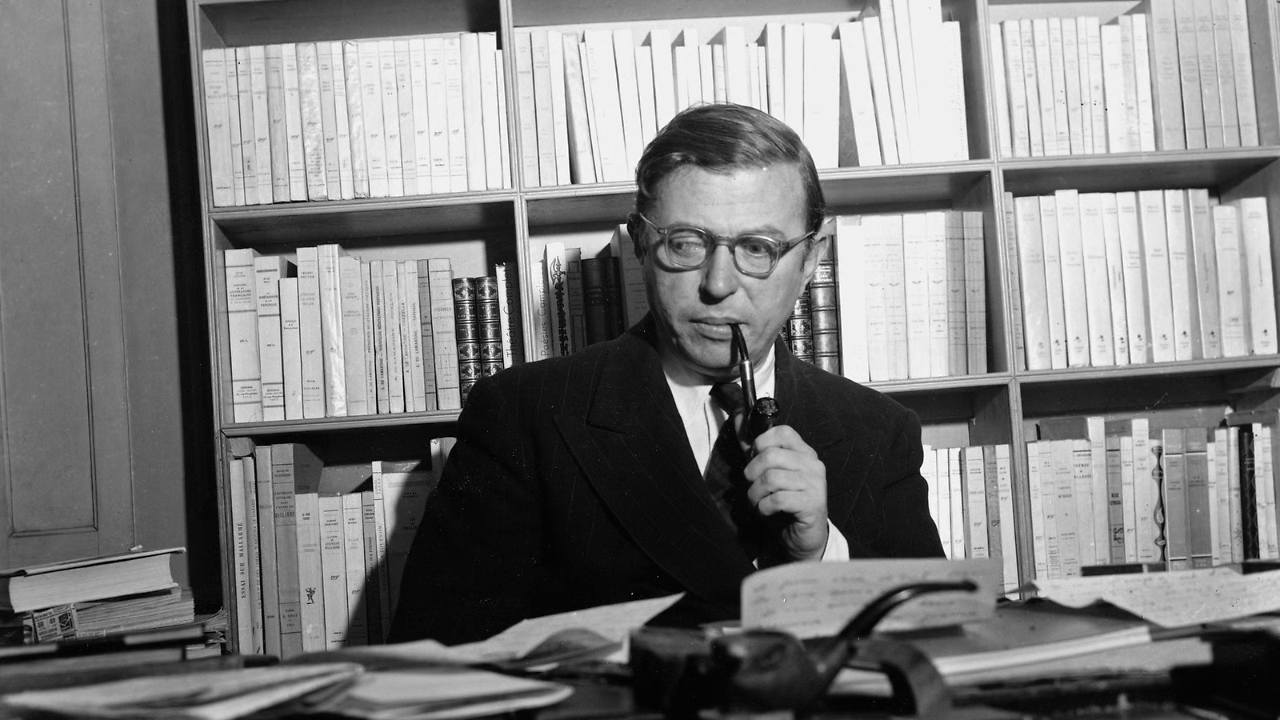
Jean-Paul Sartre Refused The Nobel Prize 62 Years Ago For a Reason Few Expected
\n\nOn 22 October 1964, Jean-Paul Sartre received news that most writers could only dream of hearing. The Swedish Academy had awarded him the Nobel Prize in Literature, recognising his extraordinary influence on philosophy, fiction and intellectual thought. Yet the French philosopher had no intention of accepting it. Sixty-two years later, his refusal remains one of literature's most extraordinary acts of defiance, raising questions about the relationship between artistic independence, public recognition and personal conviction.
\n\nBy 1964, Sartre was already among Europe's most influential intellectuals. His novel 'Nausea' (1938), philosophical work 'Being and Nothingness' (1943), and play 'No Exit' (1944) had established him as a leading figure in existentialism. The Swedish Academy honoured him for writing that embodied freedom, truth and intellectual independence. Ironically, those very principles would become central to his rejection.
\n\nSartre had learnt through newspaper reports that he was being considered. Before the official announcement, he wrote to the Academy asking not to be selected, but his request arrived too late to prevent the decision. The prize was awarded regardless, leaving Sartre to explain publicly why he could not accept it.
\n\nSartre's refusal was…
Original source: https://www.timesnownews.com/lifestyle