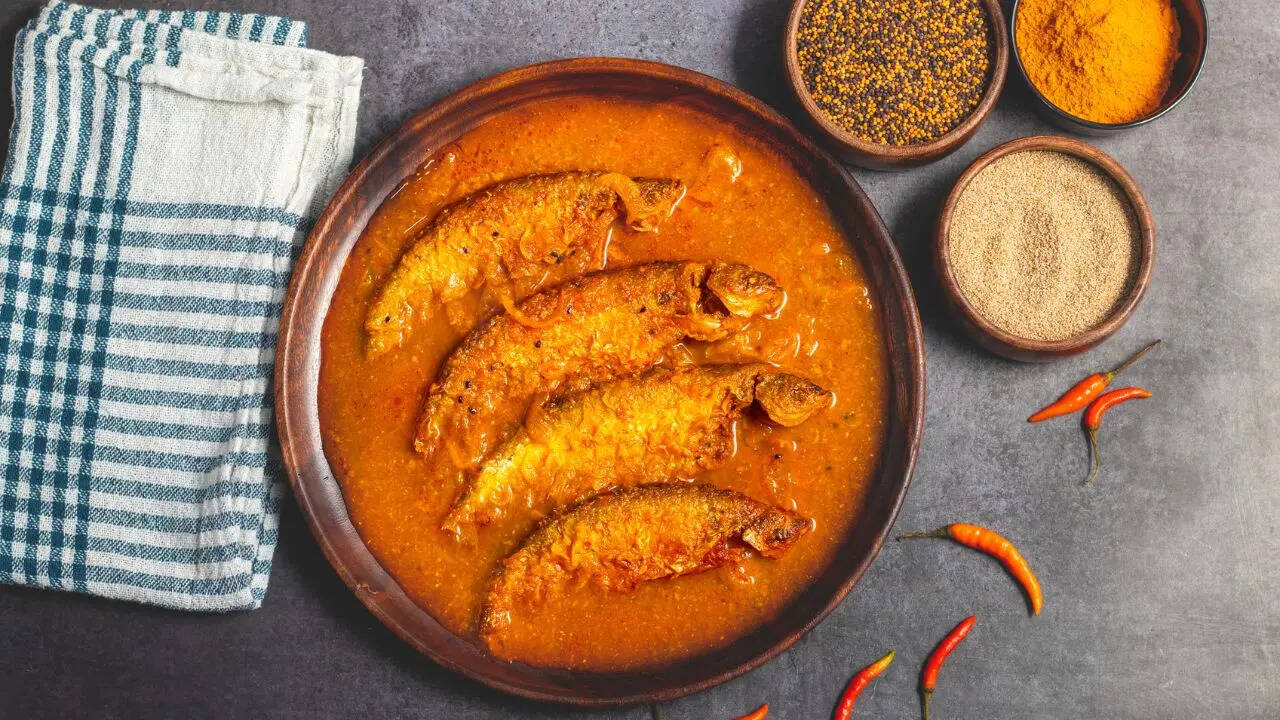
The Curious Case Of Poppy Seeds: Bengal’s Beloved Posto And Why It Can Trigger A Drug Test
Loved across Indian kitchens for their nutty flavour and creamy texture, poppy seeds are a star ingredient in everything from posto to payasa. So why can they raise a red flag in drug tests?
Pilots are being advised to avoid foods containing poppy seeds. The warning follows drug testing conducted on pilots after the severe turbulence experienced on the August 4 Air India Phuket-Delhi flight. The Airline Pilots’ Association of India (ALPA India) cautioned that certain everyday foods and over-the-counter medicines could potentially interfere with mandatory drug tests.
Among its advisories, the association has asked pilots to stay away from foods heavily laced with poppy seeds in the days before flight duty. The reason is simple: poppy seeds can carry traces of morphine, which may result in a false-positive opiate reading during drug screening.

Poppy seeds, known as posto in Bengali and khus khus in Hindi, are a much-loved ingredient in Indian cooking. (Photo: iStock)
Poppy seeds have been part of Indian kitchens for centuries. In Bengal, it’s called posto and is one of the most important and beloved ingredients in Bengali cuisine. In Hindi, they are commonly called khus khus, and they are used across several parts of the country, including Odisha, Bihar, Tripura and Assam. Down south, poppy seeds also feature in the cuisines of Karnataka, Andhra Pradesh and Tamil Nadu.
Aloo Posto, Bengal’s beloved potato dish made with poppy seeds, green chillies and mustard oil. (Photo: iStock)
The seeds are usually soaked and ground into a paste, then cooked with mustard oil and green chillies. Potatoes become aloo posto. Banana blossoms become mochar shorshe posto. Prawns become Chingri Posto. There is even Khashir Mangsho Posto, made with mutton, while the chicken version is known as Posto Murgi.
And posto does not stop at curries. The seeds can be roasted and used to coat cutlets and chops, adding a delicate nuttiness and crunch.
The ingredient itself is wonderfully understated. Ground posto has a creamy, almost velvety texture, with a mild nutty flavour that works well with the pungency of mustard oil and green chillies.
Chingri Posto (Photo: iStock)
That simplicity is perhaps best captured by aloo posto, where potatoes are cooked with a poppy-seed paste to create one of Bengal’s most beloved comfort foods. Served with steamed rice, it is a dish that looks almost modest on the plate (with the pricey posto making it a more premium version), but Bengali food culture is incomplete without it.
Savoury to Sweet, Poppy Seeds Do It All
The story of our beloved posto does not end with savoury food. In Bengal, posto can also make its way into mithai. Roshkadam, also known as Posto Kadom or Posto Kadam, is a particularly delish Indian dessert. A sweet chhena, or cottage cheese, ball is generously coated in white roasted poppy seeds, giving the dessert a delicate crunch and a distinctive appearance.
Further south, Karnataka has Gasagase Payasa, a traditional sweet dish made with poppy seeds and coconut milk. The seeds are ground and cooked into a creamy preparation that sits somewhere between a kheer and a pudding.
Poppy seeds also have a place in Kayastha cuisine, where they are used to thicken gravies and enrich kormas. In some homes, khus khus ki sabzi is prepared as a dry or semi-dry dish with dal. In Bihari Kayastha cooking, Thande Masale Ki Machli brings together fish, poppy seeds and mustard.
Khas Khas Besan Laddoo: A delicious Indian sweet made with poppy seeds and roasted chickpea flour. (Photo: iStock)
So why has such a tiny seed become the subject of a warning for pilots?
What Is It About Poppy Seeds That Can Affect A Drug Test?
Posto or khus khus are the small, pale seeds of the opium poppy, Papaver somniferum. The plant is associated with naturally occurring opiate compounds, although the culinary seeds themselves are not intended to produce an intoxicating effect.
According to WebMD, “Poppy seeds do not naturally contain any opiates. However, they may be coated with large amounts of opiates from another part of the poppy plant.”
That distinction is important.
Poppy seeds can carry trace opiate compounds, making them a regulatory concern and a potential factor in drug-test results. (Photo: AI Generated)
The concern is not that eating a plate of aloo posto will make someone intoxicated. Rather, depending on how the seeds have been harvested and processed, traces of opiate compounds can remain on their surface. Modern drug tests can be sensitive enough to detect them.
That is why poppy seeds have occasionally attracted regulatory attention.
The advisory issued by ALPA India reads: “Avoid poppy seeds/khuskhus used in Indian cooking, such as in biryani and curries, in the days before flying duty, given their potential to trigger non-negative opiate/cannabis screens.”
The possibility of food affecting drug tests is not entirely new.
A paper by medicine specialist Gary Reisfield, published by the University of Florida College of Medicine, notes that poppy seeds do not contain enough opiates to intoxicate a person. However, because drug tests are highly sensitive, consuming certain foods containing poppy seeds can result in positive urine tests for opiates, particularly morphine, codeine or both.
The paper also points out that it can be difficult to know which food products might cause a positive result because their opiate content is not generally listed on food labels.
For most people, that may sound like an obscure technicality. For pilots, whose careers depend in part on passing mandatory drug screening, it is considerably more consequential.
Countries Where Poppy Seeds Are Restricted
The relationship between poppy seeds and the law becomes even more complicated outside India.
Poppy seeds are banned or heavily restricted in countries including Singapore, China, Taiwan, Saudi Arabia and the UAE, although the precise regulations differ from country to country.
In Singapore, poppy seeds are classified as prohibited goods by the Central Narcotics Bureau. In the UAE, possession of poppy seeds can carry serious legal consequences, including fines and, in some circumstances, imprisonment.
It is a curious fate for such an ordinary, a but little pricey kitchen ingredient.
In one part of the world, poppy seeds are soaked, ground on a stone and stirred into mustard oil to make a beloved Bengali comfort food. In another, they can attract the attention of customs officials. And for an airline pilot, the same tiny seeds could potentially complicate a drug screening.
For Bengal and certain parts of India, however, posto remains what it has always been: a humble little seed capable of making potatoes, vegetables, fish, meat and even sweets taste unmistakably like home.
Original source: https://www.timesnownews.com/lifestyle