Food Safety Crackdown Now Hits Bengaluru: How To Make Sure Your Kebab Is Safe To Eat
- Authored by: Simran Sukhnani
- Updated Aug 18, 2026, 13:28 IST
Bengaluru’s latest food safety crackdown has flagged unsafe shawarma and kebab samples. Here’s how consumers can spot potential risks and ensure their favourite kebabs are safe to eat.
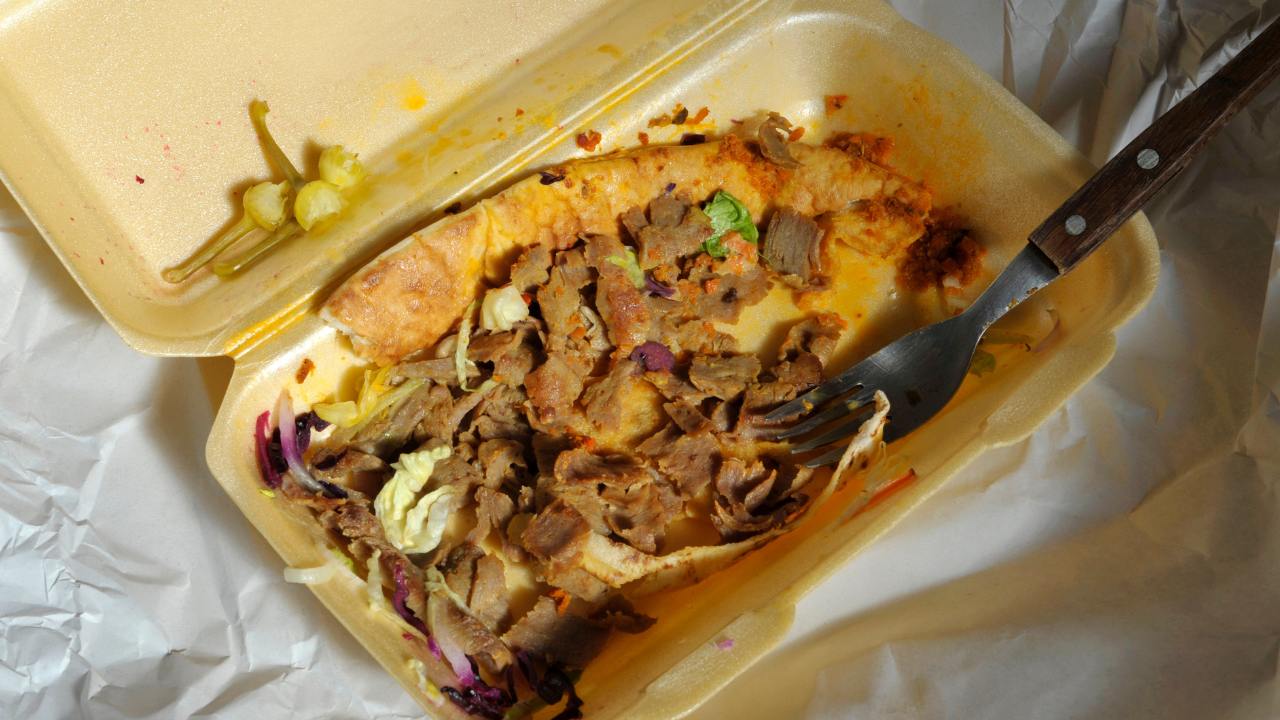
Stale Shawarma (Credits: iStock)
After the intensive Blinkit debacle in Maharashtra, food safety concerns are once again under the spotlight, but this time in Bengaluru after Karnataka’s food safety authorities intensified inspections across the city and the state. The latest crackdown has put several food businesses under scrutiny, with samples of shawarma and kebab among those found unsafe, while checks have also flagged concerns around milk and other food products. The wider enforcement drive has involved inspections at restaurants, hotels, food stalls and other establishments, with thousands of food samples being collected for testing.
For kebab lovers, the news may raise an obvious question: how do you know whether the juicy, smoky kebab on your plate is actually safe to eat?
How To Identify
The first thing to look at is how the meat is cooked. Meat and poultry need to reach a safe internal temperature to kill harmful bacteria. FSSAI guidance recommends cooking meat and poultry to 75°C, with its FAQ advising that 75°C should be maintained for at least two minutes. Importantly, colour alone cannot tell you whether meat is safely cooked.
This matters particularly for kebabs made with minced meat. Unlike a whole cut of meat, minced meat can potentially carry bacteria from the surface throughout the mixture. So if a kebab looks charred on the outside but is still raw or noticeably pink and undercooked in the centre, it is better to send it back rather than take the risk.
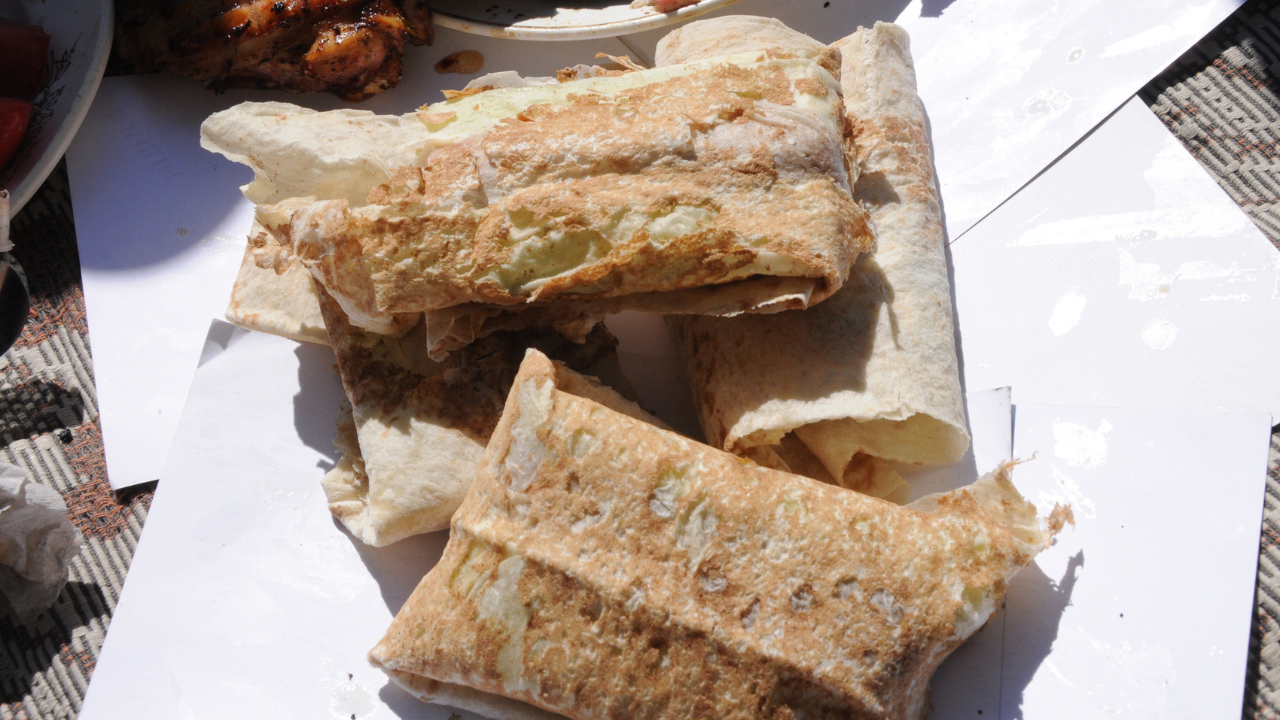
Stale meat (Credits: iStock)
Watch Where The Kebab Is Being Stored
Temperature control is another major part of food safety. Raw meat should be kept properly chilled, while cooked food needs to be protected from contamination. FSSAI recommends storing chilled meat at or below 4°C, with frozen meat maintained at -18°C or below. Meat should also not be left sitting at room temperature for long periods.
This is where customers can actually use their eyes. If you can see raw meat sitting uncovered, cooked kebabs being kept next to raw meat, or food being handled repeatedly without basic hygiene, consider it a red flag.
A common assumption is that unsafe meat will always smell terrible. Unfortunately, that is not a reliable safety check. Some harmful bacteria may not noticeably change the smell, appearance or taste of food. That means a kebab looking perfectly normal does not automatically make it safe. Good food hygiene, proper cooking and temperature control matter far more than appearance alone.
Be Careful With Cross-Contamination
A freshly cooked kebab can also become contaminated after cooking if it comes into contact with raw meat, dirty utensils or unclean surfaces. FSSAI specifically advises keeping raw meat separate from ready-to-eat foods and never placing cooked food on a plate that previously held raw meat unless it has been properly washed.
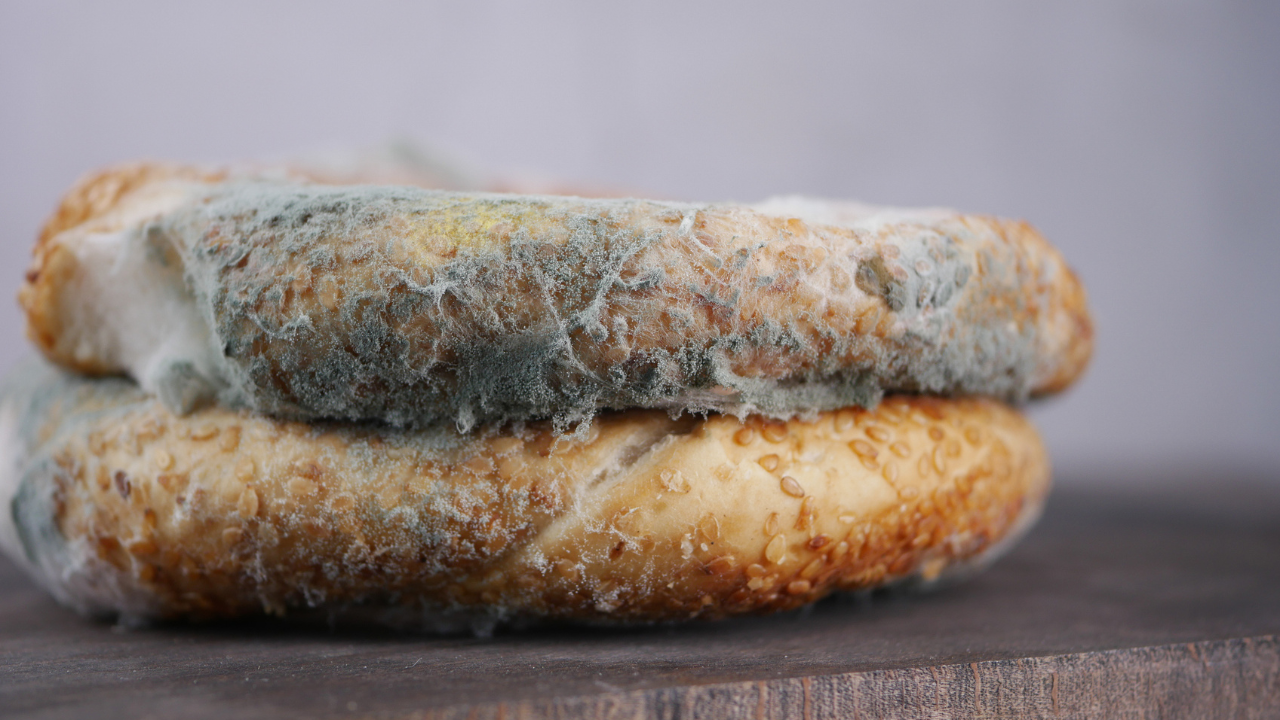
FDA raids over stale food (Credits: iStock)
So, if you are ordering kebabs, pay attention to the basics: is the meat cooked thoroughly, is the outlet maintaining cleanliness, is raw meat kept separately and is the cooked food handled hygienically?
Bengaluru’s latest crackdown is a reminder that food safety is not something consumers should have to think about only after falling sick. While inspections and laboratory testing remain the responsibility of authorities, a little caution at the counter can help you make a safer choice, especially when that next plate of kebabs is calling your name.
Latest News


Simran covers books that start conversations, beauty insights, fashion moods, and stories that make people feel something. Off duty? You’ll find her c… View More
Original source: https://www.timesnownews.com/lifestyle