‘Chrome Plates’ are the Latest South Asian Staple Being Rebranded as a Modern-Day Find
- Authored by: Aalokitaa Basu
- Updated Aug 18, 2026, 12:28 IST
‘This or that’ except ‘this’ came way before ‘that’ and is the latest addition to a long list of South Asian culture staples being whitewashed with fad-driven names.
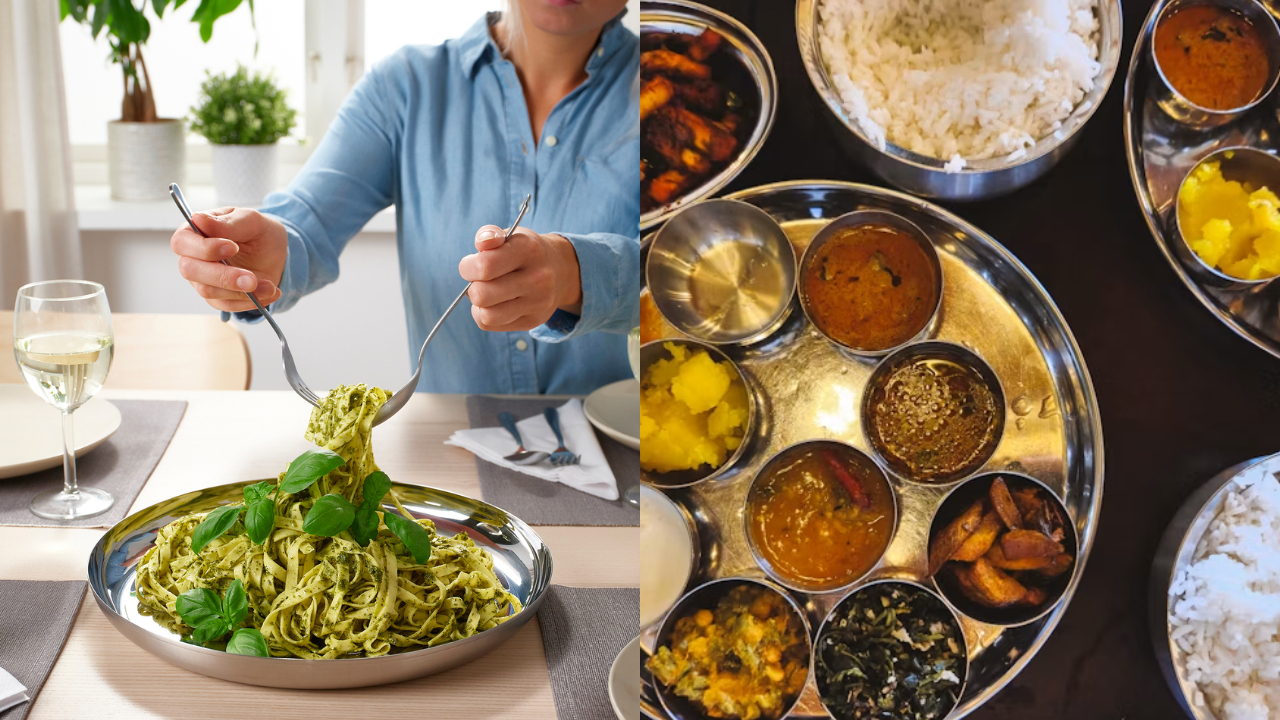
‘Chrome plates’ are just rebranded steel thalis (Credit: IKEA, Unsplash)
It’s cool to be South Asian these days. Except not really?
The dilemma is obvious. The western world can’t help but wrap their lives in pieces of South Asian culture. Never mind the absolute lack of acknowledgement about the origin story of these items and aesthetics they have only just discovered, but we, have been living out lives in across generations. If you remember the whole hullabaloo over the Scandi scarf controversy followed by the Ibiza aesthetic tussle – and then turned into a keyboard warrior during the Prada Kolhapuri fiasco followed by the luxury giant very shamelessly launching their chai-inspired le infusion shortly after, brace yourselves for the latest addition to this roulette of appropriation – ‘chrome plates’.
What are ‘Chrome Plates’?
Steel thalis. That’s it, nothing more, nothing less. Over the past few days, Swedish lifestyle giant, IKEA is being lauded for putting a new mutant strain of crockery on its racks for sale. Called the ‘Ikea TUVHÄTTA Serving Plate’ and marked as ‘stainless steel’, there seems to be no mention of the fact that what’s up for grabs is literally a steel thali, a crockery staple in South Asian dining culture, for generations now.
For the longest time, copper plates were a staple for desi dining. However, the sensitive nature of the metal had it react with acidic and salty foods, making food taste metallic. The transition to stainless steel for everyday dining, was something that took up in South Asian communities given the materials boom post-World War II and something that just stuck on owing to its inability to catch rust or stain, not to mention, being rather easy to clean . Decades later, it’s still the primary choice of crockery in most desi households, one that’s pulled out of racks and cabinets without a second thought.
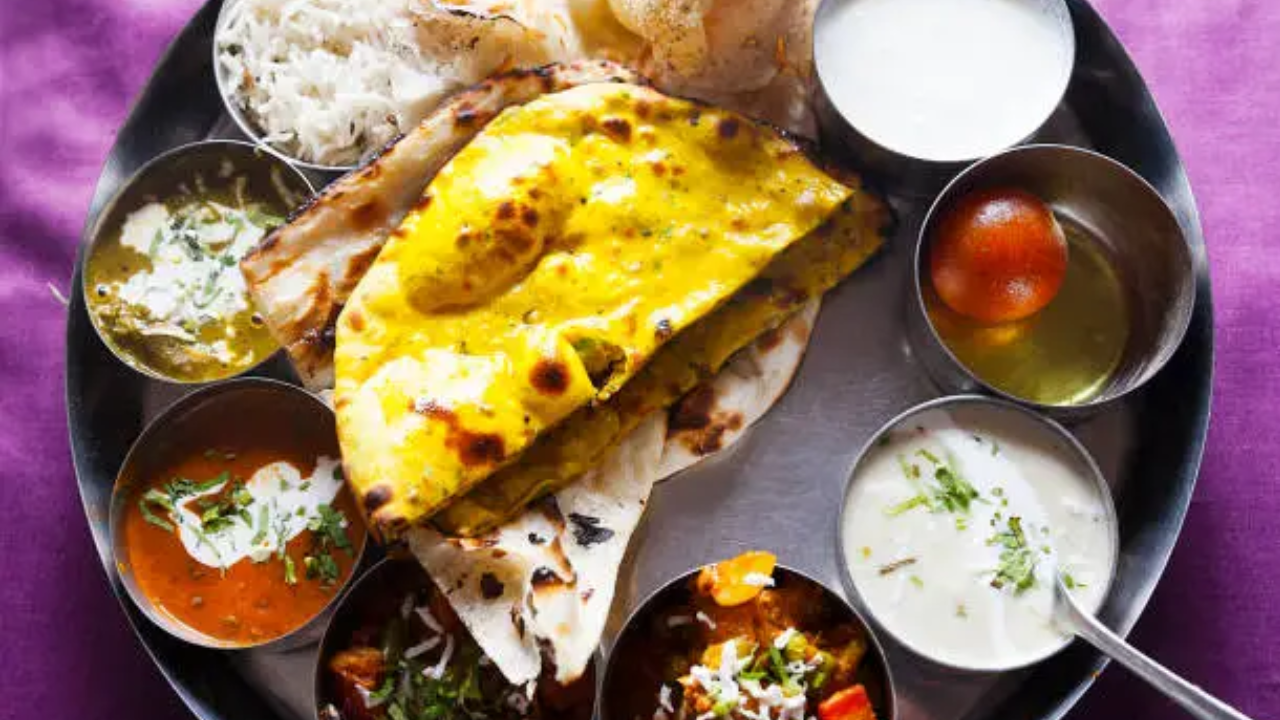
South Asians have been dining on steel thalis for generations (Credit: iStock)
The List of Allegations are Growing
Chrome plates aren’t the first offence on the food front when it comes to cultural whitewashing. Beyond turning ‘curry’ into a blanket term – save for the few good desi chefs in foreign lands, doing Gods work on turning this narrative around – one of the first rebrands that raised eyebrows was the rise of ‘chai tea lattes’, though credit where its due, caffeine giant Starbucks attributed the flavour to the appropriate term, despite how odd it sounded. But then came golden lattes – so basically, haldi doodh – which completely left the cultural context out of the brief. Both have religiously persisted in the west’s coffee culture for decades now. More desi pantry staples have been added to this list over the years – ‘clean fat’ instead of ghee, ‘miracle gummies’ instead of Ashwagandha, ‘vegan pulled pork’ instead of Kathal…the list goes on, and chrome plates won’t be the last of it.
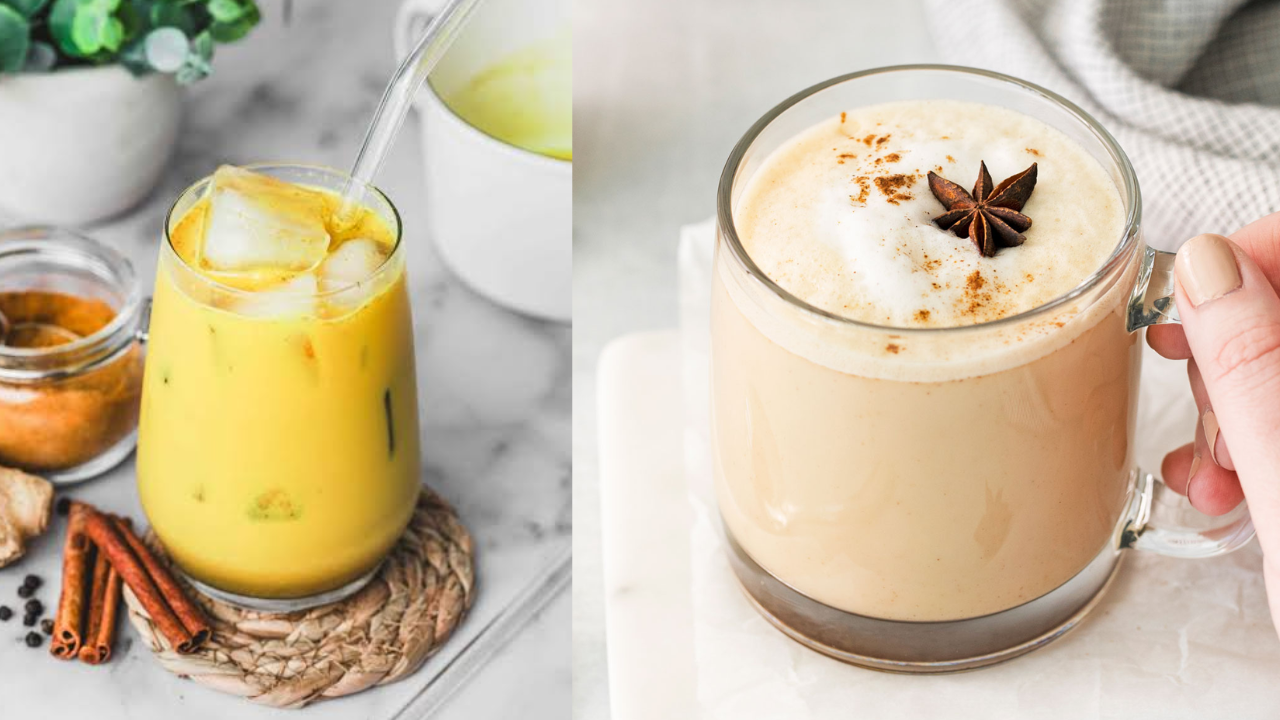
Golden latte; Chai tea latte – served iced (Credit: Sweetly Cakes, Texanerin Baking)
The problem here isn’t that the west is inspired by certain facets of South Asian living – they’re more than welcome to, considering we’ve also been absorbing cues from them for decades now. But while western imports are embraced here as they come, there seems to be a persisting need for the other end of the world to strip South Asian imports of all their ‘culture’ and rebrand them as a ‘modern-day find’ they came up with themselves. That’s the real cultural crime here – not spooning pasta off a steel thali.
Latest News


Aalokitaa Basu is a writer and Senior Copy Editor whose work explores the intersection of lifestyle, culture, beauty, wellness, and self-possession. H… View More
Original source: https://www.timesnownews.com/lifestyle