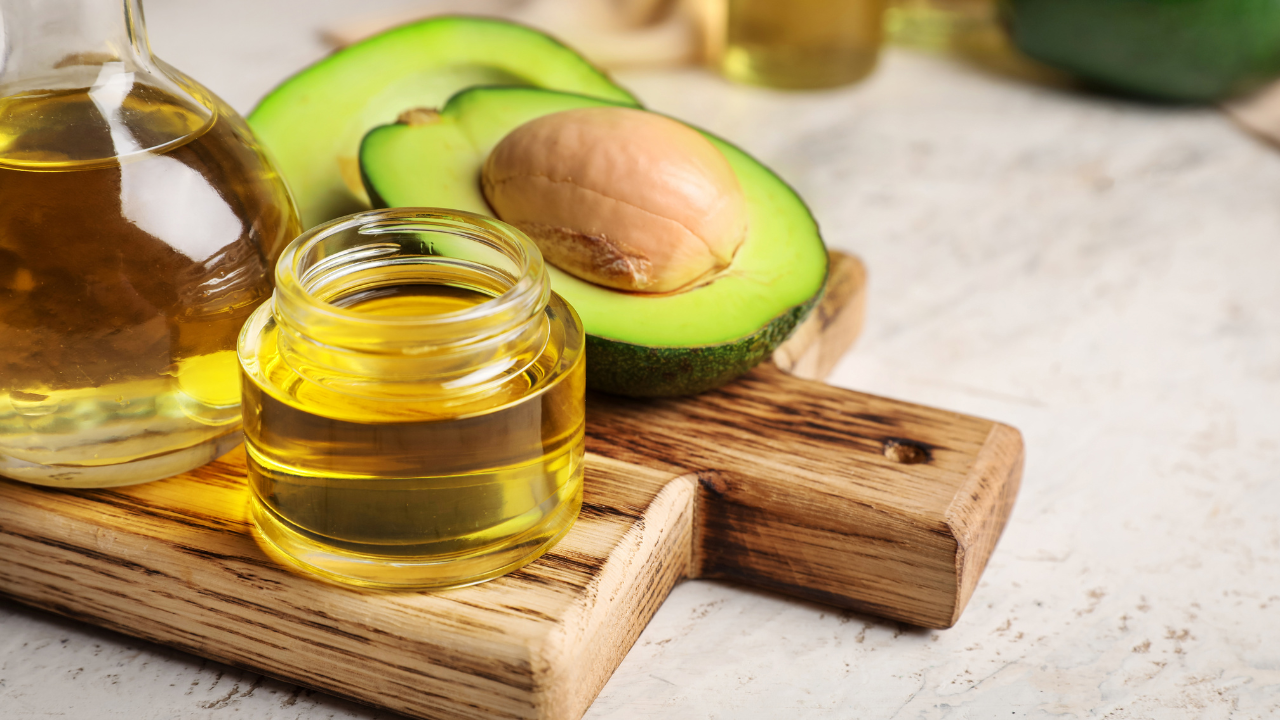
Avocado Oil Scam? 89% Of Popular Foods Tested Didn’t Match Anything Real
- Authored by: Simran Sukhnani
- Updated Aug 23, 2026, 10:24 IST
A new study raises concerns over avocado oil authenticity after 48 of 54 packaged foods failed purity checks, highlighting growing scrutiny of misleading food labels and adulteration.
Avocado oil (Credits: Canva)
Avocado, as a fruit, has been debated over for years and not for the right reasons. Some prefer it over toast every morning, while some never want to see it again in their lives. Keeping the fruit aside, the oil is known to be beneficial for many reasons, and the taste goes undeniable too. A packet of chips, jar of mayo or a bottle of salad dressing, one may see ‘made with avocado oil’ written in big letters on the label and immediately be tempted to make the purchase. Now truth be told, this is less for the taste and so much more for the benefits that avocado oil brings to the table, aka, ‘healthy fats’ as many may describe it nutritionally. But the reality of this might not be as close to the truth as one might think.
Products that come with the ‘made with avocado oil’ often carry a premium price tag along and most find it only justified. However, what is not fair, is that many-a-time you may be paying or may have paid for something that wasn’t quite what you thought for it to be.
What The New Study Says
A new study from researchers at the University of California, Davis has raised serious questions about the authenticity of avocado oil used in packaged foods. Researchers tested 54 grocery products that claimed to contain avocado oil and found that 48, about 89%, had chemical compositions inconsistent with authentic avocado oil. The products tested included potato chips, mayonnaise and salad dressings. Much to one’s surprise, salad dressings were found to be in the spotlight, a thing many consider the epitome of healthy. They had the most striking result: all of the samples tested failed the researchers’ authenticity checks. Around 93% of the chips and 71% of the mayonnaise samples also showed compositions that did not match genuine avocado oil.
Avocado oil snacks (Credits: Canva)
So, is it safe to say that your avocado-oil infused snack is a scam? Not necessarily in the legal sense. The study does not establish that every product was deliberately mislabelled, nor does it name every brand as fraudulent. Instead, the researchers found chemical fingerprints suggesting that cheaper oils may have been substituted for, or mixed with, avocado oil.
The team analysed the oils’ fatty-acid and sterol profiles, essentially looking for the chemical signature that genuine avocado oil should have. The researchers found patterns that did not line up with authentic avocado oil, including lower levels of some compounds naturally associated with avocado oil and higher levels of others associated with different vegetable oils.
The primary reason why this matters so much more is because avocado is seen to be a premium ingredient. Consumers often associate it with healthier eating and are willing to spend more on products carrying the label. But the study was about authenticity, not whether avocado oil itself is healthy or unhealthy. There is another, and possibly bigger, problem: consumers cannot easily solve this at home. There is no simple kitchen test that can reliably tell you whether the oil in your chips or mayonnaise is genuine. The findings arrive at a time when food regulators are paying much closer attention to what appears on food labels.
FSSAI Crackdowns In India
In India, the Food Safety and Standards Authority of India (FSSAI) has recently intensified its scrutiny of misleading claims and labelling. In August, the regulator said it had issued more than 150 notices to food and beverage companies over misleading advertisements, false claims and labelling violations. FSSAI has also taken aim at ‘100%’ claims, with several companies removing such wording after regulatory intervention. It has been scrutinising claims such as ‘natural,’ ‘healthy’ and ‘heart-friendly’ as well. And the crackdown is moving online too. FSSAI has directed e-commerce food businesses to strengthen checks on online listings, ensure product descriptions match packaging and remove non-compliant products. Even liquor has come under the regulator’s microscope, with recent inspections and seizures involving major alcohol companies over labelling and packaging compliance.
Product label (Credits: Canva)
Across the US, the FDA is also looking more closely at economically motivated adulteration. Its 2026 research priorities specifically include measuring the prevalence of adulteration in high-value oils such as avocado oil and developing better detection methods.
The bigger takeaway here is that a fancy ingredient on the front of a packet is not automatically a guarantee of what’s inside. For consumers, the safest approach is not to panic, but to read labels carefully, look for credible third-party certification where available and remember that words like ‘avocado oil,’ ‘natural’ or ‘healthy’ are not substitutes for evidence. Because when you pay extra for a premium ingredient, the least you should expect is to actually get it.
Latest News


Simran covers books that start conversations, beauty insights, fashion moods, and stories that make people feel something. Off duty? You’ll find her c… View More
Original source: https://www.timesnownews.com/lifestyle