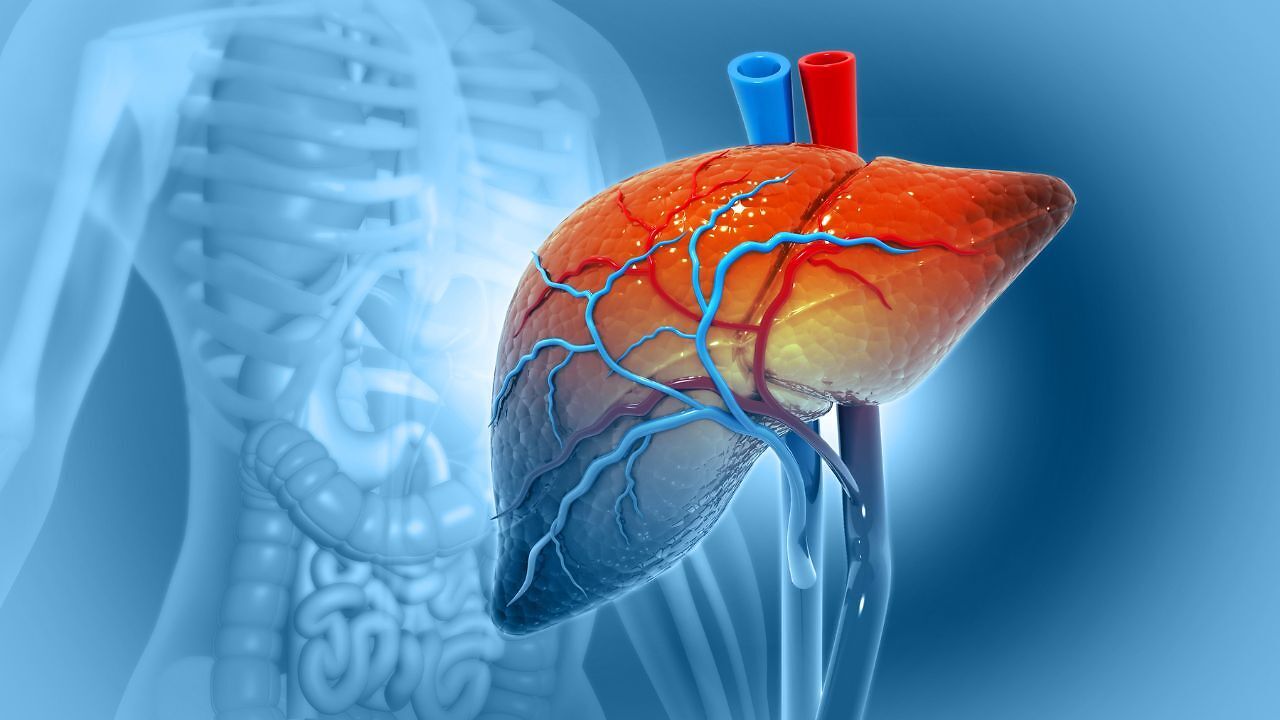
The liver and its major vessels, the area covered by “Ray’s Hepatocaval Triangle”. (Photo: iStock)
\n\nDoctors at the All India Institute of Medical Sciences (AIIMS), Delhi, have identified two high-risk anatomical zones that could help reduce bleeding and protect vital organs during complex cancer surgery in women, PTI reported.
\n\nDr M D Ray, professor in the Department of Surgical Oncology at Dr B R Ambedkar Institute Rotary Cancer Hospital (Dr BRA-IRCH), AIIMS Delhi, and his team have named the area below the uterine vessels the “Red Alert Zone” or “Ray’s Zone”. The ureter, urinary bladder, pelvic nerves and important blood vessels lie in close proximity here, according to the report.
\n\nThe team studied 255 radical or modified radical hysterectomies performed for cervical, endometrial and ovarian cancers. They analysed the anatomy and the causes of bleeding and injury during surgery, and modified the surgical approach for the later 105 cases.
\n\nThe technique stresses careful visualisation of the anatomy, magnification where needed, ligation of individual vessels and avoiding excessive cautery near the pelvic ureter, PTI reported.
\n\nThe researchers said that careful dissection of Ray’s Zone could reduce blood loss and minimise injury to the ureter, bladder and pelvic nerves, thereby improving postoperative…
Original source: https://www.timesnownews.com/lifestyle