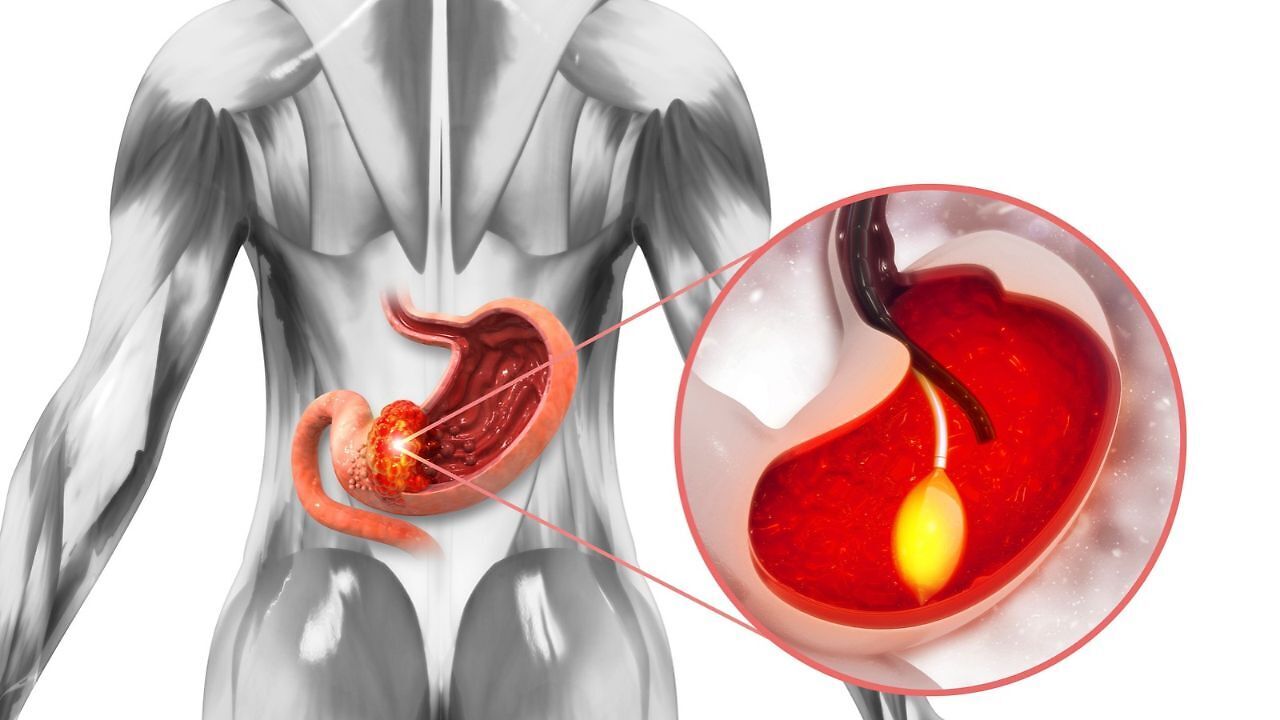
AstraZeneca’s Sone-ve is an antibody drug conjugate being tested in patients with advanced gastric cancer. (Photo: iStock)
\n\nAn experimental cancer drug from AstraZeneca has doubled the time patients with advanced stomach cancer lived, according to late-stage trial data presented at the European Society for Medical Oncology (ESMO) Congress in Madrid on 25 October.
\n\nThe drug, sonesitatug vedotin, known as Sone-ve, was tested in patients who had already received at least two earlier treatments. Those on Sone-ve lived a median of 10 months, compared with 5 months for patients given their doctor’s choice of chemotherapy. That amounts to a 53% reduction in the risk of death. According to Reuters, analysts had expected a hazard ratio of about 0.7 or lower and a gain of at least two months.
\n\nSusan Galbraith, executive vice president of oncology haematology research and development at AstraZeneca, told Reuters that a five-month improvement in overall survival was “very clinically significant” in a difficult-to-treat patient population.
\n\nGalbraith had said in a statement earlier punlished on 27 July 2026 on AstraZeneca's website, “Sone-Ve has the potential to reshape the treatment of gastric cancer by replacing classic chemotherapy with this novel targeted antibody drug conjugate to improve outcomes for patients.
Original source: https://www.timesnownews.com/lifestyle