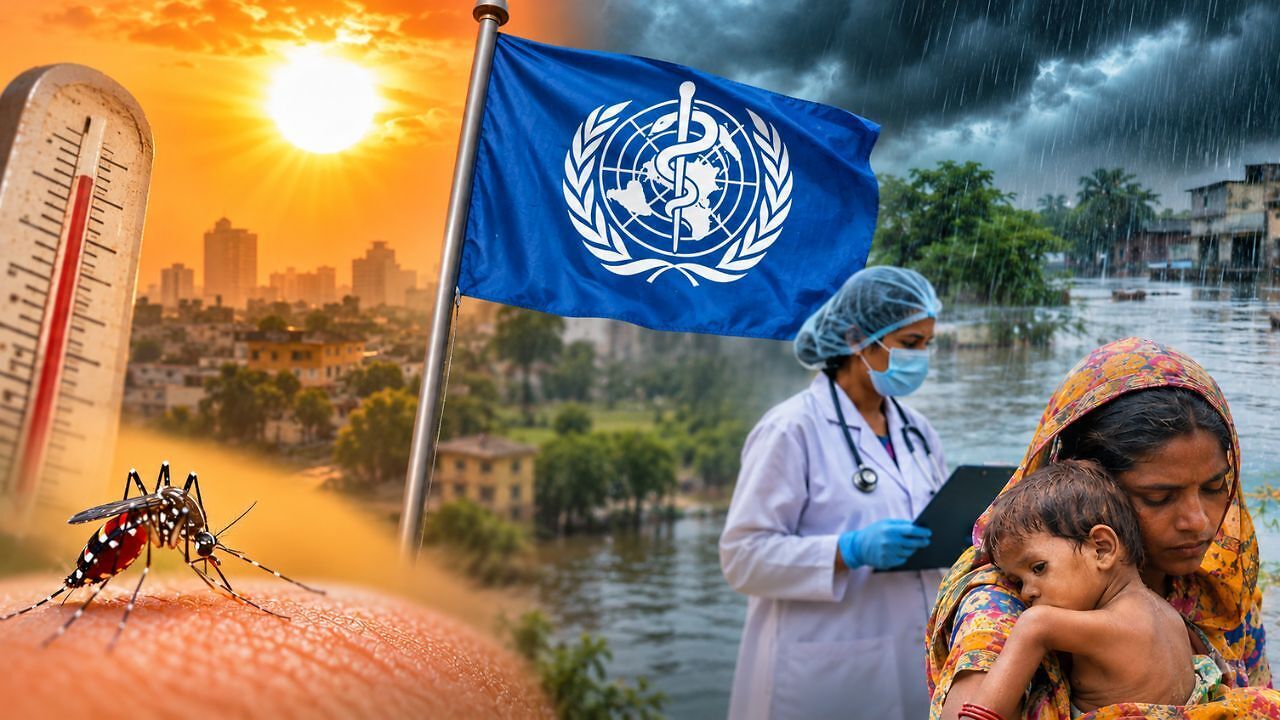
The World Health Organization (WHO) has raised its response to El Nino to Grade 3, its highest emergency level. In a plan released on November 2, the agency warned that the weather event could cause a wide range of health problems around the world, from heatstroke and dengue to malnutrition.
\n\nWHO's September assessment lists India among the countries facing high or very high health risks. Much of South Asia is expected to be hotter and drier than usual. That could affect water supply, food production and access to healthcare. As per WHO, El Nino does not directly cause disease. Instead, it acts as a “risk multiplier.” It changes conditions in ways that make illness more likely and put pressure on health services. WHO’s Grade 3 response will run from October 2026 to September 2027. The agency needs about $35 million for the first six months.
\n\nIn August, the Ministry of Earth Sciences told Parliament that the India Meteorological Department (IMD) expected below-normal rainfall this monsoon. The forecast was 90% of the Long Period Average. But El Nino does not always mean a failed monsoon. Its effect depends on how strong it is, when it happens, and other climate patterns such…
Original source: https://www.timesnownews.com/lifestyle