In 1922, two young cousins from a dusty town in southern Tamil Nadu found themselves in the packing room of a small match unit in Calcutta. P. Ayya Nadar was 17, and A. Shanmuga Nadar was 19. Somewhere in that room, according to the story the town still tells, they came across a record book listing the chemicals that went into a match head, and they studied it as if their futures depended on it.
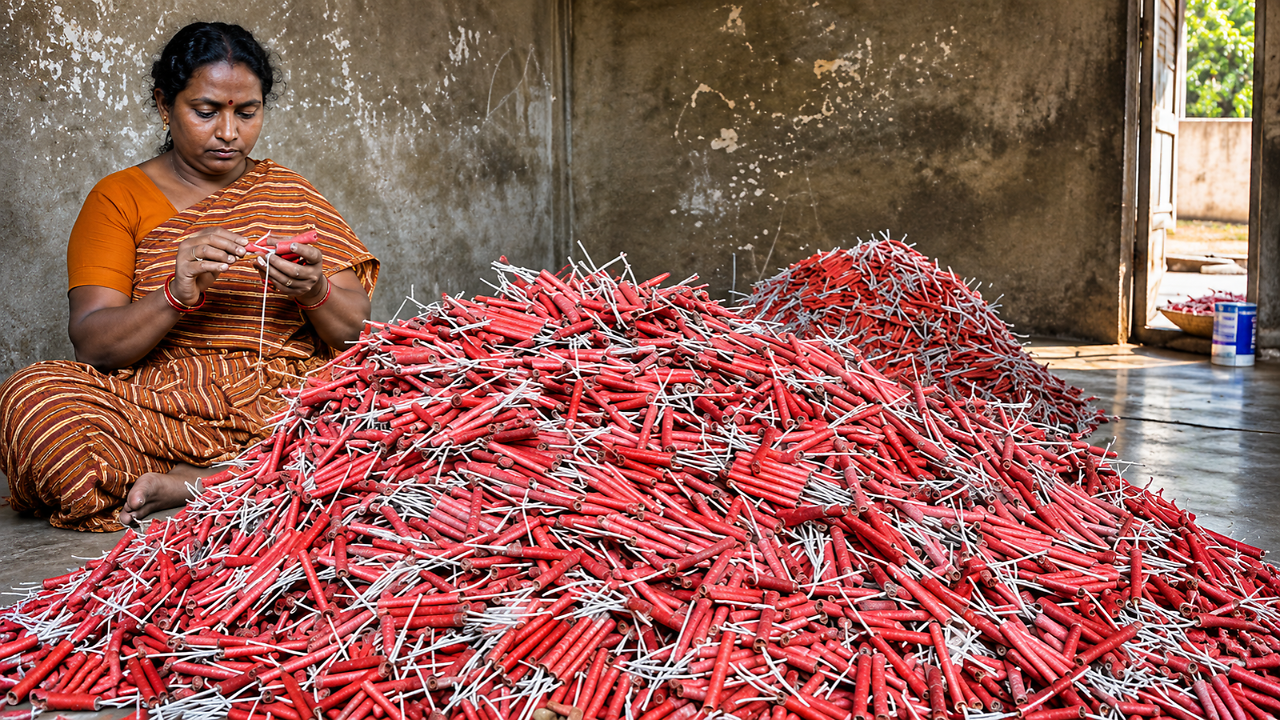
\n\nIn a sense, they did. The eight months the cousins spent in Calcutta would turn Sivakasi, a rain-starved corner of what is now Virudhunagar district, into the place that lights up almost every Indian Diwali. This Sunday, as families across the country step out with sparklers and flowerpots, most of what they set alight will have begun its life there.
\n\nIndia’s match market in the early 20th century belonged to foreigners. Before the First World War, Japanese imports supplied about half of the matches Indians used, and when the war cut off European supplies, Japan’s hold grew tighter still. A relative of the cousins, P. Chinna Nadar, saw an opening and urged the young men to master the trade.
\n\nCalcutta was the obvious classroom. The…
Original source: https://www.timesnownews.com/lifestyle