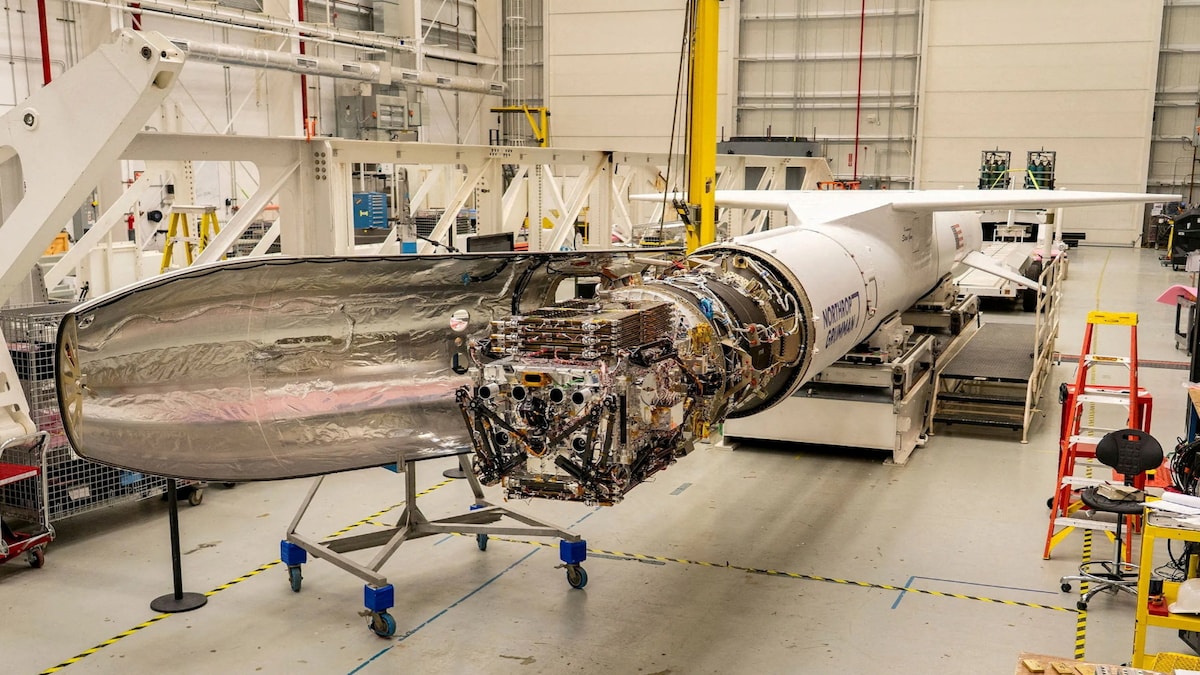
NASA's Swift satellite telescope, which spent two decades studying the most powerful known blasts of energy in the cosmos, tumbled out of orbit as expected on Wednesday and burned up in Earth's atmosphere over Indonesia, the space agency reported.
\n\nThe fiery demise of the Neil Gehrels Swift Observatory, weighing roughly 3,200 pounds (1,452 kg), came less than three months after a rescue spacecraft failed its mission to boost the satellite to higher orbit and extend its life.
\n\nThe US Space Force confirmed that Swift's re-entry occurred at 7:39 a.m. EST (1239 GMT), as the satellite streaked into the upper atmosphere at about 22 times the speed of sound over Indonesia's North Sumatra province, roughly 200 miles (322 km) north of the equator, according to NASA.
\n\nNASA said it expected the frictional heat of re-entry would incinerate most of the satellite well above Earth's surface, with some fragments surviving the plunge, though the US space agency reported no damage or injuries on the ground from falling debris.
\n\nIt was not immediately clear how close the telescope's re-entry point was to North Sumatra's capital and largest city, Medan, home to about 2.5 million people. The population of the province as a whole…
Original source: https://www.cnbctv18.com/technology/