Bengaluru And Mumbai Raids Expose A Hidden Food Safety Crisis
- Authored by: Simran Sukhnani
- Updated Aug 11, 2026, 16:57 IST
Recent food safety raids in Bengaluru and Mumbai uncovered expired ingredients, rotten meat, reused cooking oil and unhygienic kitchens, raising serious concerns about restaurant hygiene and consumer health across India.
Raids in Mumbai and Bengaluru
Raids and inspections in luxury restaurants, local eateries and for alcoholic beverages also has been on a rise recently as FSSAI is running its crackdowns. In a latest move, expired dairy products, fungus-ridden vegetables, rotten meat, unsafe storage practices and poor kitchen hygiene were found in restaurant kitchens in Mumbai and Bengaluru and they are now in an uncomfortable light.
The biggest thing here is that the inspections are significant because they don’t point to a single offending restaurant, but they suggest a broader problem about how the food is stored, handled and tracked in these outlets and more so, in urban food businesses. Bengaluru’s food safety authorities have also intensified these checks across pubs, hotels and government-run canteens. At the same time, the officials in Mumbai have specifically taken action against eateries that were accused of violating basic hygiene norms.
What This Means For Consumers
For consumers, the findings are also a reminder that food and safety risks are not always visible. Unlike a poorly maintained dining area, improperly thawed meat, contaminated refrigerator, or repeatedly heated cooking oil cannot be detected by simply looking at the final dish served on the table. All the steps going into making your favourite dish could be extremely hygienic, but you would not be able to guess any of the behind the scenes, because what is served to you looks perfect.

Stale and rotten food (Credits: Canva)
One of the bigger problems is the growing dependence of urban consumers on food delivery apps and local eateries. They are increasingly moving towards restaurant-prepared meals and cloud kitchens wherein there is no knowledge of how the food is prepared. A lapse in one back-end kitchen can potentially affect hundreds of customers in a single day.
The recent raids have also highlighted the importance of routine compliance rather than occasional clean-ups before inspections. Food safety regulations require proper labelling of ingredients, temperature-controlled storage, pest control measures, staff hygiene protocols and timely disposal of expired stock. Maintaining these standards consistently is far more challenging than presenting a clean front-of-house experience.
What Can Consumers Do?
Consumers can take a few practical precautions. Checking whether an establishment displays a valid FSSAI licence, reading recent customer reviews that mention hygiene, avoiding places with a history of repeated violations and being cautious about unusually discounted perishable foods can help reduce risk. If a meal has an unusual smell, taste or appearance, it is safer not to consume it.
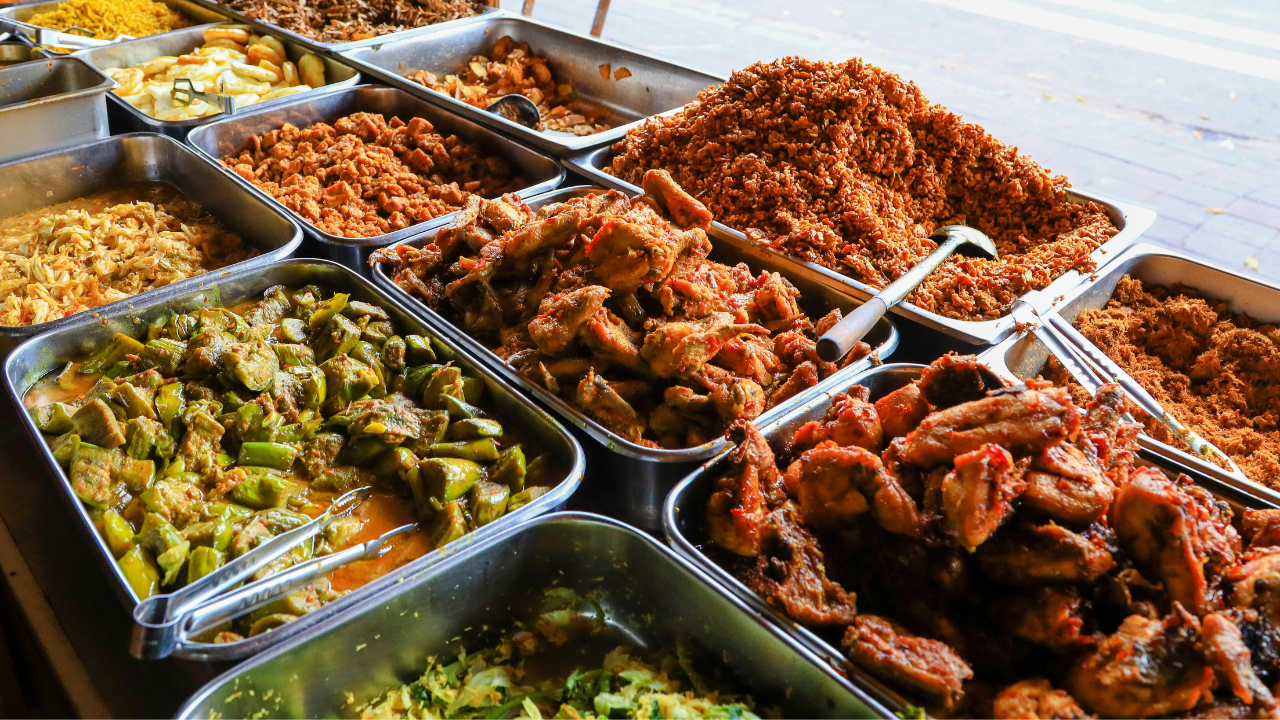
Eating Food Outside (Credits: Canva)
The bigger lesson from the Bengaluru and Mumbai inspections is that food safety is not a luxury concern reserved for high-end restaurants. It is a basic public health issue that affects everyone who eats outside the home. The recent crackdowns may be uncomfortable for the restaurant industry, but they also offer an opportunity to strengthen hygiene practices, improve transparency and rebuild consumer trust.
For diners, the message is simple: the real test of a restaurant is not just what reaches the table, but what happens long before the plate leaves the kitchen.
Latest News


Simran covers books that start conversations, beauty insights, fashion moods, and stories that make people feel something. Off duty? You’ll find her c… View More
Original source: https://www.timesnownews.com/lifestyle