SBI Chairman’s Big AI Bet: Why Indian Banks Must Look Beyond Urban Customers
- Edited by: Priya Raghuvanshi
- Updated Aug 11, 2026, 14:19 IST
SBI Chairman Challa Sreenivasulu Setty says AI could transform Indian banking by expanding rural credit, supporting small businesses, improving financial inclusion and strengthening risk management while addressing emerging cyber risks.
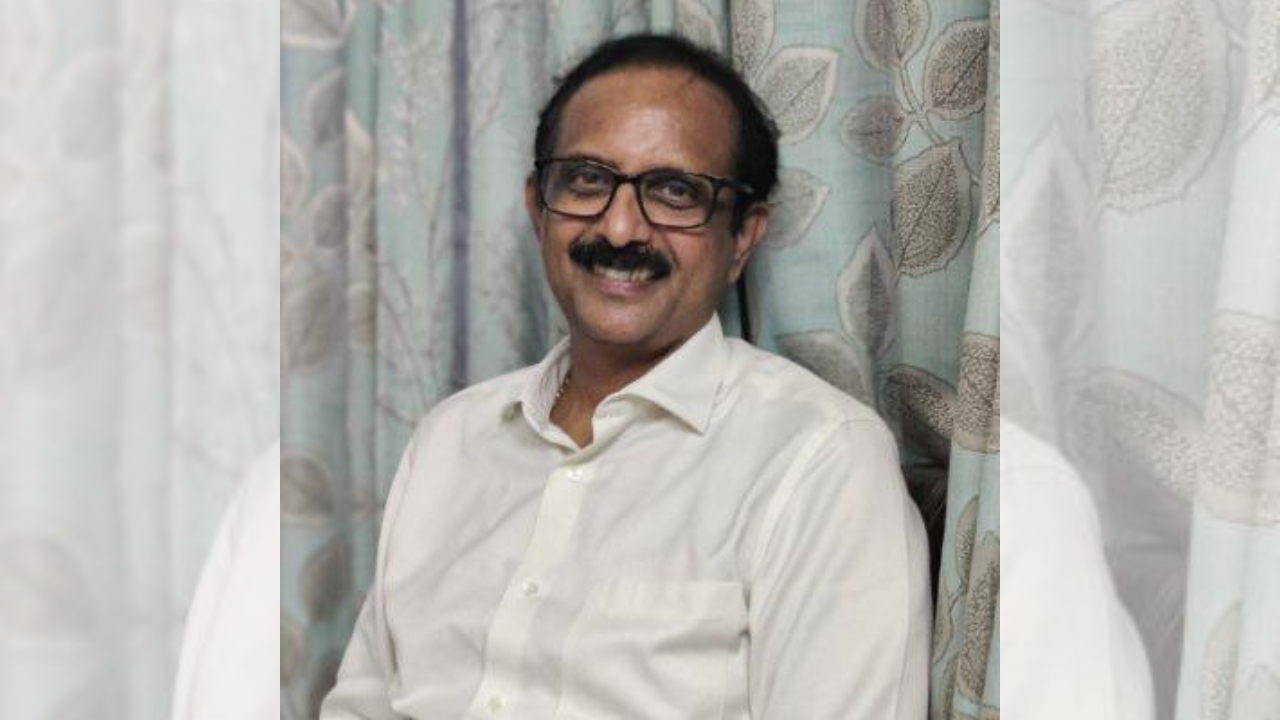
SBI Chairman Challa Sreenivasulu Setty (Photo: X/@challasetty)
Artificial intelligence could play a much bigger role in India’s banking transformation if lenders move beyond customer service and retail banking to address the needs of rural communities, small businesses and borrowers who remain outside traditional credit models, according to State Bank of India Chairman Challa Sreenivasulu Setty. He made the case for a wider AI-led transformation in banking while speaking at the FIBAC 2026 annual banking conference in Mumbai on Tuesday.
Setty said the technology should increasingly be deployed to create economic opportunities and support India’s broader ambition of becoming a developed economy by 2047.
“To support that ambition, the next wave of AI-led banking must take us deeper into the economy, to rural India, small businesses and customers whose banking histories may not fit conventional models,” Setty said.
According to Setty, agriculture is among the sectors where artificial intelligence could have a meaningful impact. AI-driven tools could help farmers make more informed decisions at the farm level, while banks could use data-based risk assessment, digital records and satellite imagery to improve lending decisions.
Such technology could potentially allow financial institutions to assess borrowers who may not have extensive conventional banking records. It could also help lenders improve portfolio monitoring while widening access to formal credit.
“The challenge is to take these capabilities beyond pilots and make them affordable, practical and accessible at the last mile,” Setty said.
Banking’s AI Journey Must Go Beyond Retail
Indian banks have already begun deploying AI across several functions. These include understanding customer behaviour, improving services, managing risks and streamlining credit processes. Much of this adoption, however, has so far been concentrated around retail banking.
Setty said the larger opportunity lies in taking these capabilities into other parts of the economy. For India, this could mean using AI to address gaps in credit availability and financial inclusion across sectors and geographies that have traditionally been harder for banks to serve.
The shift could be particularly massive for small enterprises, where access to timely and affordable financing remains crucial for growth, productivity and risk management.
AI Growth Will Bring New Cyber Risks
While stressing the opportunities, Setty also warned that expanding AI adoption would create fresh risks for financial institutions. More sophisticated cyberattacks and increasingly advanced fraud could develop alongside the wider use of artificial intelligence.
“Banks will therefore have to strengthen their defences at the same time as they expand their use of AI,” he said, adding that banking is ultimately built on trust.
As AI systems become more autonomous, banks will also need to revisit how they manage model risks, oversight, transparency and accountability. “The more consequential the decision, the greater must be our emphasis on human accountability,” he said.
Employees Will Need To Adapt To AI
The SBI chairman also underlined the importance of preparing bank employees for a workplace increasingly shaped by artificial intelligence. As technology changes how financial institutions operate, workforce skills will need to evolve alongside it.
Setty argued that the success of AI should not simply be judged by technological sophistication. Its real value, he said, would depend on the outcomes it creates for businesses and customers.
“The real test of AI will not be how sophisticated our technology becomes, but what it enables us to accomplish,” Setty said, adding that AI should help small businesses obtain timely credit, manage risk and improve productivity while making financial systems safer and more resilient.
For Indian banking, the next stage of AI adoption could therefore extend well beyond automation and convenience. If implemented effectively, the technology could become a tool for expanding financial inclusion, strengthening lending systems and connecting underserved sections of the economy with formal financial services.
“Going forward, AI will be more than the next chapter in the technology story of banking; it can become an important instrument in India’s economic progress,” he said.
Latest News


She is working as a Chief Copy Editor at Times Now’s Business Desk, where she covers key developments in the stock market, Indian corporates across se… View More
Original source: https://www.timesnownews.com/business-economy