The anti-hero paradox: We root for him, but want karma to pay him back
Demanding that an anti-hero face karma is not a call for censorship or preachy moral policing; no one is asking filmmakers to stop crafting dark, dangerous, or deeply flawed characters. It is simply a demand for structural narrative integrity. A tragic reckoning or an encounter with karma is the emotional weight that elevates a violent crime story into a timeless classic.
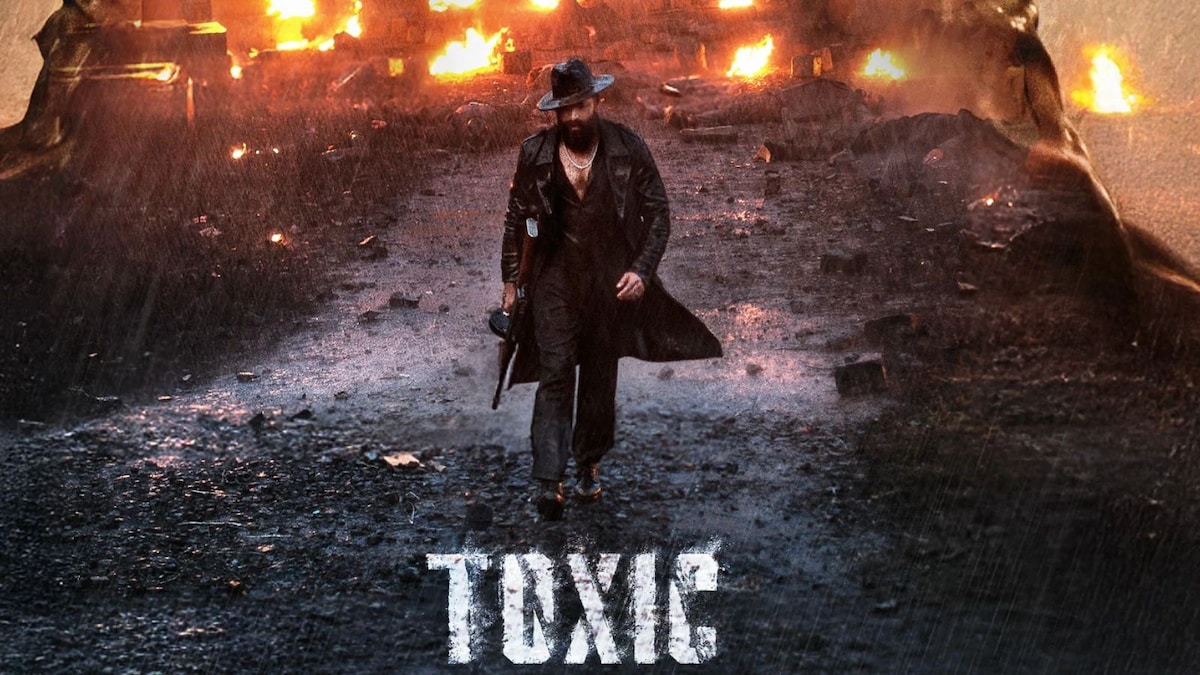
Yet beneath the visual spectacle lies a familiar narrative dilemma. Once again, mainstream cinema invites us to cheer for a man who treats human life like collateral damage. It raises a fundamental question about how we consume crime sagas: why are we so easily seduced by the villain on screen, and at what point does creative license cross the line into social irresponsibility?
This tension is the heart of the anti-hero paradox. Audiences naturally gravitate toward magnetic, larger-than-life outlaws who break every rule we are forced to follow. However, compelling story logic—and basic human conscience—demands that karma eventually collect its due.
Indian cinema has always been fascinated by the morally grey protagonist, but historically, that fascination was firmly anchored in tragedy and consequence.
In Ashok Kumar’s Kismet (1943)—widely considered Hindi cinema’s first film to feature an anti-hero—the charm-laden pickpocket Shekhar’s deviance stemmed from hardship, and his arc actively sought redemption.
Decades later, Amitabh Bachchan’s iconic Vijay in Deewaar (1975) embraced the underworld out of sheer rage against a broken system. Yet his inevitable death at his mother’s feet established a firm narrative boundary: defying the social contract carries an inescapable price.
Similarly, Mahesh Manjrekar’s Vaastav (1999) painted a devastating, un-glamorised portrait of Mumbai’s underworld through Raghu’s descent into crime. Starring Sanjay Dutt in a career-defining performance, Vaastav remains a masterclass in handling complex characters precisely because of its tragic climax. When a mother shoots her own son to free him from his unbearable, toxic existence, it serves as a stark reminder that a life of violence offers no victorious exits.
Even when anti-heroes leaned into terrifying obsession or raw criminality, classic cinema ensured that consequences were non-negotiable. In Yash Chopra’s Darr (1993), Shah Rukh Khan made the unhinged, obsessive Rahul deeply captivating. Yet the film never validated his delusion. His toxic obsession inevitably led to his own doom.
In stark contrast, a troubling subset of modern blockbusters pivots from tragic downfall to triumphant impunity.
Sandeep Reddy Vanga’s Animal stands as a prime example, blurring the line between portraying deep, dark human flaws and celebrating them as a badge of honour. A similar trait is visible in his earlier directorial, Kabir Singh. In Pushpa: The Rise, a violent sandalwood smuggler’s arrogance and transactional view of women are packaged as aspirational “mass swagger” rather than destructive flaws. Similarly, the K.G.F franchise often borders on worshipping Rocky’s unchecked tyranny, framing a ruthless crime lord as a mythic saviour while brushing aside the inherent toxicity of his reign.
Satish Kaushik’s Tere Naam (2003) romanticised a violent bully and stalker, framing brutal coercion as “pure love” and granting the protagonist audience sympathy without ever requiring him to unlearn his aggression.
When a film lets a ruthless, abusive protagonist walk away without a true narrative reckoning, it stops being a complex character study and devolves into a hollow power fantasy. The same flaw plagues films that mistake aesthetic cool for moral immunity, treating a protagonist’s toxicity as a victory lap rather than a fatal flaw that inevitably destroys them.
When challenged on the ethics of glorifying toxic protagonists, directors frequently hide behind the convenient defence that cinema is “pure entertainment” or merely a passive “mirror to society.”
Yet in a nation with immense socio-economic diversity and varying levels of media literacy, cinema is never just a passive mirror, it is a cultural amplifier. Larger-than-life figures on a fifty-foot screen are regularly absorbed as aspirational templates of power and masculinity.
This dual power of mass media was recognised as early as January 1952, when Prime Minister Jawaharlal Nehru addressed the film fraternity at the first International Film Festival of India. He noted that because film exerts such a powerful influence on people’s lives and can educate them rightly or wrongly, movies that are purely sensational or make capital out of crime should not be encouraged.
Demanding that an anti-hero face karma is not a call for censorship or preachy moral policing; no one is asking filmmakers to stop crafting dark, dangerous, or deeply flawed characters. It is simply a demand for structural narrative integrity. A tragic reckoning or an encounter with karma is the emotional weight that elevates a violent crime story into a timeless classic.
Also Read: ‘I will never become comfortably numb’: How a Pink Floyd classic was reimagined as a Gaza fundraiser
Original source: https://www.cnbctv18.com/entertainment/