5 Self-Growth Books Disguised as Novels
- Authored by: Girish Shukla
- Updated Aug 11, 2026, 19:12 IST
Advice was never the missing piece. Watching somebody fail to see the obvious thing about their own life, for three hundred pages, tends to work where instruction does not.
5 Novels That Do What The Self-Help Shelf Keeps Failing At (Picture Credit – Pinterest)
The self-help shelf has a structural problem. It tells you what to do, which is the easiest part of changing anything and the least useful thing to be told. Nobody has ever failed to improve their life through ignorance of the advice. Fiction works the other way round. It puts you inside a person for a few hundred pages, lets you watch them fail to see something obvious, and by the time you have finished you have recognised the manoeuvre because you have performed it yourself. Nothing is prescribed. Something shifts anyway.
Five novels that do this without ever admitting to it.
For Anyone Who Has Stopped Asking Questions About Their Own Life
1 Mrs Bridge by Evan S. Connell
India Bridge lives comfortably in Kansas City across 117 very short chapters, and in almost every one of them declines to examine something. A daughter’s unhappiness, a husband’s absence, her own boredom. Connell never judges her, which is what makes the book so uncomfortable. It is the rare novel about a life in which nothing changes, and the reader is left doing the noticing that the protagonist will not.
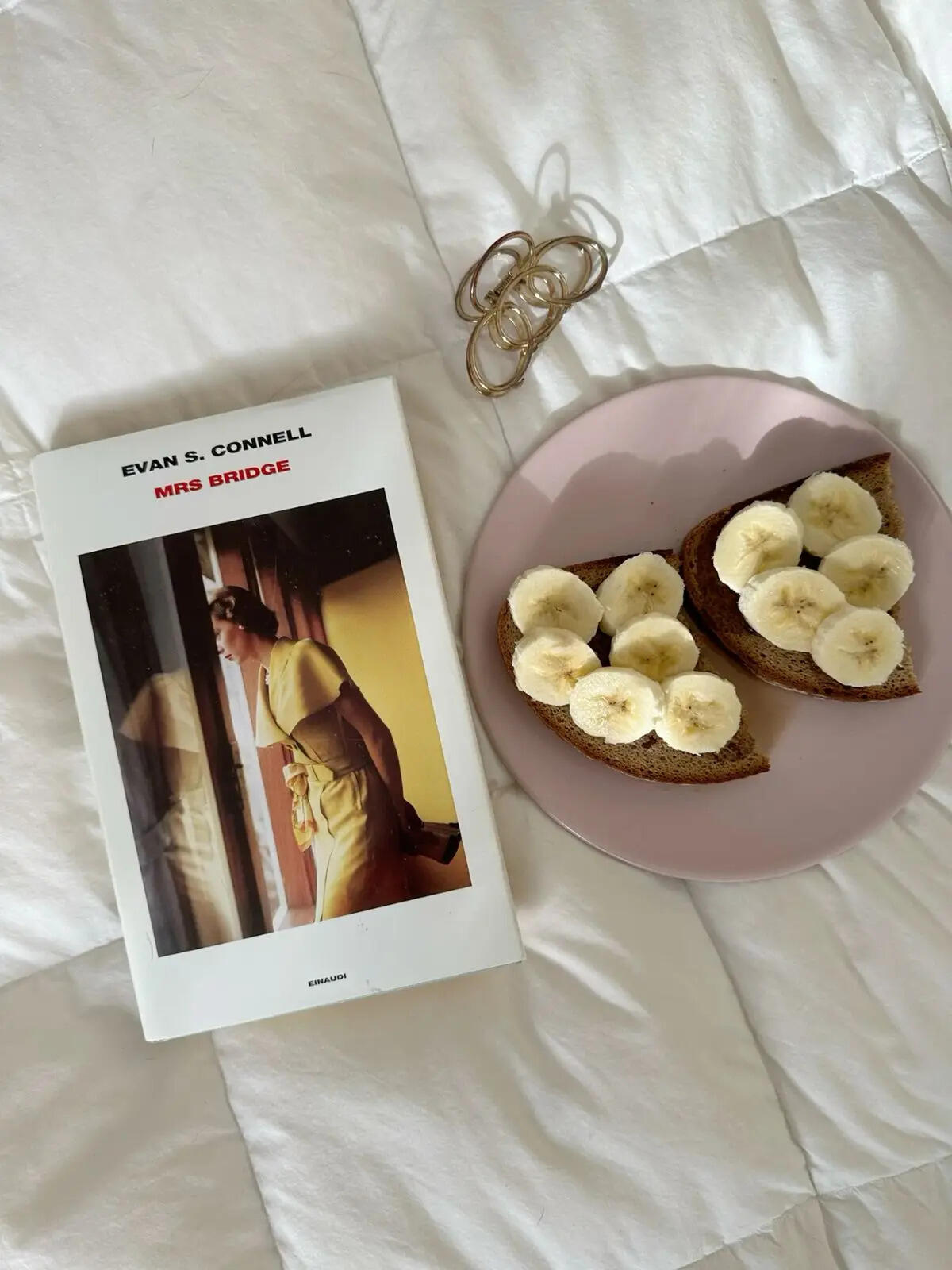
Mrs Bridge (Picture Credit – Pinterest)
For Anyone Who Cannot Reach A Parent
2. Cold Enough for Snow by Jessica Au
A woman takes her mother to Japan, and the two of them move through galleries, restaurants and rain in a state of careful, affectionate incomprehension. Under 100 pages, and winner of the inaugural Novel Prize. Au refuses the breakthrough conversation that a lesser book would supply. What remains is an honest account of the limits of what a grown child can know about the person who raised them.
For Anyone Carrying Something Unattended
3. Old God’s Time by Sebastian Barry
Tom Kettle is nine months retired, settled into a lean-to by the Irish Sea, when two former colleagues arrive with questions about an old case. Barry writes memory as something that surfaces on its own schedule rather than when summoned. The novel is about what decades of not looking at a thing costs, and about how late in a life a genuine reckoning can still arrive.
For Anyone Trying To Survive Something Without Words For It
4. Western Lane by Chetna Maroo
After their mother’s death, an eleven-year-old British-Gujarati girl is put on a squash court by a father who cannot speak about what has happened. Gopi trains, and the drills become the only place the family’s grief is permitted to exist. Booker shortlisted and remarkably short. Maroo understands that competence is often what a person builds when comfort is unavailable, and she never once explains it.
For Anyone Whose Days Have Started To Blur
5. On the Calculation of Volume by Solvej Balle
Tara Selter is stuck repeating the eighteenth of November. Balle has no interest in the puzzle, which is what separates this from every other version of the premise. Her subject is attention: what a single day actually contains once a person is forced to look at it properly, and how a self holds together when there is no future left to organise it around.
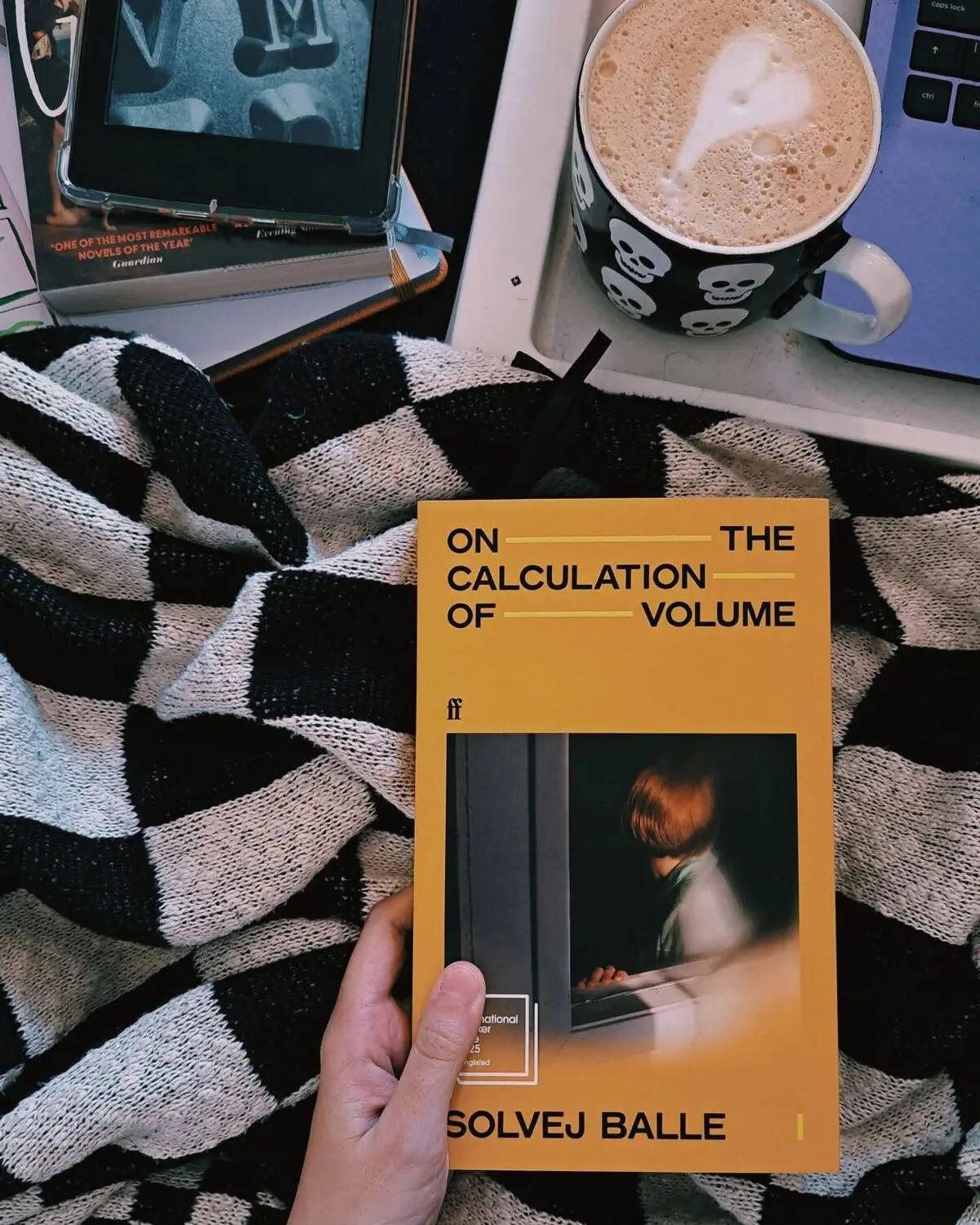
On the Calculation of Volume (Picture Credit – Pinterest)
Take the Au if there is a phone call you have been putting off. Take the Barry if something from years ago has begun surfacing uninvited. Take the Maroo if you are watching somebody young get through a loss by pouring themselves into something else.
Start with Mrs Bridge, though, if you are not sure what is wrong. It is the only one that will not tell you, and the recognition, when it lands, tends to be the useful kind.
Latest News


Seasoned Editor and Author with over a decade of experience in literary journalism, author interviews, and publishing trends. Known for curating impac… View More
Original source: https://www.timesnownews.com/lifestyle