Beyond guns and battlefields: Bollywood is putting the human cost of war back on screen
After decades dominated by battlefield spectacle, films such as Ikkis, Main Wapas Aaunga and Batwara 1947 are shifting the focus from how wars are fought to what they do to ordinary lives.
Ever since J.P. Dutta’s Border (1997) rewrote the commercial rules of the genre, Bollywood’s default lens on war has remained firmly entrenched in the combat zone. While earlier decades treated warfare with classical restraint, the post-Border era turned tactical execution, roaring artillery, and frontline martyrdom into the primary box-office attraction—a continuum that stretched through J.P. Dutta’s LOC Kargil (2003) and Paltan (2018), Farhan Akhtar’s Lakshya (2004), and peaked with Aditya Dhar’s Uri: The Surgical Strike (2019).
Even when recent Hindi cinema attempted to foreground human-centric biographical portraits or civilian contributions, the narrative architecture remained inextricably bound to battlefield heroics and tactical spectacle.
In Meghna Gulzar’s Sam Bahadur (2023), the nuanced personal charisma of Field Marshal Sam Manekshaw was framed around tactical manoeuvres, cabinet room standoffs, and military strategy. In Shershaah (2021), Captain Vikram Batra’s domestic romance took a back seat the moment the cameras scaled the craggy heights of Kargil for tactical firefights.
In Abhishek Dudhaiya’s Bhuj: The Pride of India (2021), the extraordinary story of local Gujarati women rebuilding an airstrip was largely swallowed by high-decibel airstrikes, heavy CGI dogfights, and formulaic combat bravado. In all these films, the human was defined through the soldier, and the emotional core was validated primarily through the spectacle of combat.
Yet, a wider look at Hindi cinema’s recent slate reveals that the narrative pendulum is swinging decisively in the opposite direction.
Also Read: The anti-hero paradox: We root for him, but want karma to pay him back
This is not to say that traditional war cinema has run its course. The arrival of Anurag Singh’s Border 2 this year proves that the appetite for large-scale, high-octane frontline spectacle remains massive and commercially undeniable. Instead, the genre is witnessing a conscious bifurcation.
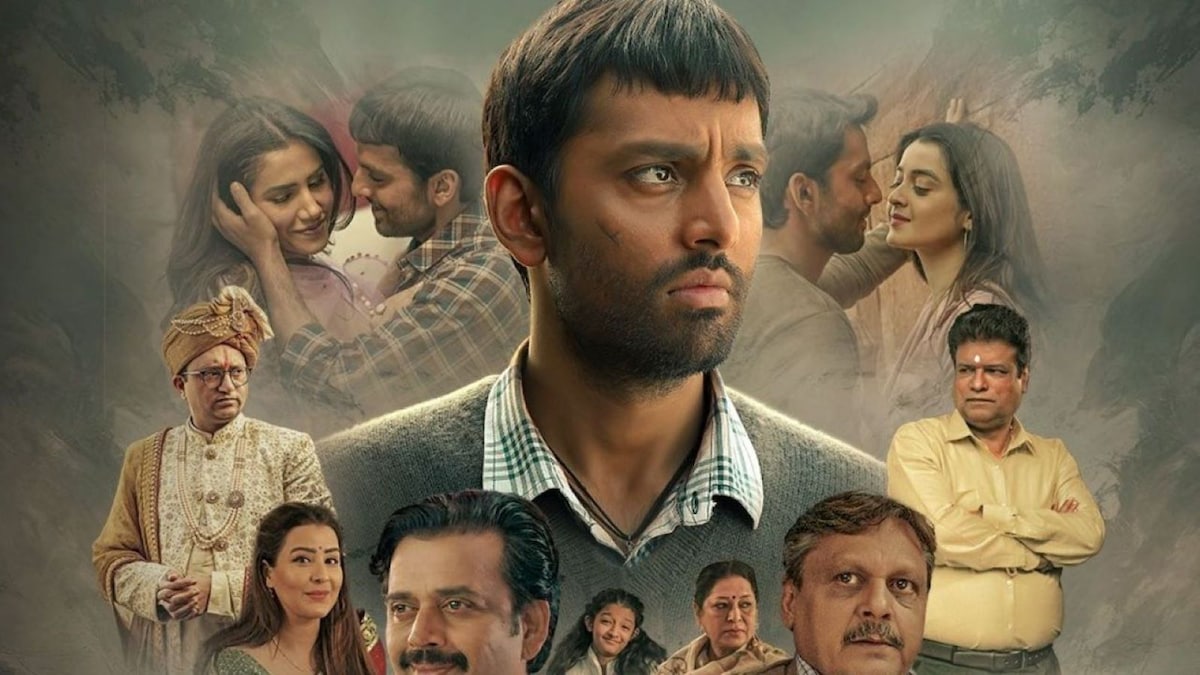
From Sriram Raghavan’s Ikkis in January to the release of Main Wapas Aaunga in June, and now Batwara 1947, filmmakers are consciously stripping away the tactical gear. Instead of asking how battles are fought on the frontlines, these stories examine the human cost on the margins. They treat war and Partition as an insurmountable, tragic backdrop for love stories, fractured families, and the quiet agony of waiting.
Historically, Hindi cinema’s greatest storytellers understood that geopolitical strife provided the highest possible dramatic stakes precisely because it tested human decency under extreme duress.
In Chetan Anand’s Haqeeqat (1964)—widely regarded as India’s first definitive war film—even the bleak combat of the Sino-Indian War was fundamentally anchored in the personal isolation of stranded platoons, evocative musical poetry, and the agonising letters sent home. A decade later, in M.S. Sathyu’s Garm Hava (1974), the tragedy unfolded entirely within the indignities suffered by Salim Mirza’s family in Agra, watching their social fabric disintegrate one quiet eviction and failed bank loan at a time.
When the commercial mainstream embraced high romance in the 1990s and early 2000s, this structural approach created monumental cultural landmarks:
In Vidhu Vinod Chopra’s 1942: A Love Story (1994), the revolutionary chaos of the Quit India movement existed primarily as a threat to the fragile innocence of two young lovers. In Mani Ratnam’s Dil Se.. (1998), the simmering insurgency in the North-East was the dark, ideological barrier framing an obsessive romance where the personal and the political ultimately consumed each other. In Shoojit Sircar’s Yahaan (2005), the crossfire of Kashmir militancy served purely as the tragic obstacle to a tender, forbidden bond between an army captain and a local Kashmiri woman.
Also Read: A tale of two Partitions: As ‘Batwara 1947’ revisits history, where are Bengal’s stories?
In Anil Sharma’s Gadar: Ek Prem Katha (2001), the bloodshed of Partition was the insurmountable border standing between Tara Singh, Sakina, and their child. In Chandra Prakash Dwivedi’s Pinjar (2003) – based on Amrita Pritam’s book of the same name — the communal frenzy of 1947 was filtered entirely through the abduction, trauma, and moral resilience of a woman caught between two identities. A year later, Yash Chopra’s Veer-Zaara (2004) proved that decades of cross-border hostility and political mistrust could serve entirely as the backdrop to 22 years of sacrifice and enduring affection.
The current resurgence is not an isolated experiment restricted to a single director, it is an evolving movement visible across diverse narrative formats.
The groundwork for this shift was laid when Meghna Gulzar’s Raazi (2018) subverted the espionage thriller. With the 1971 war buildup looming heavily, the film was staged almost entirely within the claustrophobia of a Pakistani household. The tension came not from shootouts, but from the moral agony of Sehmat betraying her husband and his family in the name of duty.
Even within mainstream adaptations, this de-escalation of war spectacle has found footing. In Laal Singh Chaddha (2022), the 1999 Kargil War was stripped of all ideological aggression through the innocent lens of an ordinary recruit, combat was reduced to chaos and confusion, culminating in the rescue of an enemy commander solely out of instinctive human empathy.
Similarly, Kannan Iyer’s Ae Watan Mere Watan (2024) sidestepped standard revolutionary skirmishes during the 1942 Quit India Movement to focus on the clandestine vulnerability of running an underground radio station and the lonely personal cost borne by young activists.
Now, this storytelling philosophy takes centre stage in this year’s slate:
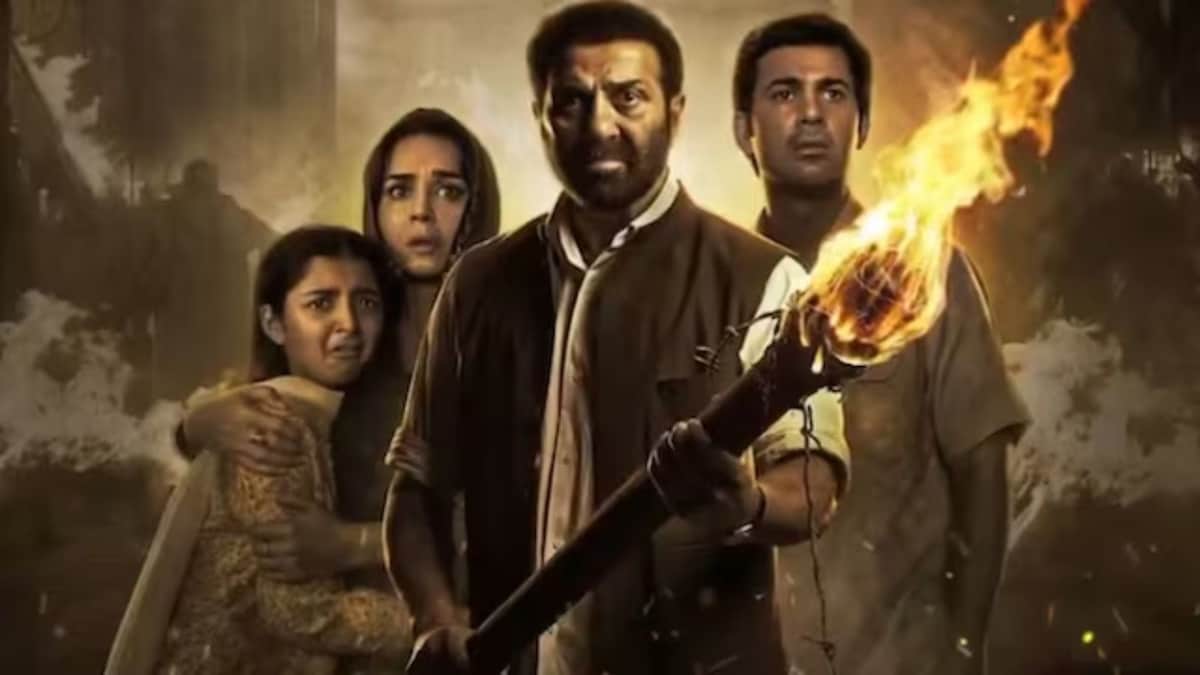
In Batwara 1947, adapting Asghar Wajahat’s celebrated play ‘Jis Lahore Nai Vekhya, O Jamya E Nai’, Rajkumar Santoshi confines the gargantuan tragedy of Partition largely within the walls of a single haveli. The drama completely bypasses grand political manifestos and border skirmishes to explore everyday compassion, moral courage, and shared human dignity when an old Hindu matriarch and an uprooted Muslim refugee family find themselves negotiating the same physical and emotional space amid communal frenzy.
Also Read: From Raja Harishchandra to Ramayana: The eleven-decade evolution of mythology in Hindi cinema
In Ikkis, recounting the life of Second Lieutenant Arun Khetarpal, the youngest recipient of the Param Vir Chakra, Sriram Raghavan deconstructs the conventional military biopic. While the 1971 Battle of Basantar is its historical anchor, Raghavan deliberately resists turning the film into an adrenaline-pumping combat exercise. Instead, the narrative anchors itself in the aching tragedy of stolen youth, the father-son dynamic, and the haunting reality of a 21-year-old life cut short before it had even begun.
Similarly, Main Wapas Aaunga pushes the actual combat almost entirely off-screen, choosing instead to explore the psychological toll of the domestic front. The film focuses on waiting, the toll of indefinite separation, and an impossible promise of return.
By pushing the battlefield into the backdrop, filmmakers give the narrative room to breathe. Geopolitical borders provide immediate, organic stakes, amplifying every whisper of love, displacement, and grief without needing constant gunfire to justify the tension.
Hindi cinema is making space for a dual reality. While high-octane blockbusters satisfy the demand for frontline adrenaline, the revival of conflict dramas reminds us of the human cost of wars.
Also Read: Ramayana, The Odyssey, Dune: The age of spectacle, scale, and screen adaptations
Original source: https://www.cnbctv18.com/entertainment/