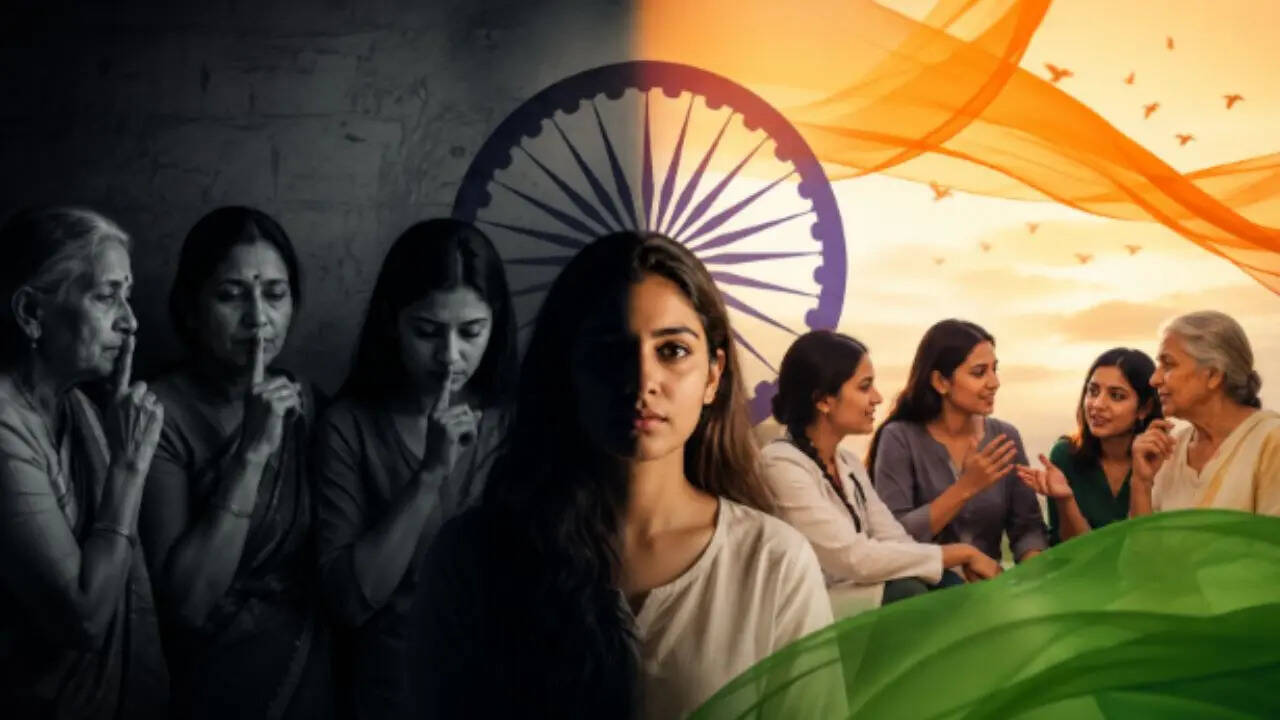
80 Years of Freedom, But Are Indian Women Still Not Free to Talk About Their Health?
Despite progress, Indian women still face health taboos around menstruation, fertility, sexual health and menopause, delaying conversations, diagnosis and timely care.
India celebrates 80 years of Independence in 2026, marking eight decades of social change and progress. Yet, when it comes to women’s health, freedom from political rule has not always translated into freedom from health taboos. Menstruation, fertility, sexual health, pregnancy loss, mental health and menopause remain difficult subjects for many Indian women to discuss openly.
Doctors say there has been significant progress, particularly in urban India. Greater education, social media and digital health platforms have made conversations around periods, PCOS, contraception, fertility and pregnancy more visible. Younger women are increasingly willing to seek medical advice and question long-standing myths.
But awareness does not always mean acceptance. “In many families, a woman is expected to suffer quietly because it is seen as a ‘normal part of being a woman,” Dr Archana Dwivedi, Director of Obstetrics and Gynecology at Sterling Hospitals.

The society needs to take women’s symptoms seriously
Why do women still stay silent about health?
Many women continue to consider symptoms such as severe period pain, heavy bleeding, urinary problems, pain during sex, infertility, miscarriage, anxiety and menopause-related changes as something they simply have to tolerate.
According to Dwivedi, society needs to move beyond simply talking about women’s health toward understanding symptoms and seeking timely care. “This silence can create a dangerous cycle: shame leads to delayed consultation, delayed care can worsen symptoms, and worsening symptoms can affect quality of life,” she said. Women may also prioritise the health of children, partners or parents over their own. As a result, routine check-ups and important screenings can be postponed until symptoms become difficult to ignore.
Menopause remains a major blind spot
While menstruation and pregnancy are increasingly discussed, menopause and women’s health after 40 remain comparatively neglected.
Symptoms including hot flashes, sleep problems, mood changes, brain fog, joint discomfort and vaginal dryness can affect everyday life. Yet many women may dismiss these changes as an unavoidable part of ageing rather than seek professional advice.
Dr. Dwivedi says menopause should be treated as an important life transition rather than something women should feel embarrassed about. “A woman may spend one-third of her life after menopause, yet many women go into this phase without enough information about what to expect. Symptoms such as flushes, sleep problems, mood changes, brain fog, joint pain, vaginal dryness and problems with sex may be seen as normal, ignored or just taken,” she said.
Doctors say menopause is among the most misunderstood aspect of women’s health
Fertility and mental health need open conversations
Fertility is another area where social expectations can strongly influence women’s healthcare decisions. Dr Sunita Tandulwadkar, President of the Indian Society for Assisted Reproduction, notes that women can face pressure around marriage, pregnancy and childbirth, while infertility may still be unfairly attributed primarily to women.
“Women’s mental health also deserves greater attention. Stress, anxiety, emotional exhaustion and postpartum depression can be overlooked when women are expected to manage work, family responsibilities and caregiving without complaint,” she said.
What needs to change?
Breaking women’s health taboos requires action from families, schools, workplaces and healthcare professionals.
Schools can provide age-appropriate education about menstruation, reproductive health and emotional wellbeing. Families can create safe spaces where women of all ages can discuss symptoms without embarrassment. Workplaces can recognise that women’s health extends beyond maternity and includes menstrual health, pregnancy recovery and menopause.
Women’s health should be a normal health conversation, not a taboo
Doctors, meanwhile, can proactively ask about sensitive symptoms instead of waiting for patients to raise uncomfortable subjects. “India’s freedom journey has come a long way. But true women’s health empowerment also means ensuring that women have the knowledge, confidence, dignity and freedom to speak about their bodies and seek healthcare without shame,” said Dr. Tandulwadkar.
After 80 years of Independence, perhaps the next step is simple: make women’s health a normal health conversation – not a taboo.
Original source: https://www.timesnownews.com/lifestyle