
Kidney Health After 40: The Warning Signs Men Shouldn’t Ignore
- Authored by: Simran Sukhnani
- Updated Aug 14, 2026, 17:32 IST
Kidney disease often develops silently after 40. An expert explains the subtle warning signs men should watch for, including urinary changes, swelling, fatigue, and why regular screening matters.
Kidney issues in men (Credits: Canva)
For most men, the age 40 marker brings a lot of focus back on their health. They start thinking about cholesterol, fitness and blood pressure. They start taking the gym seriously and make sure to get the cardio in as well. Yet, in all of this planning and execution too, one organ of the body often gets far less attention. While everyone focus on building abs and retaining the muscle, the kidneys take a hit. And because kidney illnesses and diseases build up gradually rather than showing up immediately, doctors say many men do not realise that there is even a problem, until it is too late and significant damage has already occurred.
“Kidney disease is often called a silent condition because symptoms may be absent or very mild in the early stages,” says Dr. Bhanu Mishra, Consultant Nephrologist at Fortis Hospital, Shalimar Bagh. “That is why awareness and regular health screening become especially important after the age of 40.” The kidneys have several vital functions to perform that is way it is known as a multitasking organ of the body. The kidneys remove waste products from the blood, maintain the body’s fluid balance, regulate electrolytes such as potassium and sodium and also help in controlling blood sugar level. When the kidney function in the body begins to decline, the effects can show up in unexpected ways.
What Symptoms Should One Look Out For?
Changes in urination pattern and colour often show up as one of the earliest clues. And naturally, one of the first signs that men should pay attention to is a noticeable change in the urination patterns. This may include having to wake up repeatedly at night to urinate, noticing that urine appears foamy, dark, tea-coloured, or blood-tinged or passing unusually small or large amounts of urine as well. “Urinary changes should never be dismissed as simply getting older,” Dr. Mishra explains. “Foamy urine may indicate protein loss, while blood in the urine always requires medical evaluation.”

Kidney issues (Credits: Canva)
Another concerning symptom is swelling, as it can signal fluid retention. Healthy kidneys are tasked with removing excess fluid from the body, basically draining it away. When the kidneys are not functioning properly, the fluid may begin to accumulate in the tissues. Swelling happens in the feet, hands, ankles and around the eyes and can therefore be an important warning sign, particularly if it develops without an obvious cause such as a sudden injury or after prolonged standing.
One may also feel constantly fatigued if kidneys are affected or not functioning properly. Constant tiredness doesn’t always mean just a busy lifestyle. Persisent low levels of energy and difficulty in concentrating can often be dismissed as ordinary things but they are overlooked symptoms of kidney disease. As kidney function declines, waste products can build up in the bloodstream and this can affect the overall well-being and mental clarity as well. Some people also happen to express nausea, loss of appetite, muscle cramps or unexplained itching in the body.
Another factor is where blood pressure comes into the picture. High blood pressure deserves special attention because it is both a cause and also a consequence of kidney disease. Damaged kidneys can also eventually contribute to rising blood pressure, while uncontrolled hypertension can further injure the kidneys, creating a harmful cycle. “Men with hypertension, diabetes, obesity, kidney stones or a family history of kidney disease should be particularly vigilant,” says Dr. Mishra. “These conditions significantly increase the risk of chronic kidney disease.”
Why Kidney Screening Matters After 40?
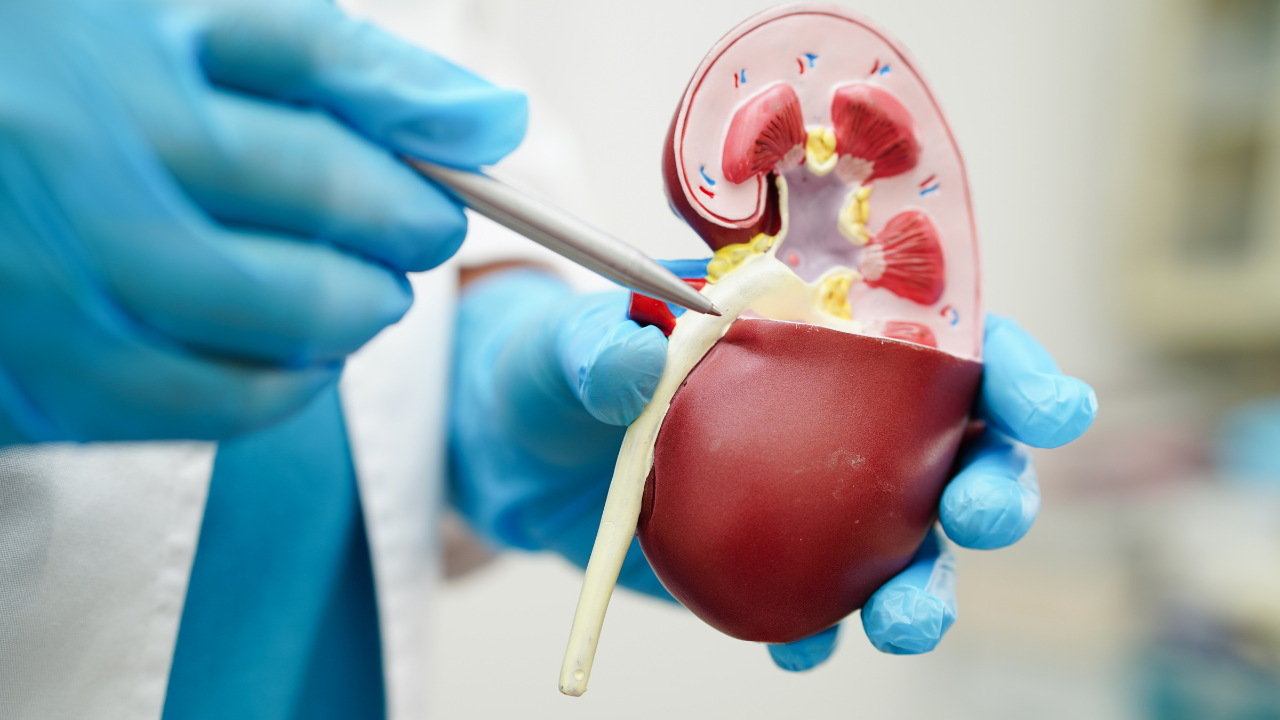
What doctors recommend (Credits: Canva)
That is because early kidney disease may produce few symptoms, routine screening is often the best way to detect problems before they become serious. Just simple routine blood tests that measure kidney function and urine tests that can check for protein or blood are enough to identify abnormalities long before complications develop. Doctors also recommend some simple steps and practices like maintaining a healthy weight, avoiding smoking, controlling blood sugar levels, exercising regularly, checking blood pressure regularly and using painkillers only when directed. Frequent or unnecessary use of pain-relieving medications can place additional strain on the kidneys. “Do not self-diagnose persistent symptoms,” Dr. Mishra advises. “If you notice unusual urination, swelling, unexplained fatigue, blood in the urine or persistent pain, the safest step is to consult a healthcare professional promptly.”
The most important message for men over 40 is that kidney disease rarely announces itself dramatically. Paying attention to subtle changes, and not dismissing them as part of normal ageing, can make the difference between early treatment and irreversible kidney damage.
Latest News


Simran covers books that start conversations, beauty insights, fashion moods, and stories that make people feel something. Off duty? You’ll find her c… View More
Original source: https://www.timesnownews.com/lifestyle