US-Iran War Live Updates: MoU expires today; Hormuz traffic plunges after tanker attacks
Follow our live coverage for the latest developments in the US-Iran war, disruptions in the Strait of Hormuz, oil prices, plans of fresh sanctions against Iran, and other developments as the MoU signed in June is set to expire soon.
US-Iran War Live Updates: The Memorandum of Understanding that was signed in June and fueled much hope of an end to the US-Iran war is now set to expire today without major breakthrough.
Shipping through the Strait of Hormuz slowed sharply over the weekend following attacks on tankers, while US-Iran talks to end the West Asia war remained stalled. Kpler data showed five commodity vessels crossed the strait on Saturday and none on Sunday, compared with 31 the previous weekend. Brent crude held near $89 a barrel on Monday after gaining more than 6% last week, while WTI traded around $83.
The Trump administration is also preparing economic sanctions that it has warned will hit Iran harder than ever, with the measures potentially being announced this week. Meanwhile, Lebanon witnessed one of its deadliest days of fighting since the June agreement as Israel struck Iran-backed Hezbollah and killed a senior commander.
CENTCOM commander Adm. Brad Cooper defended conditions aboard the USS Abraham Lincoln after visiting the carrier, saying it had among the lowest numbers of mental health-related cases in the US Navy’s 11-carrier fleet, while acknowledging the strain of prolonged deployments.
In Cairo, US envoys Jared Kushner and Nickolay Mladenov met Egyptian, Qatari and Turkish mediators—and Hamas officials at some meetings—to push Donald Trump’s Gaza peace plan, Reuters reported.
Iran’s parliament, meanwhile, approved the broad principles of a bill that could criminalise communication with US, Israeli and other media outlets deemed hostile to the Islamic Republic.
Follow for the latest updates on the war in West Asia.

US-Iran War Live Updates: US senator Chris Van Hollen calls for end to war
US Democratic Senator Chris Van Hollen has called for an end to the war, arguing that it is not making the United States safer and is putting American military personnel at risk.
“This war isn’t making our country safer,” Van Hollen said in a post on X, accusing President Donald Trump and Defence Secretary Pete Hegseth of showing “complete disregard” for US servicemembers.
“Our military men and women and their families deserve better. The best way to protect them is to end this war,” he added.
US-Iran War Live Updates: US-Iran interim deal reaches 60-day deadline
The 60-day window set under the US-Iran memorandum of understanding is due to expire today, with no final peace agreement or extension in place.
Signed in June, the interim pact was intended to halt hostilities and give the two sides time to negotiate a permanent settlement covering Iran’s nuclear programme, sanctions relief and navigation through the Strait of Hormuz.
The arrangement, however, unravelled within weeks. US President Donald Trump declared it “over” in July as fighting resumed, while Tehran accused Washington of breaching its commitments, including those concerning sanctions, frozen Iranian assets and the blockade of Iranian ports.
A senior Iranian official said last week that the two sides were not discussing an extension and insisted Washington must first return to the interim agreement and set a timetable for fulfilling its obligations. Indirect diplomatic efforts have made no progress, while the Strait of Hormuz remains severely disrupted.
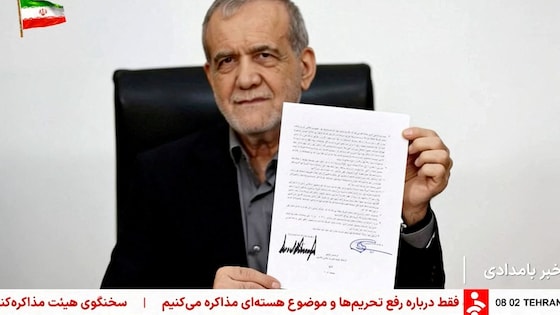
US-Iran War Live Updates: Iran moves to criminalise contact with US, Israeli media: All you need to know
Iran’s parliament on Sunday approved the general principles of a proposed law that would criminalise interviews and other communication with media organisations deemed hostile to the Islamic Republic, Reuters reported, citing Iran’s Shargh newspaper.
What does the proposed bill prohibit?
The legislation would ban interviews or participation in discussions with US or Israeli media, outlets financed by either country, and other organisations regarded as hostile by Tehran.
Violators could face between six months and two years in prison.
Would contact with all foreign media be banned?
No. However, Iranians seeking to speak with other foreign media organisations would be required to notify the intelligence ministry.
Contact with foreign embassies, offices of international organisations or other non-Iranian institutions would require notification and written permission from the foreign ministry. Unauthorised contact could result in a fine and the loss of certain social rights.
What else would the bill cover?
The proposed law would also:
- Increase penalties for economic crimes committed under the direction or supervision of foreigners.
- Prohibit providing information to foreigners without the intelligence ministry’s approval.
- Restrict scientific cooperation with foreign institutions that are not included on an approved list.
US-Iran War Live Updates: CENTCOM pushes back on USS Abraham Lincoln crew concerns after commander’s visit
US Central Command chief Adm. Brad Cooper has defended conditions aboard the USS Abraham Lincoln amid rising concerns about the crew’s mental health and well-being during its prolonged deployment in West Asia.
After visiting the aircraft carrier, Cooper said it had “among the lowest number of cases related to mental health” among the US Navy’s 11 active carriers.
The commander, however, acknowledged the strain of spending extended periods at sea, saying such service was “uniquely challenging and tough” and affected personnel differently.
US-Iran War Live Updates: Good morning!
Good morning and welcome back to our live coverage of the war in West Asia.
Original source: https://www.cnbctv18.com/technology/