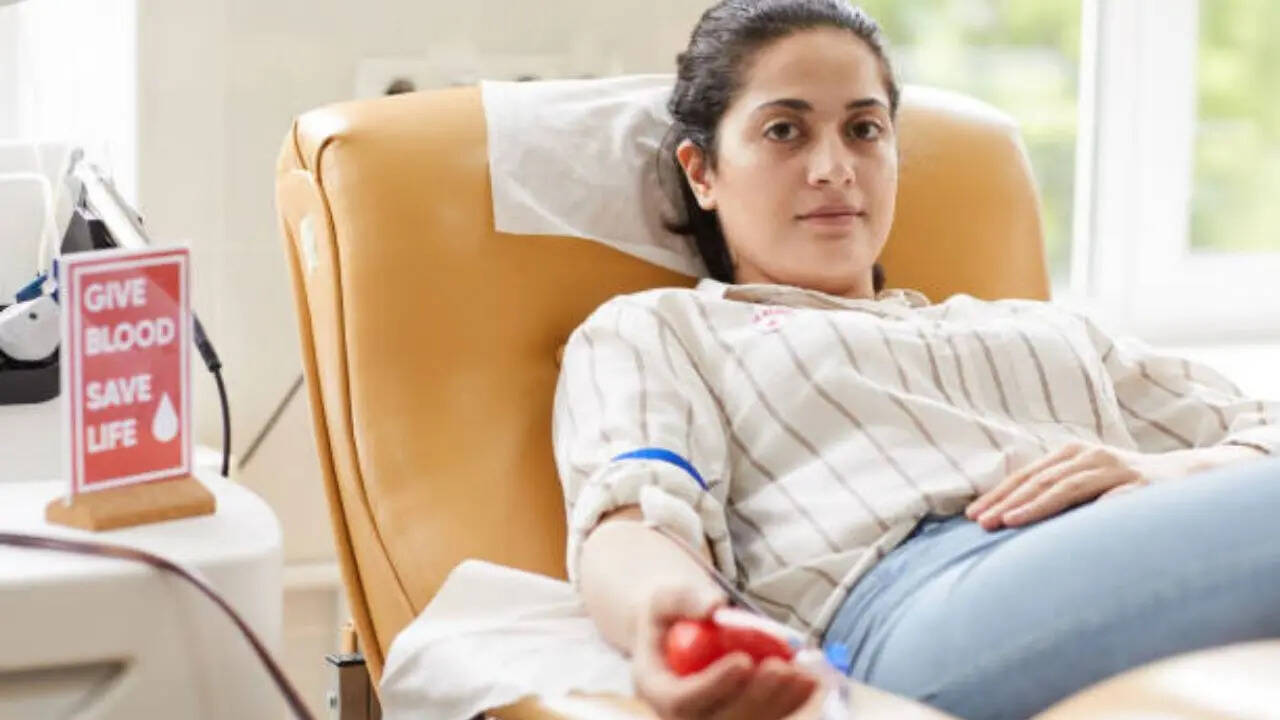
What Happens to Your Body After Donating Blood? Expert Explains the 3-Step Recovery
- Authored by: Ashima Sharda Mahindra
- Updated Aug 16, 2026, 09:10 IST
After blood donation, the body restores fluids, produces new red blood cells, and replenishes iron, making hydration and nutrition important.
What Happens After Blood Donation?
Blood donation is generally safe for healthy, eligible donors, but your body immediately begins a series of physiological changes to replace what has been lost. After a whole blood donation, typically around 350 to 450 ml of blood is collected, and recovery happens gradually.
Dr. Revanth Boddu, Consultant – Hematology, Hemato-Oncology and Bone Marrow Transplant, Aster Whitefield Hospital, explains that recovery involves more than simply replacing the lost volume. The body has to restore fluid, red blood cells, and iron. “The initial effect is a decrease in the amount of blood in the bloodstream, and it is because of this reason that some people experience dizziness and fatigue after blood donation,” he said.
Your body quickly replaces lost fluid
The first major response after blood donation is the restoration of the fluid component of blood, known as plasma.
Because healthy donors are generally well hydrated, this part of recovery happens relatively quickly. However, the temporary reduction in circulating blood volume can cause some people to experience dizziness, weakness, or fatigue shortly after donating. “This is why donors are usually advised to rest, drink fluids and avoid rushing into strenuous activities immediately after donation,” said Dr. Boddu.
Your bone marrow makes new red blood cells
The second stage involves the bone marrow producing new blood cells.
Red blood cells carry oxygen from the lungs to tissues throughout the body. Following blood donation, the body increases its production of new red blood cells to restore the supply. Until this process progresses, some donors may notice temporary tiredness or reduced exercise tolerance. This is particularly relevant for people who participate in intense physical activity. “The recovery time can vary depending on factors such as overall health, nutrition, iron stores and how frequently someone donates blood,” said Dr. Bhoddu.
Your body must replenish iron
Iron is essential for producing hemoglobin and new red blood cells. Blood donation therefore also removes some of the body’s stored iron. According to Dr. Boddu, approximately 220–250 mg of iron may be lost during a whole blood donation. “For occasional donors, the body can generally replenish its stores over time. However, people who donate frequently may be at risk of iron deficiency, sometimes before obvious symptoms appear,” he said.
Importantly, replacing fluids happens much faster than restoring iron stores. Regular donors should therefore discuss their iron status with a healthcare professional, particularly if they experience persistent fatigue or donate frequently. Iron supplements should not be started routinely without medical advice.
How to recover after blood donation?
A few simple steps can support recovery:
- Drink extra fluids after donating blood.
- Eat a nutritious meal containing iron-rich foods.
- Avoid heavy lifting and strenuous exercise for the rest of the day.
- Rest if you feel tired or light-headed.
- If dizziness occurs, sit or lie down until it passes.
Frequent donors can ask their healthcare provider whether their iron levels need monitoring.
When should you seek medical advice?
Mild fatigue or brief dizziness can occur after blood donation. However, if symptoms are severe, persistent or unusual, medical advice should be sought.
Blood donation recovery involves three important processes: restoring fluid volume, producing new red blood cells and replenishing iron. Staying hydrated, eating well and allowing your body time to recover can help make the post-donation period easier.
Latest News


Is a prolific writer with a varied experience of over two decades of journalism under her belt. She writes passionately about diverse health topics wi… View More
Original source: https://www.timesnownews.com/lifestyle