Why Anton Chekhov Is the Greatest Short Story Writer to Ever Live
- Authored by: Simran Sukhnani
- Updated Aug 16, 2026, 14:33 IST
Anton Chekhov transformed the short story genre by turning ordinary lives, quiet heartbreak and human contradictions into unforgettable literature. Here why his work still resonates deeply with readers centuries later.
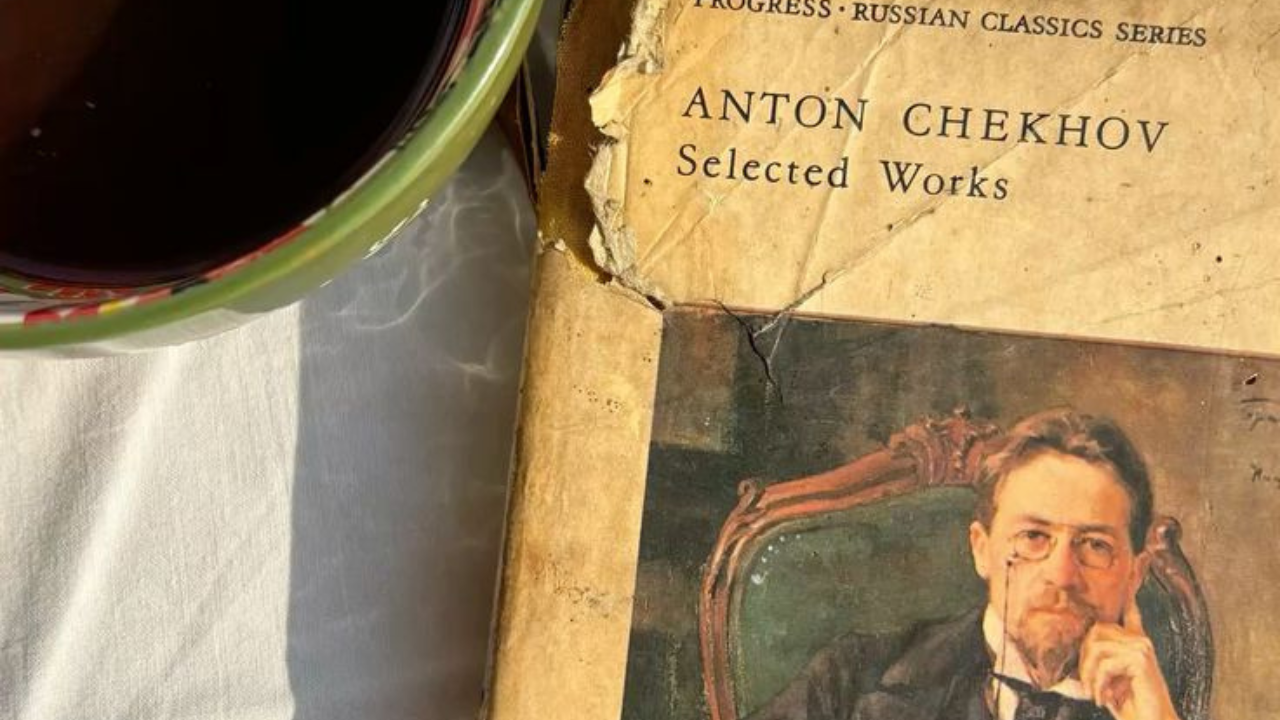
Anton Chekhov Books
Point blank truth: He never wrote a full novel and honestly he didn’t even need to. Anton Pavlovich Chekhov spent 44 years of his life doing two things at once: practicing medicine and quietly rewriting the rules of fiction. ‘Medicine is my lawful wife,’ he liked to say, ‘and literature is my mistress.’ Born in 1860 in the port town of Taganrog to a grocer father who beat him and a mother who filled the house with stories, Chekhov grew up fast, paid off his family’s debts by the age of 17, and put himself through medical school in Moscow by selling comic sketches to newspapers for a few kopecks a line. Nobody handed him a literary pedigree. He built one, story by story, out of doctor’s-bag observation and dry, unsentimental honesty.
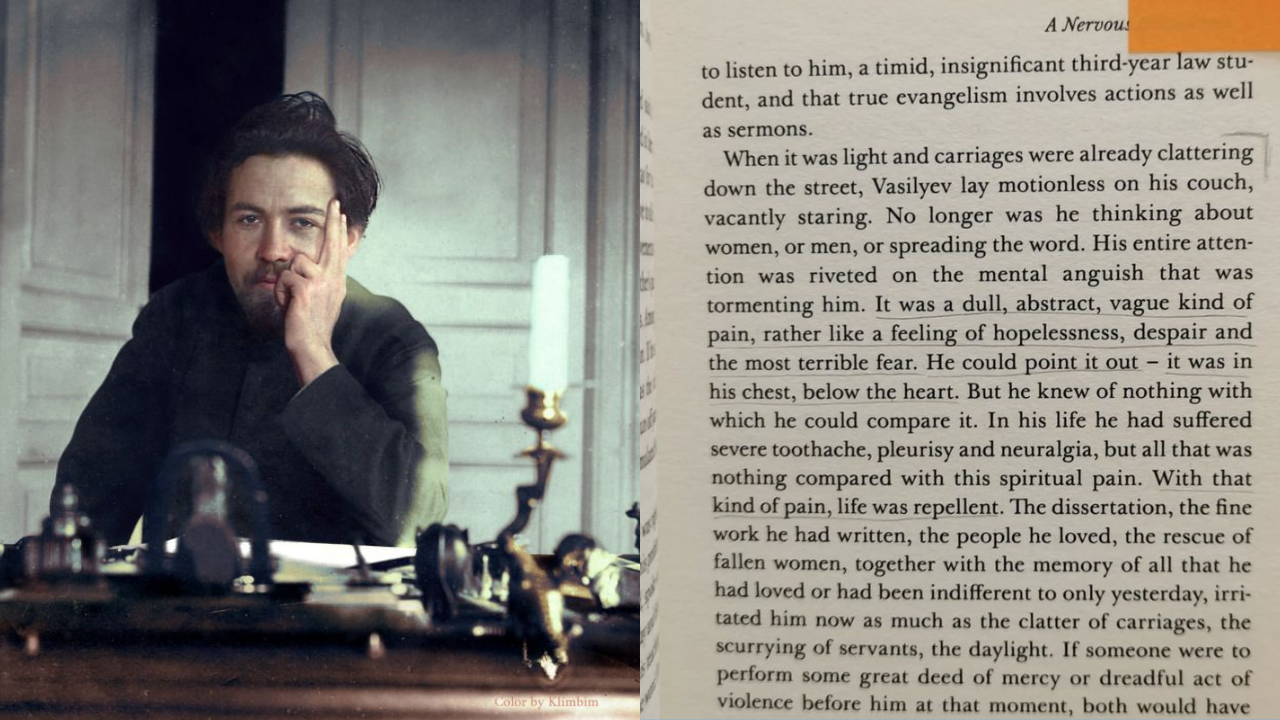
Anton Chekhov
Living Life In Opposites Together
That combination, physician and writer, is the key to everything. Chekhov diagnosed people the way he diagnosed patients: without judgment, without moralising, without the Victorian instinct to punish the sinner or reward the saint. In the work ‘The Lady with the Dog,’ an affair that should read as scandal instead reads as the first real feeling two tired people have had in years. In ‘Ward No. 6,’ a doctor drifts into the very asylum he oversees, and the horror is how ordinary the slide feels. In ‘The Bishop,’ a dying clergyman quietly realises that greatness and loneliness were the same thing all along. Nothing is resolved, nobody learns a tidy lesson. Life simply continues, which is exactly what made it revolutionary.
Before Chekhov, short stories mostly needed a plot twist, a moral, a bow on top. Chekhov ripped that structure out and replaced it with mood, implication, and silence. He believed the writer’s job was to state a problem correctly, not solve it, to describe the moonlight by showing the glint of light on a broken bottle, never by naming the moon. That single idea, ‘show, don’t tell,’ which every writing workshop still repeats, is basically his invention. Add to that the ‘Chekhov’s gun’ principle, aka, if a rifle hangs on the wall in Act One, it must go off eventually, and you realise how much of modern storytelling, in books, film, and television, is quietly built on his blueprint.
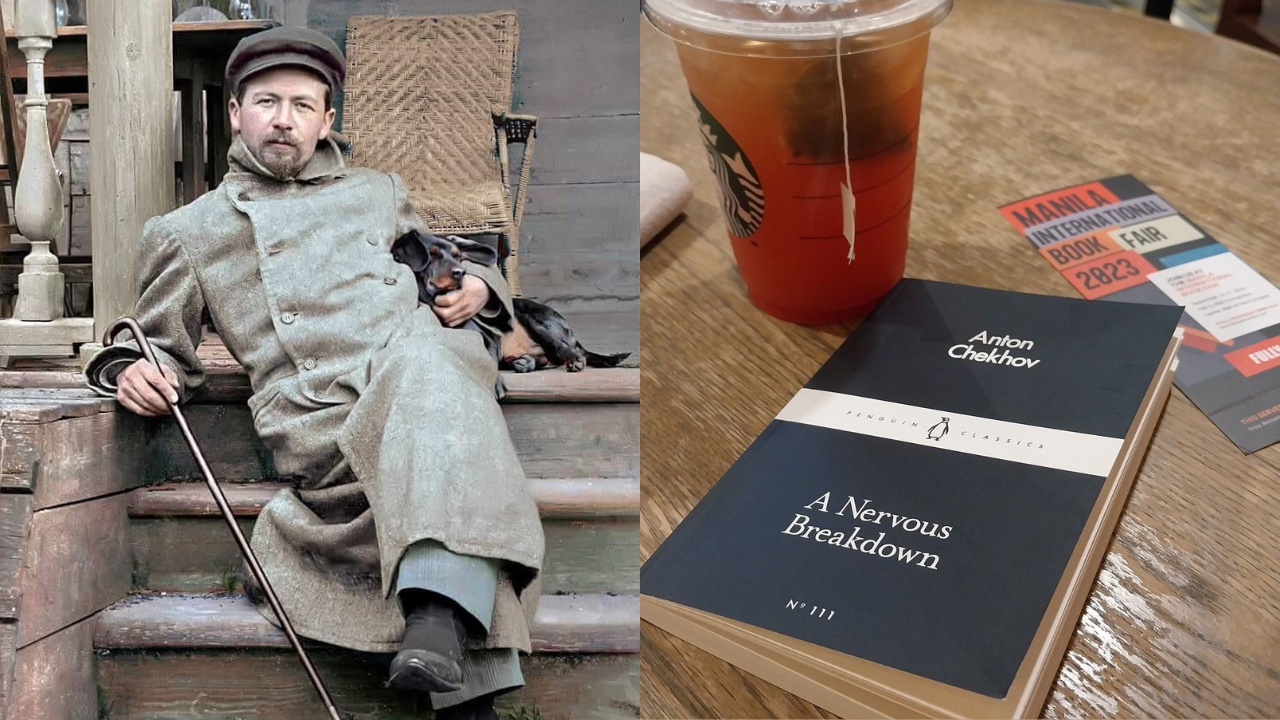
Anton Chekhov stories
Why Chekhov Feels Relevant Today?
So why is a 19th century Russian doctor suddenly everywhere in a Gen Z reading list, his lines stitched over sepia photos and slow piano audio, passed around quote pages and ‘quiet lit’ corners of the internet? Partly it’s the sentences themselves, short, plain, devastating, endlessly quotable: “Any idiot can face a crisis, it’s this day-to-day living that wears you out.” That line alone could have been written about burnout, dating apps, or a group chat that’s gone silent. Partly it’s also the timing. A generation raised on irony and short attention spans has developed a real hunger for the opposite: writing that sits with discomfort instead of resolving it, that trusts the reader to feel something without being told how. Chekhov never explains. He just shows you a train platform, a lonely dinner, a marriage gone quiet, and lets the ache do the rest. That restraint reads, to eyes trained on 15-second videos, as startlingly modern.
There’s also the loneliness. Chekhov wrote about isolation, disappointment, and the gap between the life you imagined and the one you’re living, themes that map almost too neatly onto a generation navigating economic anxiety, digital exhaustion, and the particular ache of feeling connected to everyone and close to no one. His characters are always almost happy and that ‘almost’ is very of-the-moment.
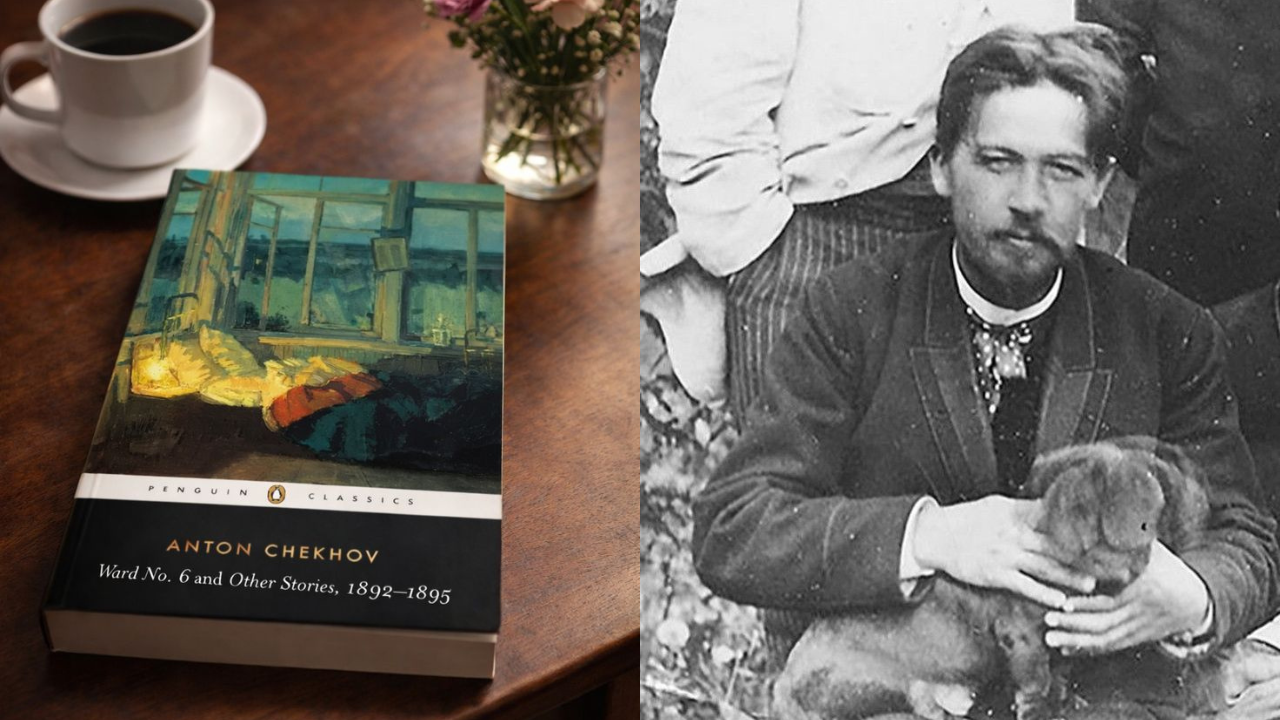
Anton Chekhov works
He died in 1904 of the tuberculosis he’d diagnosed in himself years earlier and kept treating other people’s illnesses instead of his own. Right up to the end he was working, plays, letters, a final joke to his doctor about a glass of champagne. It’s a very Chekhovian death: quiet, undramatic, over almost before you notice it happened. More than a century later, nobody has matched his ability to make an ordinary afternoon feel like the whole of human experience. That’s a mystery and mastery in one.
Read More: 5 Books On Freedom Shaping Gen Z’s Minds
Latest News


Simran covers books that start conversations, beauty insights, fashion moods, and stories that make people feel something. Off duty? You’ll find her c… View More
Original source: https://www.timesnownews.com/lifestyle