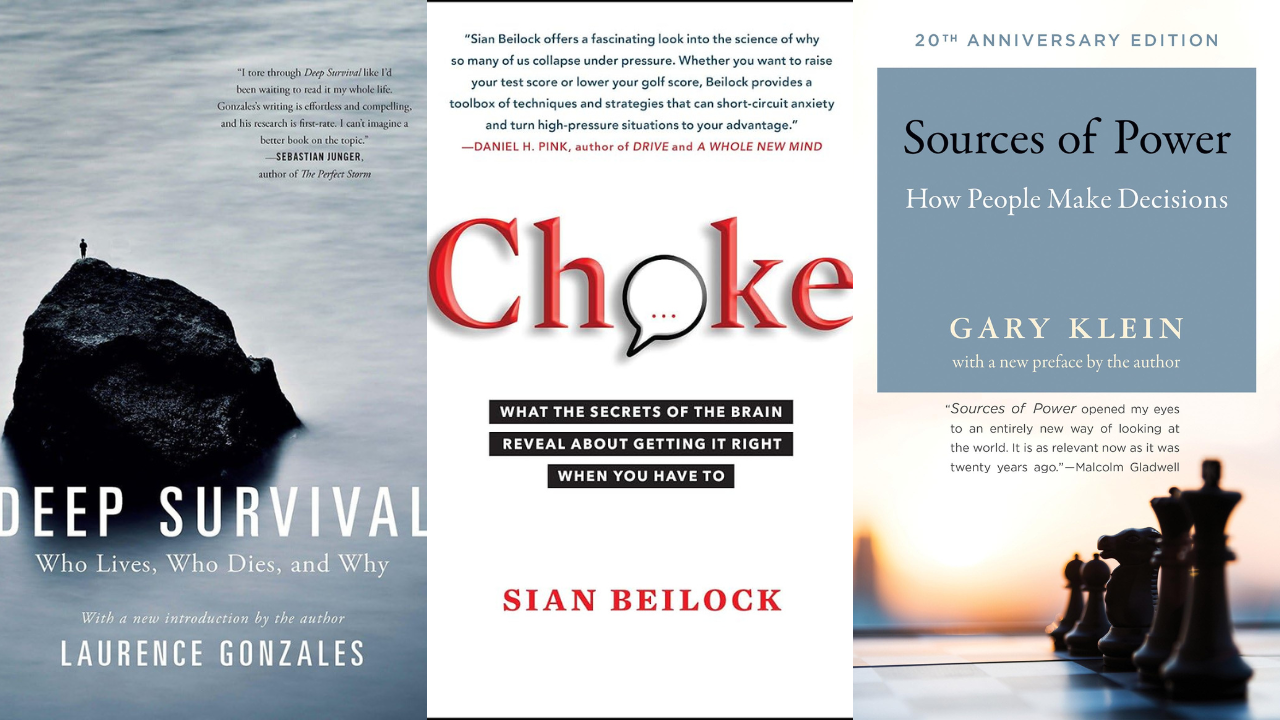
5 Self-Growth Books That Teach You How To Think Clearly Under Pressure
- Authored by: Girish Shukla
- Updated Aug 17, 2026, 19:00 IST
Pressure can derail even capable minds. Five powerful self-growth books reveal how people manage fear, avoid costly mistakes and make sharper decisions when the stakes suddenly become high.
5 Self-Growth Books That Help You Stay Calm When Everything Goes Wrong (Picture Credit – Pinterest)
Pressure has a strange way of shrinking the mind just when we need it to expand. A difficult meeting, an emergency, a career-defining decision or sudden danger can make intelligent people hesitate, panic or misjudge what is happening. Clear thinking under pressure is not simply a personality trait. It can be understood, practised and strengthened. These five books approach that challenge through psychology, neuroscience, disaster research and the experiences of people whose decisions genuinely carried consequences.
1. The Unthinkable by Amanda Ripley
Amanda Ripley begins with a compelling question: what actually happens inside us when catastrophe arrives? Drawing on survivors of disasters including fires, crashes and terrorist attacks, she traces the psychological journey through denial, deliberation and decisive action. The book dismantles the comforting assumption that people naturally rise to emergencies. Often, they freeze or misunderstand danger first. What makes ‘The Unthinkable’ valuable for everyday life is its argument that better responses can be prepared before pressure ever arrives.
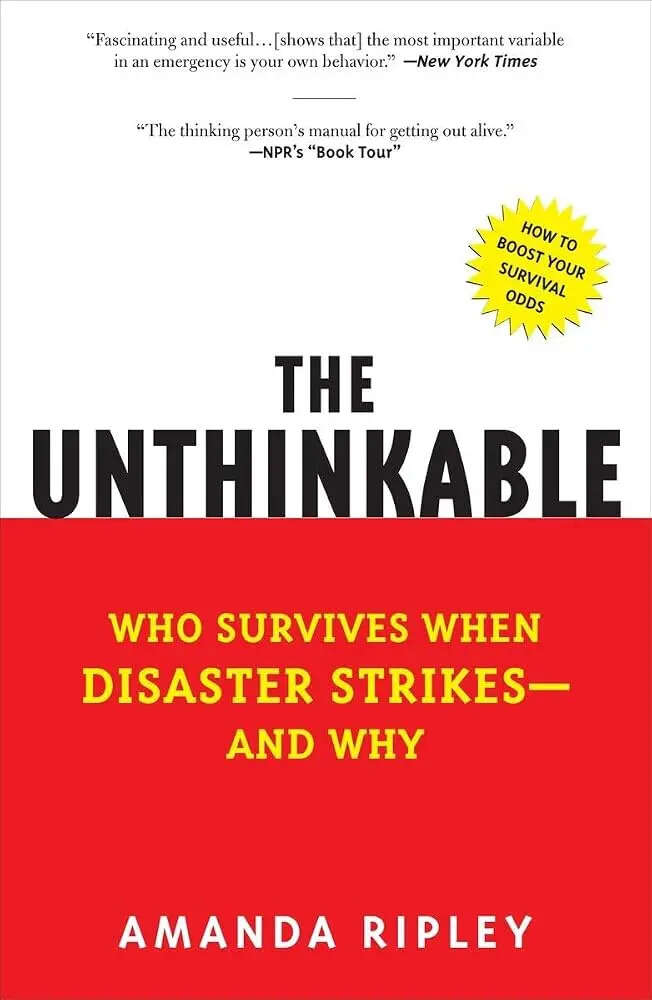
The Unthinkable (Picture Credit – Amazon)
2. Choke by Sian Beilock
Few experiences are more frustrating than knowing you are capable of something and failing precisely when it matters most. Cognitive scientist Sian Beilock investigates why pressure can sabotage expertise, whether during an examination, a sporting contest, a presentation, or an important conversation. Her research shows how anxiety can consume the working memory needed for complex tasks, while excessive self-monitoring can disrupt skills that normally feel automatic. Choke is reassuring because poor performance under pressure is neither mysterious nor necessarily permanent.
3. Sources of Power by Gary Klein
Gary Klein went looking for decision-making where mistakes carry consequences, studying firefighters, military personnel, nurses and other professionals working under severe constraints. His research challenged the idea that good decisions always emerge from comparing several options methodically. Experienced people often recognise patterns, mentally simulate what might happen next and act quickly. ‘Sources of Power’ is especially useful because it treats intuition neither as magic nor recklessness. It shows how expertise creates judgement when exhaustive analysis is impossible.
4. Performing Under Pressure by Hendrie Weisinger and J. P. Pawliw-Fry
Hendrie Weisinger and J. P. Pawliw-Fry make an important distinction between stress and pressure. Stress can come from having too much to do, while pressure arises when we believe the outcome of a particular moment truly matters. That distinction allows them to examine why high stakes distort performance and what people can do about it. ‘Performing Under Pressure’ combines research with practical strategies for handling consequential moments without allowing their perceived importance to overwhelm the abilities required to succeed.

Performing Under Pressure (Picture Credit – Amazon)
5. Deep Survival by Laurence Gonzales
Laurence Gonzales examines survival through stories of people confronted by mountains, oceans, wilderness and sudden catastrophe. Yet ‘Deep Survival’ is less a manual for adventurers than an investigation into the mind under extreme pressure. Gonzales asks why experienced people sometimes make fatal decisions while seemingly unlikely survivors adapt. His answer involves emotion, perception, mental models and humility. The broader lesson is powerful: survival often depends on recognising reality quickly enough to abandon the story you expected reality to follow.
Taken together, these books make a useful correction to the mythology of pressure. Calm people are not necessarily fearless, and decisive people are not simply born with stronger nerves. Good judgement often comes from preparation, experience, self-awareness and an ability to recognise when emotion is distorting reality. The takeaway is surprisingly hopeful: thinking clearly when everything feels urgent is a skill rather than a gift. You may never control the pressure, but you can change your response to it.
Latest News


Seasoned Editor and Author with over a decade of experience in literary journalism, author interviews, and publishing trends. Known for curating impac… View More
Original source: https://www.timesnownews.com/lifestyle