Rakhi Gets An Eco-Chic Upgrade: All The Sustainable Styles Taking Over This Season
- Authored by: Akanksha Arora
- Updated Aug 19, 2026, 11:36 IST
Sustainable rakhis are moving beyond one-day festivities, with wearable, reusable and plantable designs that bring together style, tradition and a little more love for the planet.
Sustainable rakhi. (Image: Pinterest)
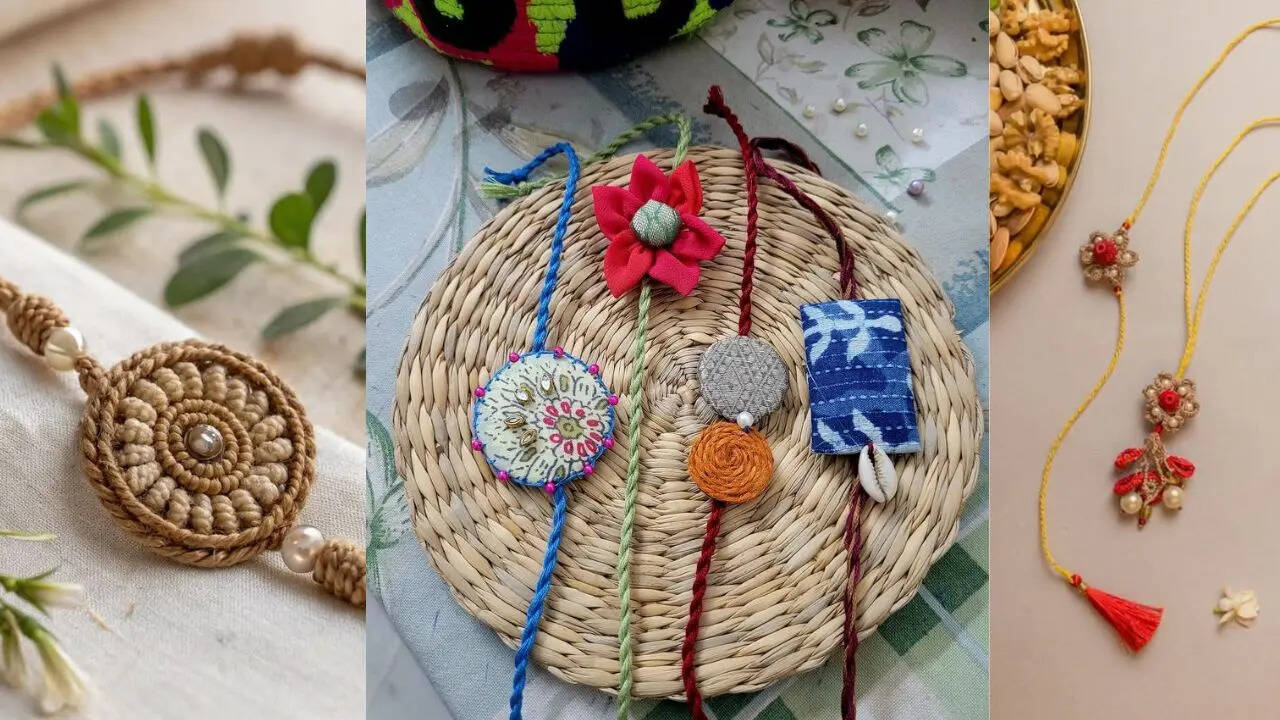
Rakhi shopping used to mean scrolling through the same shiny, sequinned threads every year, the type that could be worn for a day or two and then land in the back of a drawer. Not anymore now. This season, rakhis are having a proper style moment and the trend is leaning green! Think jute, cotton, khadi, clay, wood, seeds and even recycled paper, all reworked into pieces that look more like jewellery than festival throwaways. The best part? Many of these are good-looking enough to wear again as bracelets, keep as desk decor or even plant in a pot once Raksha Bandhan is done.
Why Sustainable Rakhis Are Everywhere?Fashion has been having a slow, steady love affair with sustainability for a while now and festive accessories are the latest to catch on. Designers and small home-grown brands are swapping plastic beads and synthetic threads for natural materials that actually biodegrade. Jute rakhis, woven tight and finished with wooden charms, have a raw, earthy look that pairs surprisingly well with everything from ethnic wear to plain white kurtas. Khadi threads, on the other hand, are soft and slightly textured. These are being twisted into minimal, single-strand designs that feel more like an everyday bracelet than “festival accessory.”
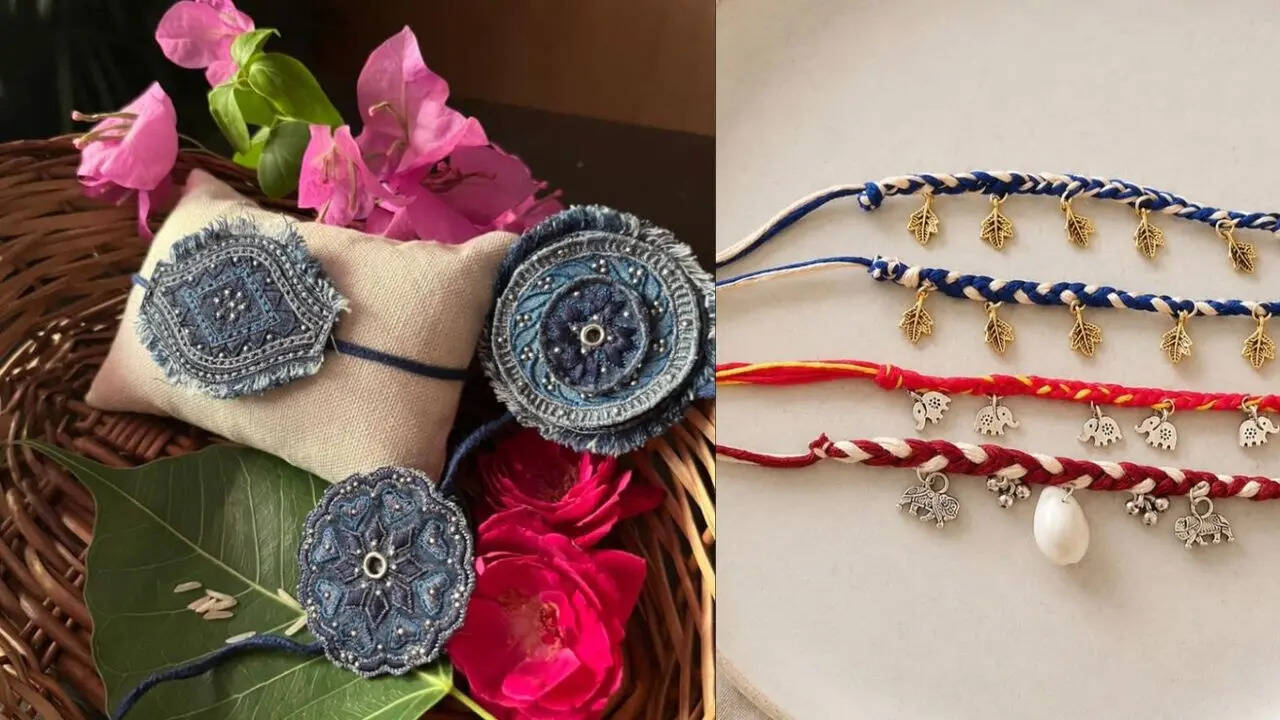
Sustainable rakhi. (Image: Pinterest)
Cotton is also getting a glow-up! Instead of the usual mauli thread, brands are using dyed cotton cords in mustard, rust and sage green, tied with tiny brass or clay beads. They sit close to the wrist as there are no bulky motifs, no glitter. They are just clean and wearable.
Fabric scraps are also having their own revolution. Upcycled cloth, leftover pieces from old sarees, are being braided or knotted into rakhis with a boho and patchwork feel. Every piece ends up being slightly different, which makes them feel more special than a mass-produced one. There is also something nice about a rakhi made from a strip of an old dupatta, it carries a bit of story with it.
Beyond Your Usual Thread: Clay, Wood And Seeds Join The Party
The real fun this year is happening beyond thread. Clay rakhis, hand-shaped and sun-dried, are showing up as tiny discs and beads painted in warm tones. They have a handmade, pottery-studio charm that feels fresh, next to the usual festive shine. Wooden rakhis are following a similar path by being carved into simple geometric shapes or little charms like leaves, moons and suns. Then there are the seed rakhis, probably the most talked-about pick this season. Made using tulsi, neem or flower seeds embedded in biodegradable paper or fabric, these rakhis can literally be planted in soil after the festival, and with a bit of water and sunlight, they sprout.
Recycled paper rakhis round off the edit. These are made from pulped waste paper pressed into quirky shapes, sometimes paired with tiny fabric tassels or dried flowers. They are light, low-cost and surprisingly pretty – basically a proof that eco-friendly does not have to mean plain or boring.
What ties this whole trend together is a shift in mindset. People are starting to treat rakhis less like disposable festival props and more like small style statements, like pieces they actually want to look good, feel good about buying, and maybe even wear again after the day is over. Style aside, choosing a rakhi made from cotton, khadi, jute, clay, wood, seeds or recycled paper also means one less bit of plastic and glitter clogging up landfills.
So this Raksha Bandhan, the trend is clear: Go natural, go a little playful, and pick a rakhi that feels as good as it looks, on the wrist and on the planet!
Latest News


Senior Copy Editor at Times Network, Akanksha Arora covers Lifestyle, Culture and everything that falls under its big umbrella. When not writing, she … View More
Original source: https://www.timesnownews.com/lifestyle