Hope Cooke, The New Yorker Who Became Sikkim’s Last Queen
- Authored by: Namya Sinha
- Updated Aug 20, 2026, 20:48 IST
Hope Cooke arrived in Sikkim as a young socialite from New York and stepped into a world of Himalayan royalty, Buddhist traditions and political upheaval. Her marriage to the Chogyal would make her Sikkim’s last queen.
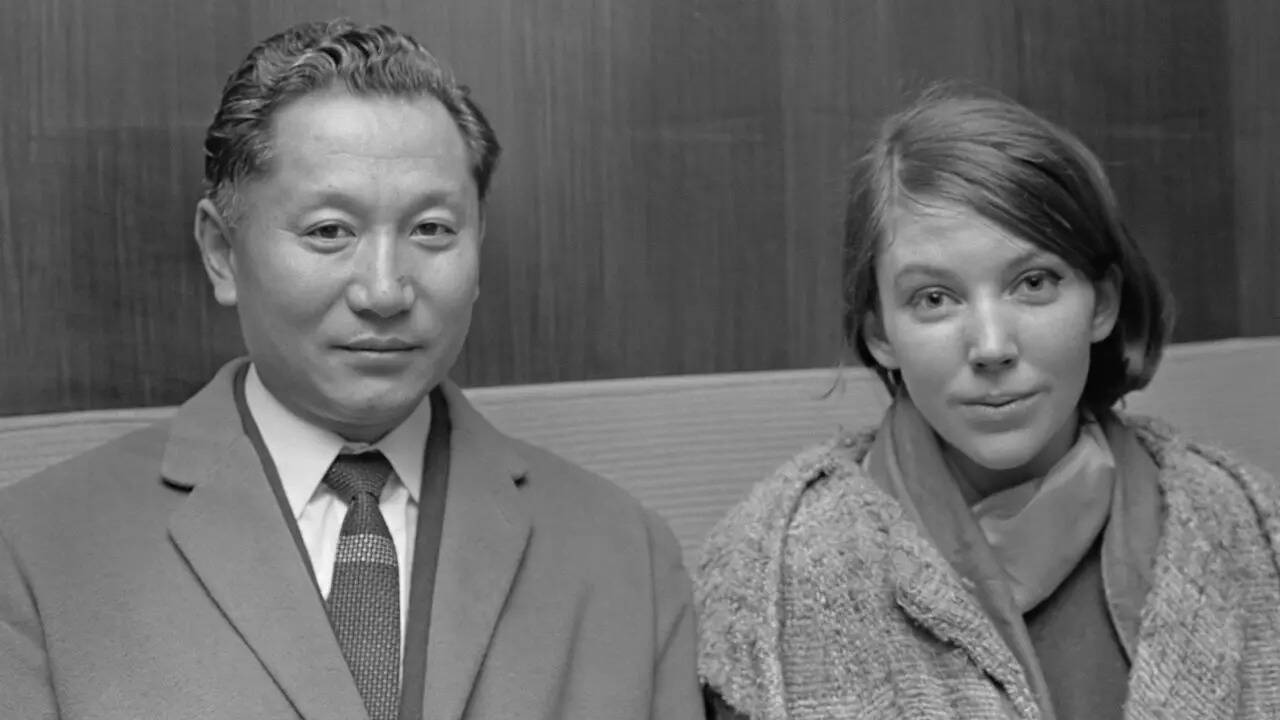
Chogyal Palden Thondup Namgyal and Gyalmo Hope Cooke of Sikkim, 1966. (Photo: Wikimedia Commons)
A New York socialite came to Sikkim, a tiny Himalayan kingdom, on a summer trip and fell in love with the future Chogyal, or Dharma King of Sikkim, Palden Thondup Namgyal. It was 1959, and the woman was 19-year-old Hope Cooke. Namgyal, who was a prince at the time, eventually proposed to her, and their engagement was announced in 1961. She would go on to become the second wife of the king, who was then 36, a widower and the father of three children from his earlier marriage.
According to the Albin Krebs, for New York Times in an article published in 1982, “The engagement was announced in 1961, but the wedding was put off for more than a year as astrologers in both Sikkim and India warned that 1962 was an inauspicious year for marriages. The couple were also made aware that the Indian Government disapproved of the marriage of the Prince, a Buddhist leader, to a foreigner, an Episcopalian. But the Prince brushed aside those objections.” In fact Hope who was raised Episcopalian didn’t convert to Buddhism.
The royal wedding ceremony took place on March 20, 1963, two years after their engagement. The ceremony was held at a Buddhist monastery in Gangtok, Sikkim, and was solemnised in the presence of 14 lamas. Members of other royal families and bureaucrats attended the wedding, along with John Kenneth Galbraith, then the Ambassador of the United States to India, who also joined the celebrations.
After Indian independence, Sikkim became a protectorate of the Government of India in 1950. It retained autonomy over its internal affairs, while its defence, communications and external relations came under the responsibility of India.
Since dual citizenship was not permitted, Hope renounced her American passport. In an interview with Shawn G. Kennedy for The New York Times, published in 1976, Hope said, “Giving up my passport was not an easy decision.” She added, “But Sikkimese law does not allow dual citizenship because of its size. They have been fearful that people would become citizens, buy land but not live there, not participate in the country’s activities.
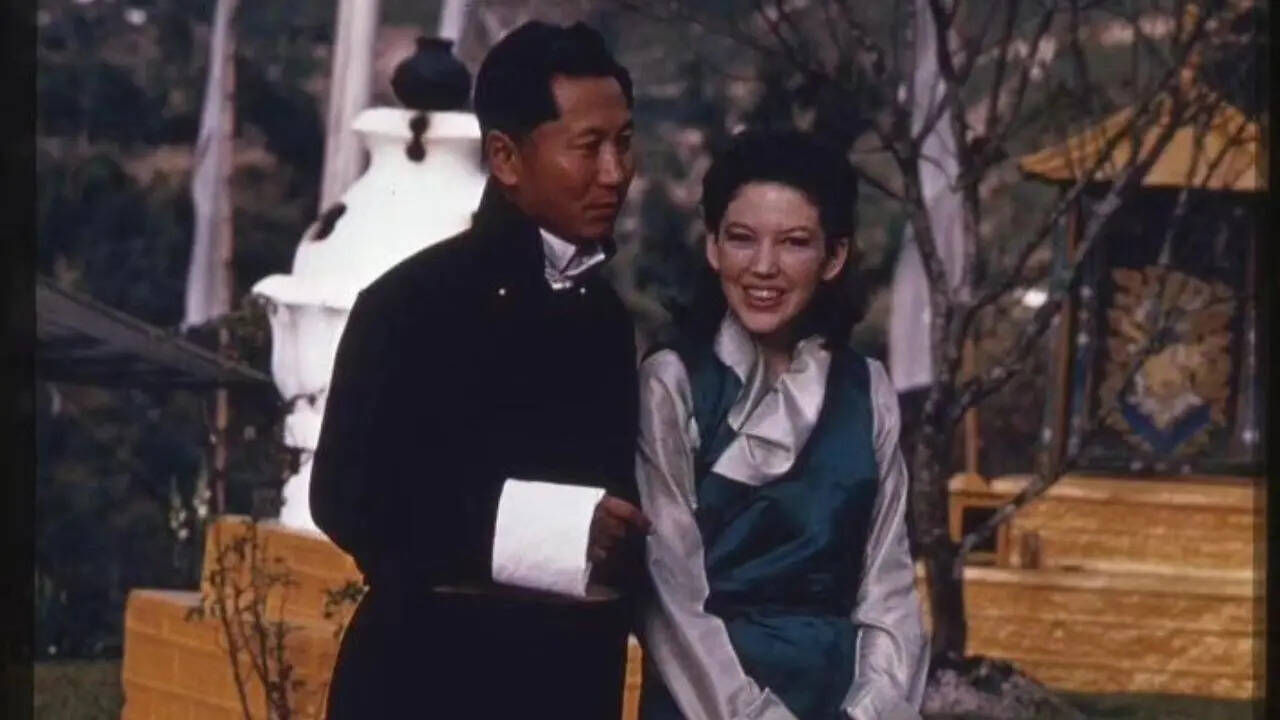
Palden Thondup Namgyal and Hope Cooke.
“And too, I felt that that act would reflect my interest, integrity and sincerity as an American and as a Sikkimese. I didn’t want my American education and ideals to be politically misconstrued as being the actions of an ‘American arm’ in the Himalayas.”
After his father, Sir Tashi Namgyal, died in 1964, Palden Thondup Namgyal became the Chogyal of Sikkim. However, the official ceremony recognising him as Chogyal and Hope as Gyalmo, or queen, was held only on April 4, 1965, after consultations with astrologers and Buddhist lamas. Hope became the first American-born woman to be crowned queen.
The couple had two children, but their marriage was not a happy one. By 1973, the situation in Sikkim was changing, with massive popular agitation against the absolute rule of the Chogyal. There were intense protests against the palace, along with an administrative breakdown.
Amid the turmoil, Hope left India with her children and settled in New York, while the Chogyal was placed under house arrest. In 1975, Sikkim became the 22nd state of India through the Constitution (36th Amendment) Act, and the monarchy was abolished.
The couple divorced in 1980. Her former husband died in 1982.
Latest News


Namya is a seasoned journalist with nearly two decades of experience. A graduate of Miranda House, Delhi University, and Boston University’s College o… View More
Original source: https://www.timesnownews.com/lifestyle