Mumbai’s Otters Club Loses Food Licence Over ‘Analogue Paneer’: What Exactly Is It?
- Authored by: Simran Sukhnani
- Updated Aug 20, 2026, 13:30 IST
Mumbai’s Otters Club has lost its food licence after Maharashtra FDA found analogue paneer during an inspection. Here’s what analogue paneer means and why regulators are cracking down.
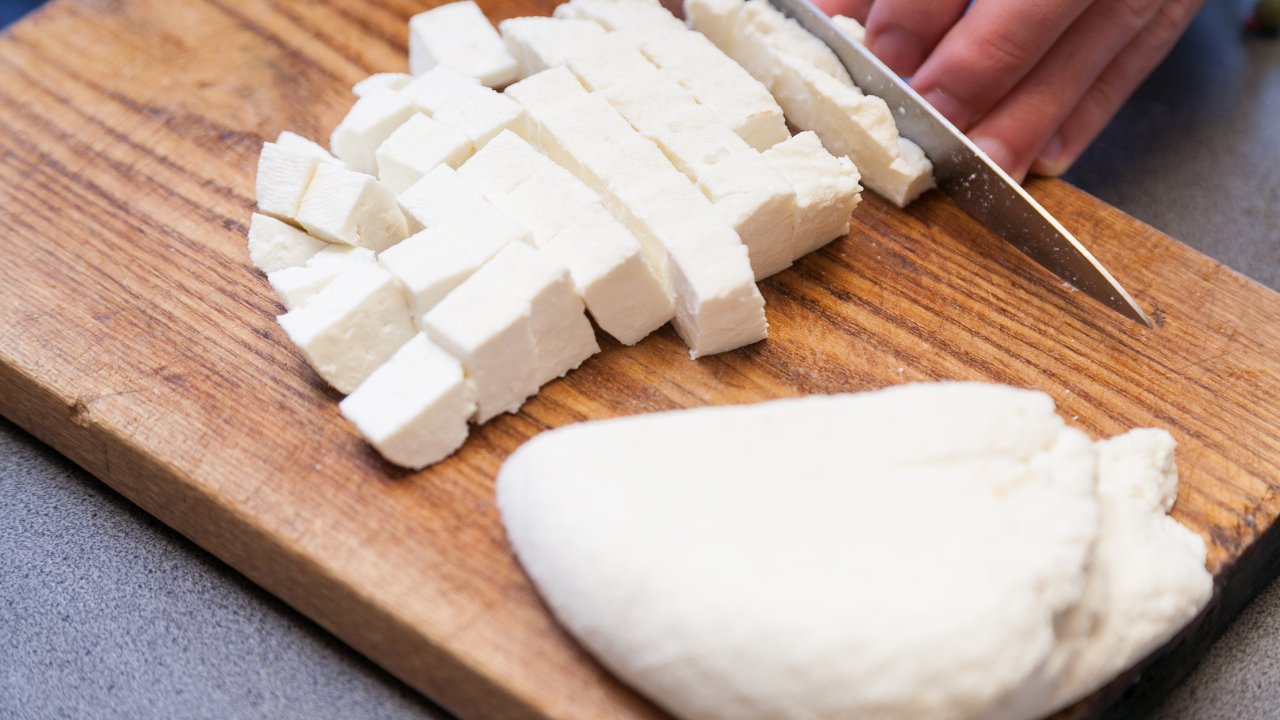
What is analogue paneer (Credits: Canva)
Mumbai’s food safety crackdown has now reached one of Bandra’s best-known social clubs. The Maharashtra Food and Drug Administration (FDA) has suspended the food licence of Otters Club after an inspection found a product labelled ‘Regular Paneer’ that the regulator identified as analogue paneer, along with several hygiene and food-safety lapses. The action was taken on August 18, and the club’s restaurant and bar operations were affected.
What Is The Latest Crackdown About?
The paneer finding is particularly significant because Maharashtra recently imposed a one-year ban on the manufacture, storage, distribution and sale of analogue or non-dairy paneer across the state. The order, issued by Food Safety Commissioner Tukaram Mundhe under the Food Safety and Standards Act, came into effect after being published in the state gazette on July 30. Hotels, restaurants, caterers and cloud kitchens have also been directed not to use the substitute in place of genuine paneer.
Unlike traditional paneer, which is a dairy product made by curdling milk, analogue paneer is a non-dairy substitute. It can use ingredients such as vegetable fats and other components to create a product with a texture and appearance similar to paneer. That distinction matters because consumers may reasonably assume that a dish described simply as ‘paneer’ contains the conventional dairy product. In Maharashtra, regulators have now specifically prohibited the manufacture, sale, storage, distribution and use of such non-dairy substitutes.
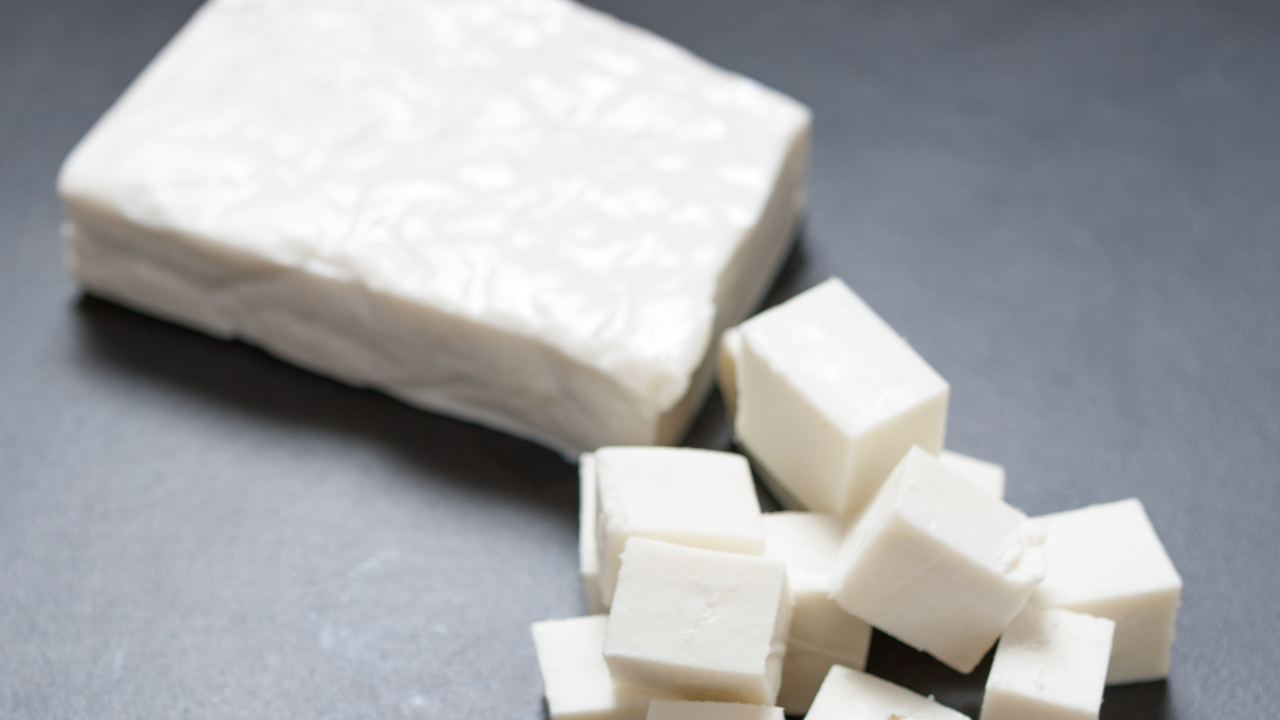
How to identify fresh paneer (Credits: Canva)
At Otters Club, FDA officials said they found a product supplied by Punjab Sind Dairy and labelled “Regular Paneer”, which they classified as analogue paneer or proprietary food. The regulator said the product was being used to prepare paneer dishes at the club. Officials also noted that they could not independently establish whether the stock found during inspection was actually being used at that moment.
The Issue Is Bigger Than Paneer
The FDA inspection reportedly found dirty and damaged flooring, a partially blocked drain and damaged refrigerator gaskets and linings. The refrigerator doors were not closing properly, creating the possibility of temperature fluctuations. The establishment also did not have records for Total Polar Compounds (TPC) testing of cooking oil, an important check used to monitor the quality of repeatedly heated frying oil. There were also reported shortcomings involving food-safety management, preventive maintenance and mandatory information displays.
The Otters club, however, has pushed back against the FDA’s action. Its management has said it was shocked by the suspension and claimed that the paneer it purchased was FSSAI-certified. According to the club, the packaging described the product as ‘proprietary paneer’ rather than analogue paneer, and it intends to appeal the FDA’s decision. The action against Otters Club is part of a much larger food-safety drive across Maharashtra. Between July 14 and August 17, the FDA inspected 65 food establishments, issued 50 improvement notices and suspended eight food-business licences.
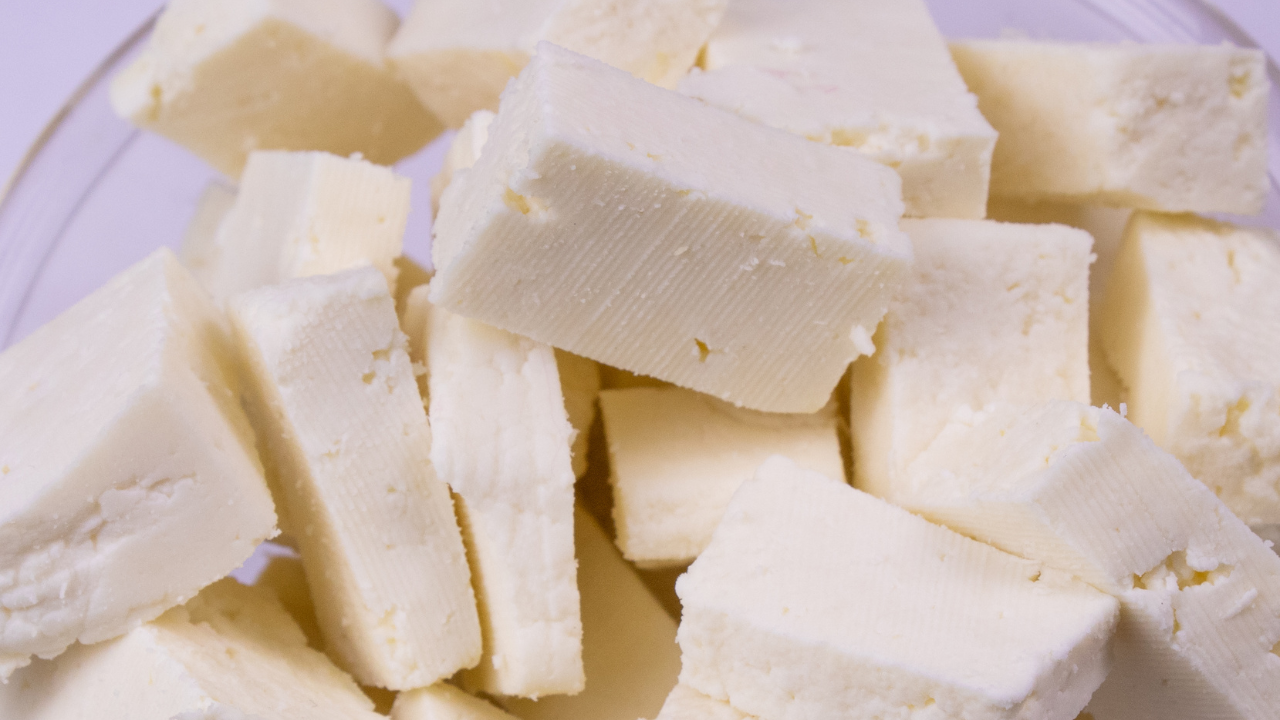
Panner Debacle at Otters Club, Mumbai
For consumers, the episode is a reminder that the word ‘paneer’ on a menu does not necessarily tell the whole story. With Maharashtra taking a particularly strict position on non-dairy paneer substitutes, what goes into that familiar-looking cube of ‘paneer’ is now under much closer scrutiny.
Latest News


Simran covers books that start conversations, beauty insights, fashion moods, and stories that make people feel something. Off duty? You’ll find her c… View More
Original source: https://www.timesnownews.com/lifestyle