Elon Musk Says Starlink Can Help India’s ‘Least Served’ Amid Fresh India Bid Reports
- Edited by: Priya Raghuvanshi
- Updated Aug 21, 2026, 08:25 IST
Elon Musk says Starlink could aid India’s least-served rural areas as the company reportedly reapplies for Gen 2 satellite approval.
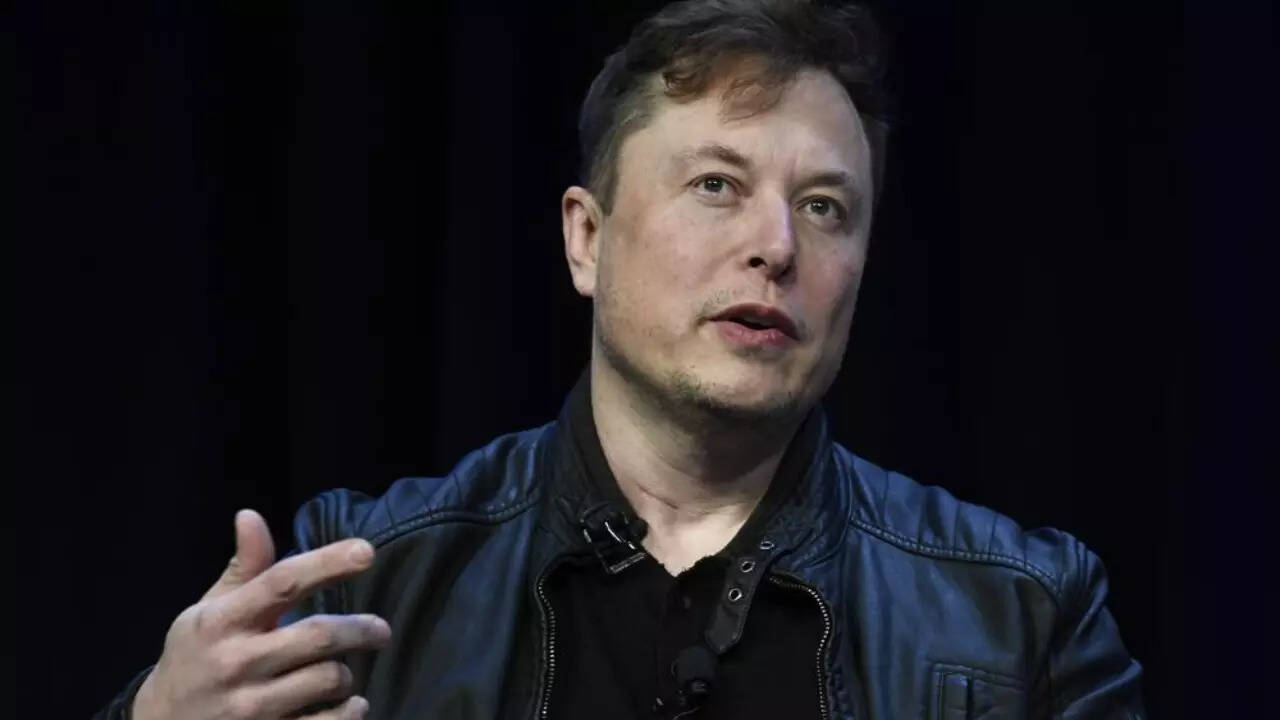
Elon Musk (File image)
Elon Musk has said Starlink could make the biggest difference in India’s “least served” regions, particularly rural areas, as the satellite internet company renews its efforts to secure regulatory approval for its next-generation network in the country. Musk’s remarks come amid a report that Starlink has reapplied to India’s space regulator for approval of its Gen 2 satellite constellation.
The fresh application reportedly seeks authorisation for nearly 30,000 satellites and includes direct-to-device (D2D) technology, potentially expanding Starlink’s ability to provide connectivity in areas where conventional mobile networks are unavailable or unreliable.
Musk’s comments put the spotlight on one of the biggest potential use cases for satellite connectivity in India: reaching communities that remain poorly served by traditional telecom infrastructure.
Starlink’s renewed regulatory push comes as India considers the wider use of satellite-based communication technologies, including services that can connect compatible mobile devices directly to satellites.
The company’s latest application has reportedly been submitted to the Indian National Space Promotion and Authorisation Centre (IN-SPACe), which is responsible for authorising space activities in the country. The development marks another attempt by Starlink to secure approval for its second-generation constellation after its earlier Gen 2 application faced regulatory objections.
Starlink Seeks Approval For Nearly 30,000 Satellites
According to the report, Starlink is seeking clearance for nearly 30,000 satellites for its Gen 2 network. The satellites are planned to operate in low Earth orbit, with the reported application covering an altitude range of around 340 km to 615 km.
SpaceX has previously sought approval for both its first- and second-generation constellations in India. However, IN-SPACe approved only the Gen 1 network, while the earlier Gen 2 application was rejected because certain proposed features and spectrum bands did not conform to Indian requirements.
Starlink’s Gen 1 constellation, comprising 4,408 low Earth orbit satellites, received approval in July 2025 and is intended to provide conventional satellite broadband services.
Latest News


She is working as a Chief Copy Editor at Times Now’s Business Desk, where she covers key developments in the stock market, Indian corporates across se… View More
Original source: https://www.timesnownews.com/business-economy