Who Is Doris Miller? US Aircraft Carrier Named After Pearl Harbor Hero Could Be Renamed for Trump
- Authored by: Samannay Biswas
- Updated Aug 21, 2026, 23:43 IST
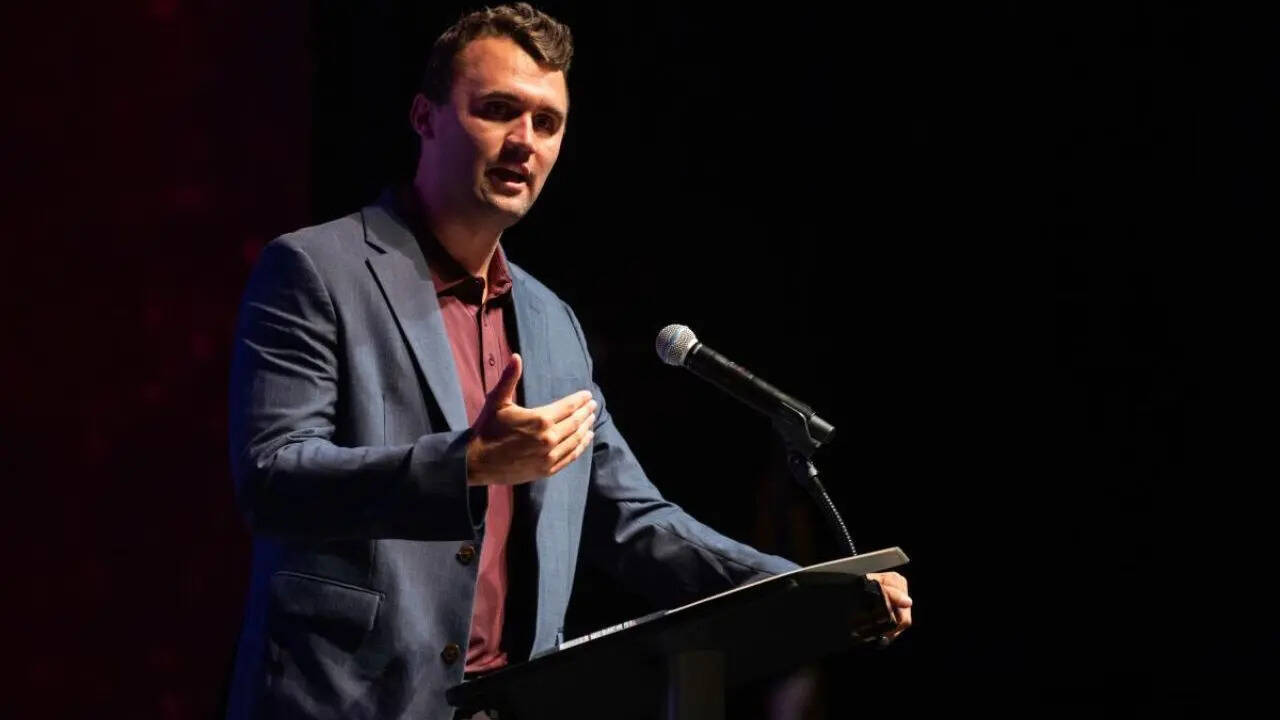
The US Navy’s consideration to rename the future USS Doris Miller aircraft carrier after Donald Trump has sparked criticism from lawmakers and veterans.
The Navy announced in January 2020 that a future Ford-class aircraft carrier would be named USS Doris Miller.
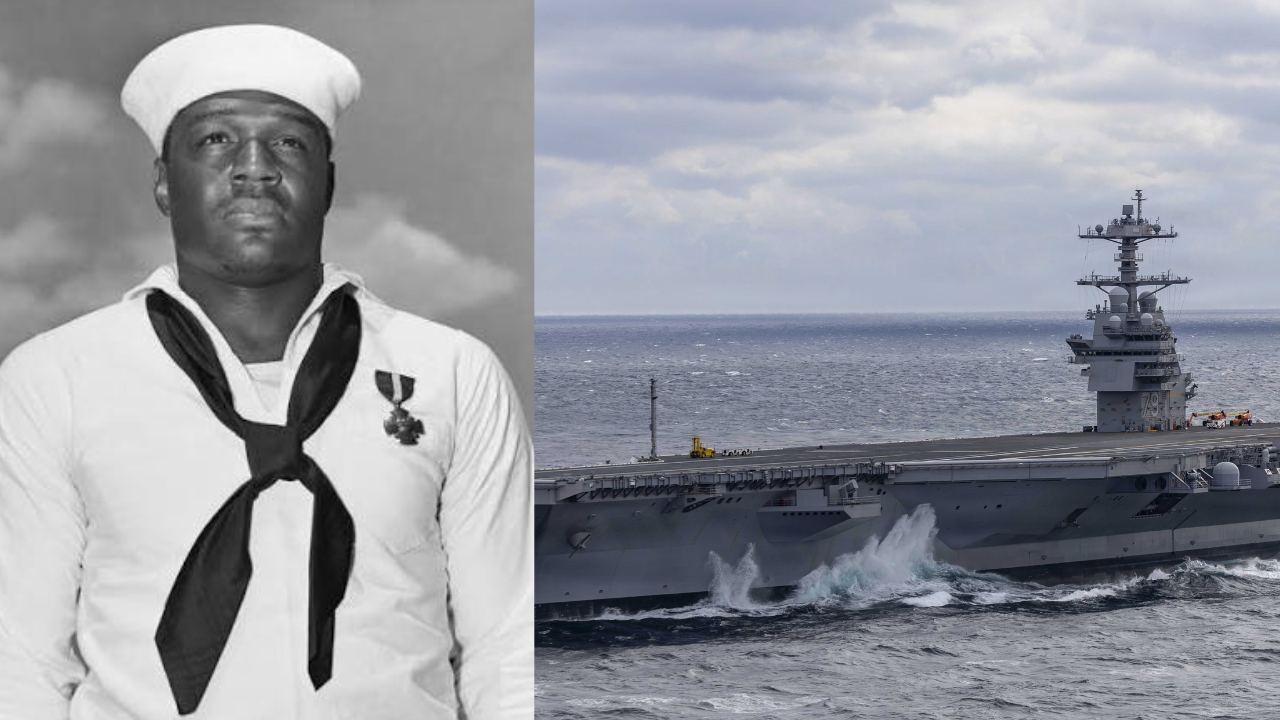
Reports that the US Navy is considering renaming the future USS Doris Miller aircraft carrier and potentially naming it after President Donald Trump have triggered criticism from lawmakers and veterans’ advocates, while bringing renewed attention to the extraordinary wartime service of Doris “Dorie” Miller, a Black enlisted sailor who became a hero during the attack on Pearl Harbor.
The Ford-class aircraft carrier, designated CVN-81, was named after Miller in 2020 during Trump’s first presidency. If the reported proposal goes ahead, it would reverse a historic decision that made Miller the first enlisted sailor and the first Black American to have a US aircraft carrier named in his honour.
The Pentagon has said it has nothing to announce regarding a possible change, while reports indicate that Navy officials are reviewing the vessel’s name.
Who was Doris Miller?
Doris Miller was born in Waco, Texas, in 1919 and joined the US Navy in 1939. At the time, the US military was segregated, and Black sailors were generally restricted to service positions rather than combat roles.
Miller served as a mess attendant aboard the battleship USS West Virginia.
His life changed on December 7, 1941, when Japan attacked Pearl Harbor.
According to US Navy accounts, Miller helped carry wounded sailors to safety after the USS West Virginia was struck by Japanese torpedoes and bombs. He also assisted his mortally wounded commanding officer before taking control of a .50-calibre anti-aircraft machine gun.
Although he had not been formally trained to operate the weapon, Miller fired at Japanese aircraft until he ran out of ammunition.
He then helped evacuate other sailors as the battleship was sinking.
Miller became a symbol of courage
Miller’s actions at Pearl Harbor made him one of the most recognised enlisted sailors of the Second World War.
In May 1942, Admiral Chester Nimitz presented Miller with the Navy Cross at Pearl Harbor. He became the first Black sailor to receive the Navy’s second-highest award for combat heroism at the time.
Miller continued serving in the Pacific.
He was killed in November 1943 when the escort carrier USS Liscome Bay was torpedoed during operations in the Pacific. He was 24.
Why was an aircraft carrier named after him?
The Navy announced in January 2020 that a future Ford-class aircraft carrier would be named USS Doris Miller.
The decision was historic. Miller became the first enlisted service member to have a US aircraft carrier named after him and the first Black American honoured in that way.
Navy officials said the decision recognised not only Miller’s heroism but also the contributions of generations of enlisted sailors.
The carrier is designated CVN-81 and is part of the Navy’s Ford-class nuclear-powered aircraft carrier programme.
Why could the ship be renamed after Trump?
The reported discussions are part of a broader review of Navy ship-naming policies under the Trump administration.
According to reports, Acting Navy Secretary Hung Cao has been examining existing guidance on naming warships, including the possibility of naming vessels after presidents.
Trump has reportedly emerged as a potential namesake for CVN-81.
Such a move would be highly unusual if carried out while Trump is still president. US aircraft carriers have traditionally been named after former presidents, major national figures and other prominent Americans rather than a sitting president.
The Pentagon has not confirmed that a decision to rename the ship has been made.
Critics oppose the reported change
The possibility of removing Miller’s name has drawn criticism from some lawmakers and veterans.
Arizona Senator Mark Kelly, a former Navy pilot, criticised the reported proposal, arguing that Miller’s heroism should continue to be honoured.
Miller’s family has also said it was not informed about the reported discussions.
Thomas Bledsoe, Miller’s great-nephew, told CNN that the family had been advocating for Miller to receive the Medal of Honor for years. He welcomed renewed efforts to pursue that recognition but said the family had not been consulted about a possible change to the carrier’s name.
A legacy larger than a ship
For many Americans, Miller’s significance extends beyond the name of a Navy vessel.
He served at a time when Black sailors faced institutional discrimination and were largely excluded from combat positions. Yet during one of the most consequential attacks in US military history, Miller stepped into a combat role despite lacking formal training.
His actions at Pearl Harbor became part of the broader story of Black Americans’ contributions to the US military and the eventual dismantling of segregation in the armed forces.
The future of CVN-81’s name remains uncertain. But any decision to replace Miller’s name with Trump’s would reopen a wider debate over military tradition, presidential honours and how the US chooses to commemorate its wartime heroes.
Latest News


Working as Copy Editor at the Business Desk of Times Now Digital. Dedicated towards crafting interesting financial stories. Previously covered financi… View More
Original source: https://www.timesnownews.com/world