
Meet The Author Who Made Domestic Life Feel More Dangerous Than War
- Authored by: Girish Shukla
- Updated Aug 22, 2026, 11:00 IST
Shirley Jackson transformed homes, marriages and neighbourhoods into landscapes of dread, revealing how fear can grow inside ordinary routines, family expectations and the places meant to keep us safe.
Meet The Author Who Turned The Family Home Into A Place Of Fear (Picture Credit – Erich Hartmann / Magnum)
Shirley Jackson understood something many writers spend entire careers trying to articulate: the home is not automatically a place of safety. It can also be where resentment ferments, where families become prisons, where neighbours turn into judges and where ordinary routines begin to feel sinister. Jackson’s fiction repeatedly takes domestic life, the most familiar territory imaginable, and strips away its comforting surface. What remains is not melodrama, but something colder and more recognisable. Fear, in her world, often lives at the dinner table.
A Writer Of Ordinary Dread
Born in 1916 in San Francisco, Jackson built a literary career around disturbances hidden inside apparently normal lives. She wrote novels, short stories and essays while raising four children with her husband, literary critic Stanley Edgar Hyman.
Her reputation rests partly on works such as ‘The Haunting of Hill House‘ and ‘We Have Always Lived in the Castle’, but Jackson’s real achievement was broader. She found horror in social behaviour itself. A smile could become threatening. A neighbourly conversation could carry menace. A family home could feel less like refuge and more like confinement.
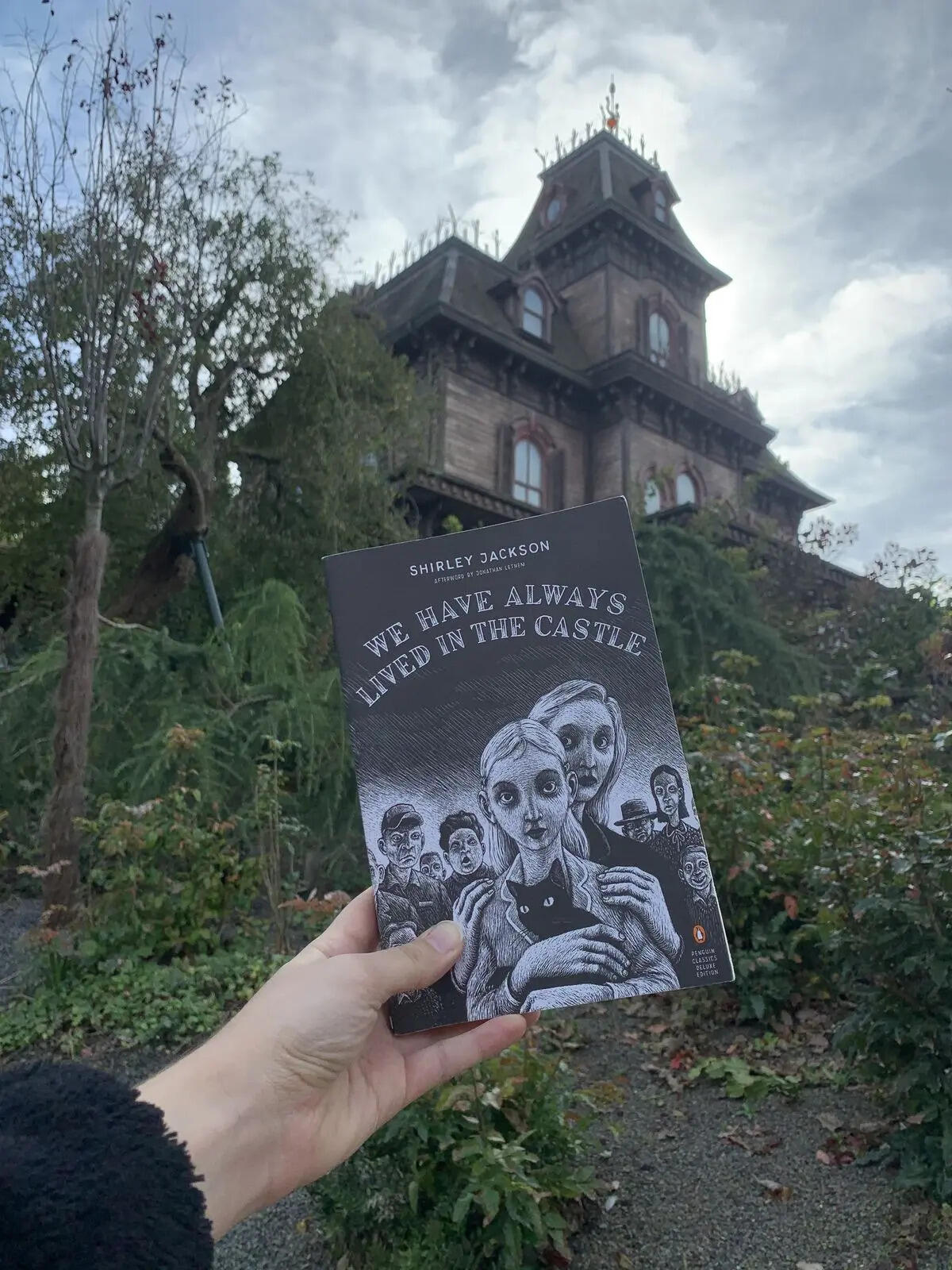
We Have Always Lived in The Castle (Picture Credit – Pinterest)
That ability made her different from writers who depended on monsters or spectacular violence. Jackson often needed only a room, a family and the possibility that somebody was not telling the truth.
When The Home Becomes Hostile
‘We Have Always Lived in the Castle’ is perhaps the clearest example of Jackson’s domestic imagination at work. Merricat Blackwood lives with her sister Constance and Uncle Julian in an isolated house after most of their family died from arsenic poisoning. The surviving household is already emotionally sealed off from the nearby village, which regards the Blackwoods with hostility and fascination.
Jackson turns the house into both sanctuary and trap. Merricat desperately wants to preserve its routines, yet those routines are shaped by trauma, secrecy and exclusion. The threat does not simply come from outside. It already exists inside the family’s history.
The result is unsettling because Jackson understands how easily love and possessiveness can begin to resemble one another.
Marriage Was Never Automatically Safe
Jackson’s interest in domestic unease also appears in ‘The Haunting of Hill House’, despite its supernatural reputation.
The novel follows Eleanor Vance, a woman whose life has been defined by years of caring for her mother and by a profound absence of independence. Hill House is frightening partly because Eleanor arrives emotionally vulnerable, hungry for belonging and susceptible to the promise of finally having somewhere to call her own.
The house seems to recognise that longing.
Jackson’s horror therefore works through emotional need rather than simple ghosts. Eleanor’s vulnerability has been produced by domestic life long before she reaches Hill House. The supernatural merely gives that damage a physical shape.
The Terror Of Being Watched
Jackson also understood the cruelty of communities. Her most famous short story, ‘The Lottery’, begins with villagers gathering for what appears to be an ordinary civic ritual. Children play. Neighbours talk. Families stand together. Only gradually does the nature of the tradition become clear. The horror comes from how normal everybody finds it.
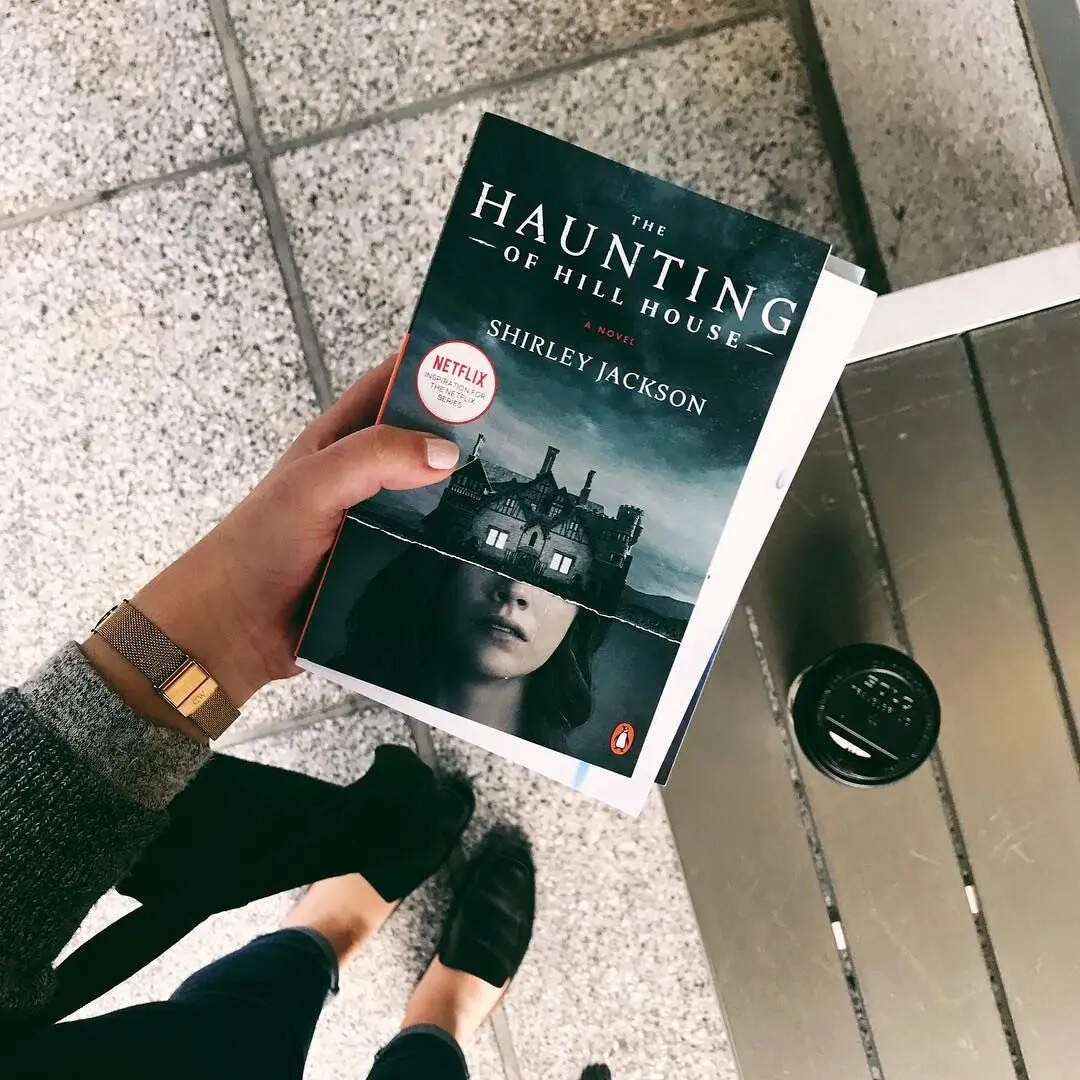
The Haunting of Hill House (Picture Credit – Pinterest)
That same instinct runs through much of Jackson’s work. Communities can enforce conformity with terrifying efficiency, particularly against women who are lonely, unconventional or simply unwilling to behave as expected. Domesticity, in Jackson’s fiction, is never separate from society. The home and the village constantly police one another.
Why Shirley Jackson Still Feels Modern
Jackson died in 1965, but her fiction feels startlingly contemporary because the fears she identified have not disappeared.
Readers still understand the pressure to perform happiness inside families. They understand toxic neighbours, difficult marriages, loneliness hidden behind routine and the strange terror of being judged by people who believe they know how life ought to be lived.
That is Jackson’s enduring gift. She did not need battlefields to write about danger. She recognised that some of the fiercest struggles happen in kitchens, bedrooms, drawing rooms and quiet streets.
Her fiction leaves behind an uncomfortable truth: the places that promise safety can become frightening precisely because we are expected to trust them.
Latest News


Seasoned Editor and Author with over a decade of experience in literary journalism, author interviews, and publishing trends. Known for curating impac… View More
Original source: https://www.timesnownews.com/lifestyle