The Dividend On Hold: What The Tata Sons Adjournment AGM Leaves Unfinished
- Edited by: Priya Raghuvanshi
- Updated Aug 19, 2026, 16:16 IST
Tata Sons’ AGM was adjourned for lack of quorum, leaving its dividend, accounts and chairman’s future unresolved amid a trustee dispute involving Tata’s charitable trusts.
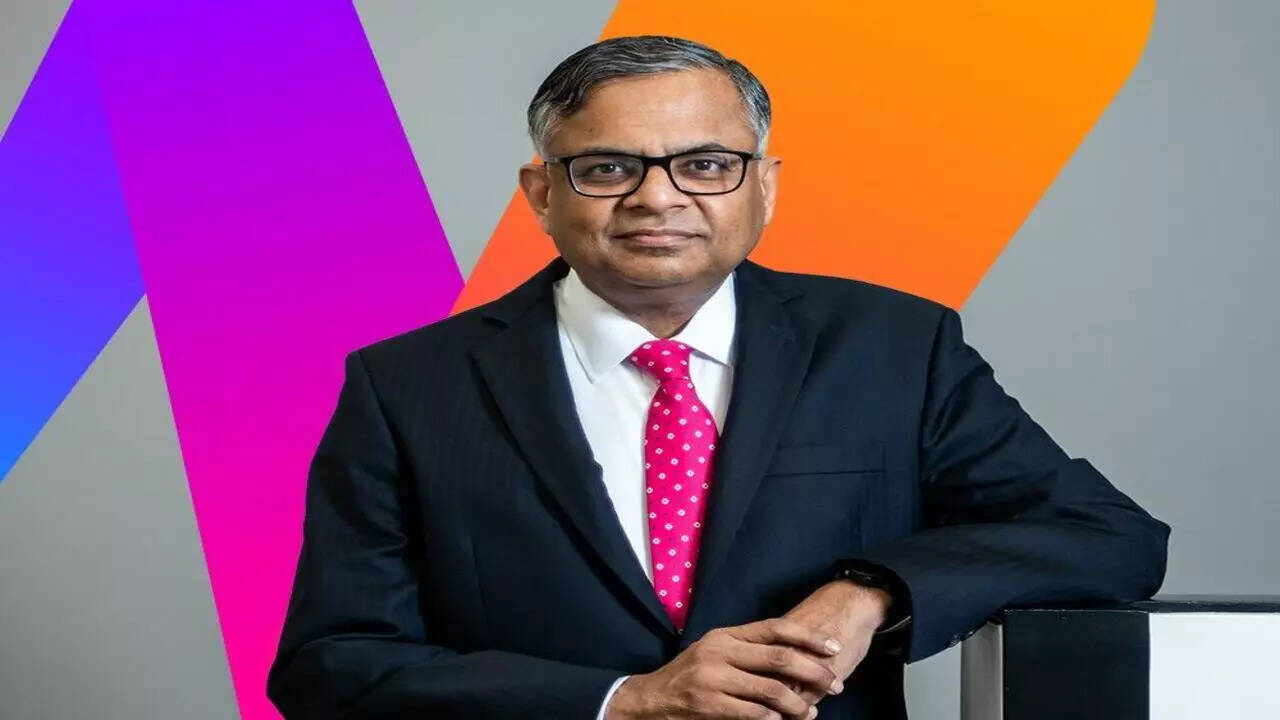
Tata Sons’ AGM was adjourned on Tuesday. (Courtesy: N Chandrasekaran LinkedIn)
On Tuesday, Tata Sons — the quiet holding company that sits atop a roughly $180-billion empire — opened its annual general meeting and then, almost immediately, closed it. Not because shareholders fought. Because too few of them were in the room. For the first time in more than a century, India’s most watched boardroom couldn’t muster a quorum.
The reason is procedural. Under Tata Sons’ own rulebook, its AGM needs a representative jointly nominated by the two big Tata trusts. One of them, the Sir Ratan Tata Trust, is currently under orders from the Maharashtra Charity Commissioner not to hold meetings or take major decisions while a dispute over its trustees is sorted out. No meeting, no nominee. No nominee, no quorum. One empty chair, and the whole room had to go home.
So What Actually Got Left On The Table?
Three things: the chairman’s future, the year’s accounts, and — the one that quietly matters most — the dividend.
Here’s why the dividend is the real headline. Tata Sons doesn’t live on its own dividend — it pays one so that others can. The two trusts at the centre of Tuesday’s no-show together own 51.5 per cent of the company (Sir Ratan 23.56 per cent, Sir Dorabji 27.98 per cent); the wider Tata Trusts hold close to two-thirds. That payout is their lifeblood — the money behind hospitals, scholarships, cancer care and rural programmes across the country. For FY26, the board has recommended a dividend of Rs 1.1 lakh a share — an outgo of about Rs 4,475 crore, of which the Trusts’ share works out to roughly Rs 2,950 crore. All of it now sits unwritten until a valid AGM can sign it off.
Let’s be fair about scale, though. This is not a business in trouble. Air India still flies, TCS still prints cash, the semiconductor bets in Dholera and Assam roll on. The money isn’t lost — it’s parked. The operating companies don’t need the AGM to keep running. What’s frozen is the plumbing at the very top: the formal, on-paper approvals a holding company needs to move money and confirm its own chairman.
And N Chandrasekaran? He isn’t going anywhere just yet. Having already said he won’t seek another term when his tenure ends next February — pointing, on record, to a lack of unanimity on the board about his reappointment — he now stays on as director by default, until a legally valid meeting can be held to decide otherwise.
The larger irony is the one worth sitting with. This is the house of Tata — a byword for governance, the group other boardrooms are told to imitate. And it was tripped not by a market crash or a hostile raider, but by two rulebooks it lives by colliding: a state charity law on one side, its own Articles of Association on the other. The system worked exactly as designed. That’s the problem.
For now, there’s no new date at least officially. Tata Sons hasn’t told shareholders when everyone reconvenes, and the fix — reshaping how the trust seats its trustees — is a legal knot, not a phone call. Until it’s untied, the dividend waits, the accounts wait, and the philanthropy that leans on both waits with them.
Quorum, it turns out, is just a fancy word for showing up. This week, Tata Sons couldn’t.
Latest News


She is working as a Chief Copy Editor at Times Now’s Business Desk, where she covers key developments in the stock market, Indian corporates across se… View More
Original source: https://www.timesnownews.com/business-economy