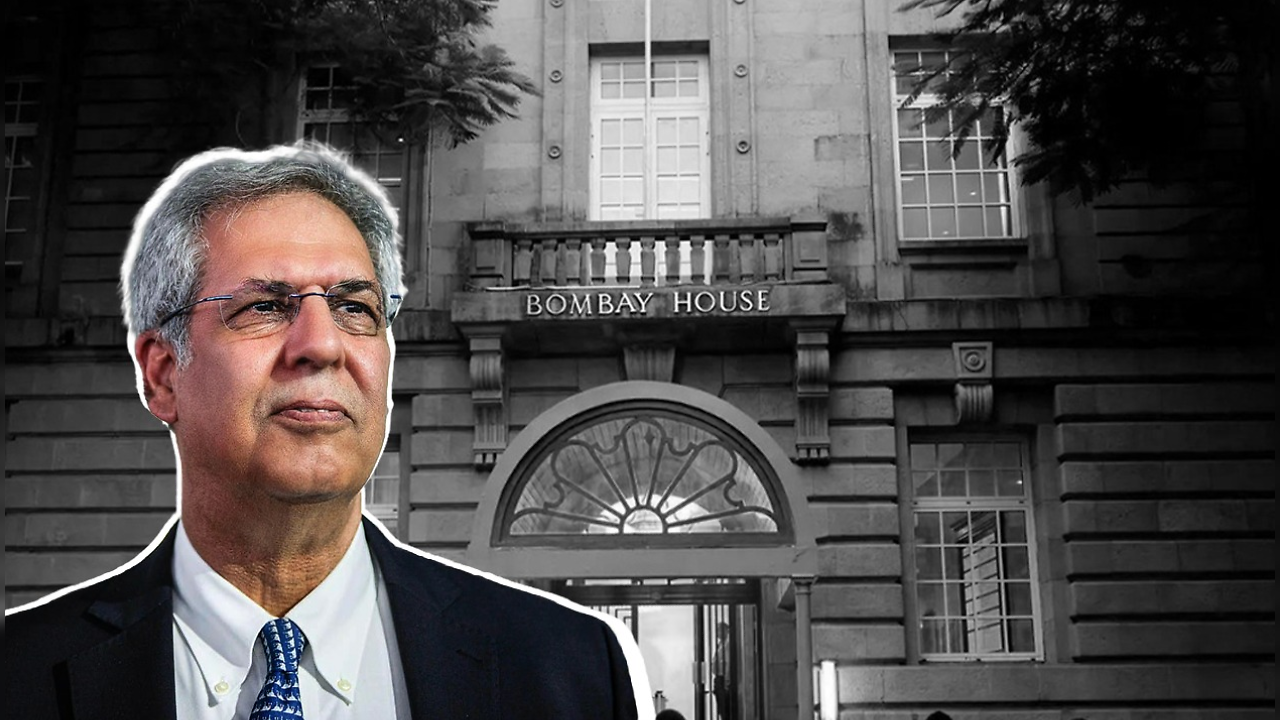
The leadership tussle at Tata Sons has evolved into a major corporate governance test, raising fundamental questions about the balance of power between professional managers and a company's controlling shareholders. At the centre of the dispute is N. Chandrasekaran, widely known as Chandra, whose continuation as chairman has drawn opposition from Noel Tata, chairman of Tata Trusts.
\n\nThe outcome could have implications far beyond the Tata Group, one of India's largest business conglomerates, with interests spanning information technology, automobiles, steel, aviation and consumer businesses. The group generates annual revenue equivalent to around 4% of India's gross domestic product (GDP), employs more than a million people and has 26 listed companies with a combined market capitalisation of approximately $260 billion, as per Bloomberg data.
\n\nThe wider implications for corporate India
\n\nThe consequences of the leadership battle could extend to other Indian businesses that rely on professional executives to manage companies on behalf of their owners.
\n\nIf Chandrasekaran remains in office against the wishes of Tata Trusts, it could raise questions about the extent to which a company's board and professional management can act independently of its controlling shareholder. Business owners could become more cautious about delegating operational authority if they believe…
Original source: https://www.timesnownews.com/business-economy