A Lucknowi Khansama Explains What Really Sets Yakhni Pulao, Biryani and Tehri Apart
- Authored by: Aalokitaa Basu
- Updated Aug 10, 2026, 12:40 IST
There’s actually a very defining line that sets apart, arguably the three greatest rice preparations in India’s culinary landscape.
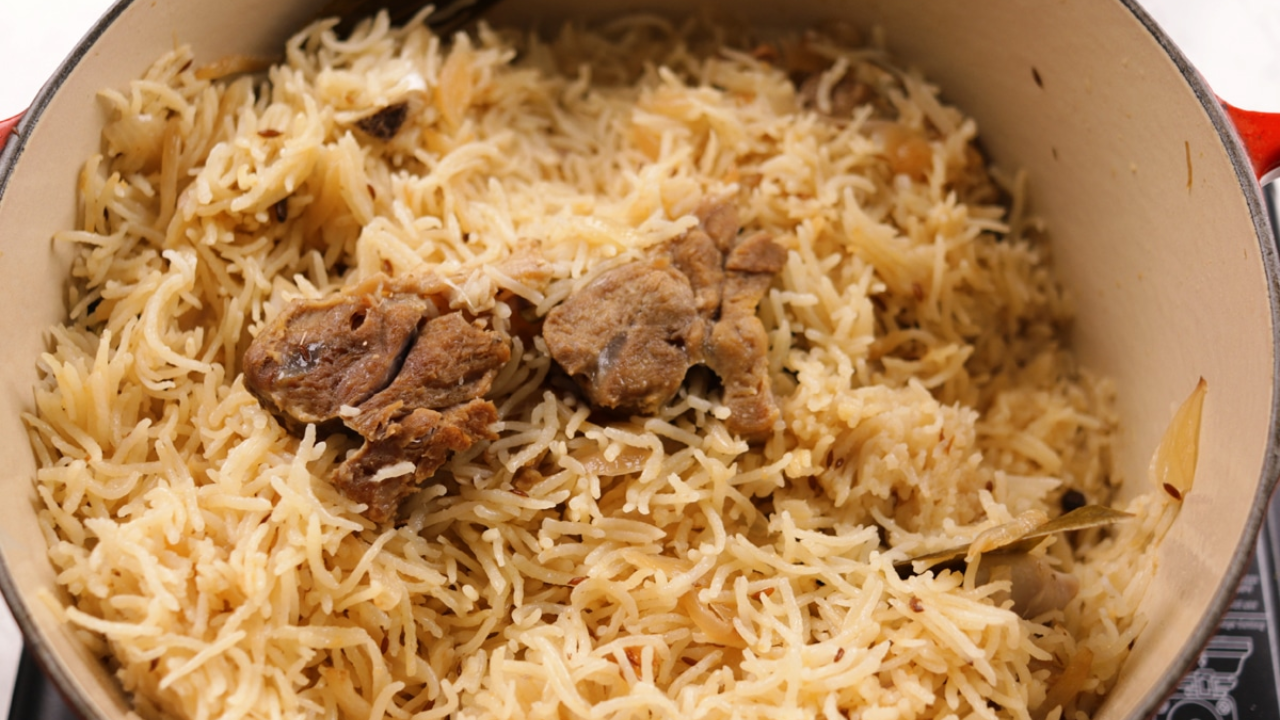
Authentic yakhni pulao looks nothing like you think (Credit: Headbanger’s Kitchen)
What if we told you there was no biryani in Lucknow at all?
We’re sure you’ve had biryani in the city of Nawabs if you’ve had a chance to personally witness its vibrant beauty. But it is in no way, ‘authentic’. You see, Lucknow houses pulao – not biryani, reveals travelling seeker Maroof Umar. In a sit-down chat with a Lucknowi khansama who has spent his life taking in the sights, sounds, flavours and traditions of the royally-rooted city, the two decoded what real and rustic Lucknowi Yakhni Pulao really entails.
You see in biryani, all of the spices are visible. But Lucknow’s delicacy lies in concealing things, not displaying them openly. The spice pouch that I tied, and added to this dish (yakhni pulao), all its delicacy is hidden within it. You will get the fragrance but you will not see a single spice. That is what Yakhni Pulao is.”
The khansama also drew a pretty fat line between what truly separates a yakhni pulao from tehri: “If the spices are visible, it is not yakhni pulao, it is tehri.” He also goes on to explain how yakhni pulao, an authentically Awadhi dish, carries no colour at all – the freshly prepared rice he pulls out is as white as plain rice and he promises this is exactly how his father and grandfather have been making it for generations.
Speaking of its roots, culinary history traces the yakhni pulao’s roots back to Persia. The core recipe – a mix of yakhni and pilaf – was believed to then travel east through Central Asia and Afghanistan, eventually reaching its final stop, the royal Mughal kitchens of India and additional regional hubs like Kashmir, Awadh and Rampur. Royal cooks over time, perfected the technique of tying whole spices in a potli to pack the meat stew with flavours without clouding the rice. Local tweaks and additions such as fennel and dry ginger added more character to the yakhni, eventually cementing the ingredient list and method for posterity.
If in the royal city of Nawabs, it’s almost a sin to pass through without treating your taste buds and senses to the authentic Awadhi yakhni pulao in the city. And some places honour this tradition more staunchly than others. Idress Biryani near the Patanala Police Chowki – open since 1968 – is believed to be a ‘gold-standard’ in this regard. The same goes for Lalla Biryani near the Chaupatiyan and the Indira Nagar’s The Biryani Wala.
When asked about why he keeps creating these old dishes, the khansama had a candid and heartfelt response: “If these dishes don’t remain alive, then the craft itself will disappear, they must be kept alive.”
Now we may not have generations worth of culinary expertise, but partaking in these vivid eating cultures is as important in keeping them thriving. After all, the passion of cooking is only worthwhile when there are enough mouths to truly appreciate the beauty and skill of it.
Latest News


Aalokitaa Basu is a writer and Senior Copy Editor whose work explores the intersection of lifestyle, culture, beauty, wellness, and self-possession. H… View More
Original source: https://www.timesnownews.com/lifestyle