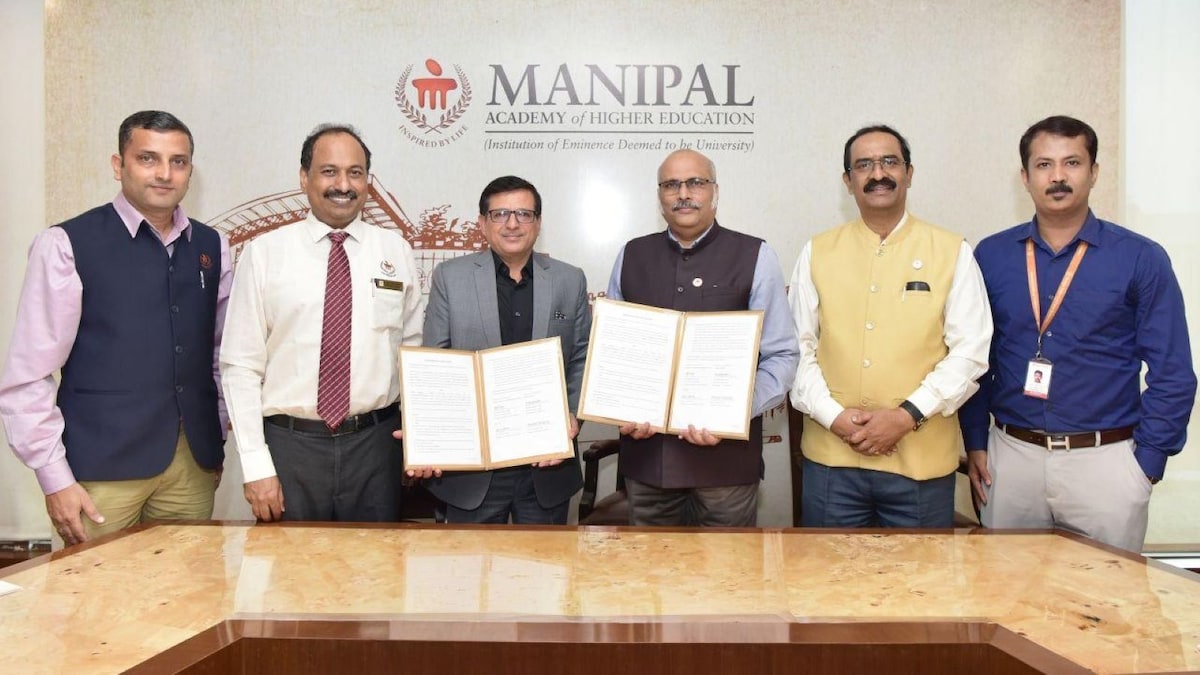
GHCL is backing Manipal’s new instrument to measure calories in fossil fuel
The solution will combine LIBS technology with AI and machine learning to enable rapid, on-site assessment of fuel quality.
The two organisations signed a Memorandum of Understanding (MoU) on August 7 to develop the system, which is aimed at providing faster fuel-quality information directly at the point of receipt.
How will the new system work?
The solution will combine LIBS technology with AI and machine learning to enable rapid, on-site assessment of fuel quality. The system aims to replace conventional, time-intensive fuel-testing methods with a data-driven solution that can provide immediate insights for operational decision-making.
Why is fuel quality important?
GHCL uses carbon-based fuels for energy generation and process heating, making fuel quality an important factor in its operations. Conventional fuel-quality testing relies on laboratory analysis, which can result in delays in taking corrective action.
The proposed system is intended to provide immediate insights into fuel quality, helping improve quality assurance, optimise fuel utilisation and enhance operational efficiency.
GHCL and MAHE collaboration
Mayuresh Hede, Operations Head, Sutrapada Plant, GHCL Limited, said the partnership reflects the company’s focus on adopting advanced technologies for operational efficiency and sustainability.
“By integrating real-time analytics into fuel quality management, we aim to strengthen process efficiency while reducing uncertainties associated with conventional testing methods. We believe this initiative has the potential to set new benchmarks for quality assurance in industrial operations,” Hede added.
Commenting on the collaboration, Dr Sharath K Rao, Vice Chancellor, MAHE, said the project shows how academic research can address industrial challenges.
“By combining LIBS technology with artificial intelligence and machine learning, we are developing an innovative solution with significant scientific and commercial potential,” he said, adding that it also supports research across energy-intensive sectors.
The project is being led by Dr Unnikrishnan V K of the Manipal Institute of Applied Physics as Principal Investigator.
Original source: https://www.cnbctv18.com/technology/